Does the Canon G7 X Mark III Live Up to the Hype in 2026?
The compact that launched a thousand vlogs is now a 2019 camera selling at 2026 prices. Here is who should still buy it, who should not, and what the alternatives actually get you.
Short answer: partly. The Canon PowerShot G7 X Mark III lives up to the hype as a pocketable vlogging camera with a genuinely bright zoom lens. It does not live up to the hype as a brand-new design, because it isn’t one. Canon introduced it in 2019, and the core sensor, lens, and video specs in today’s listings are the same ones from that launch.
That gap between reputation and reality is the whole story. The G7 X III became the default “creator compact” because it was early to the formula: small body, flip-up screen, mic jack, decent 4K. Years later the formula is everywhere, and several cameras do it better for less. Its hardware didn’t change. The market moved.
In our catalog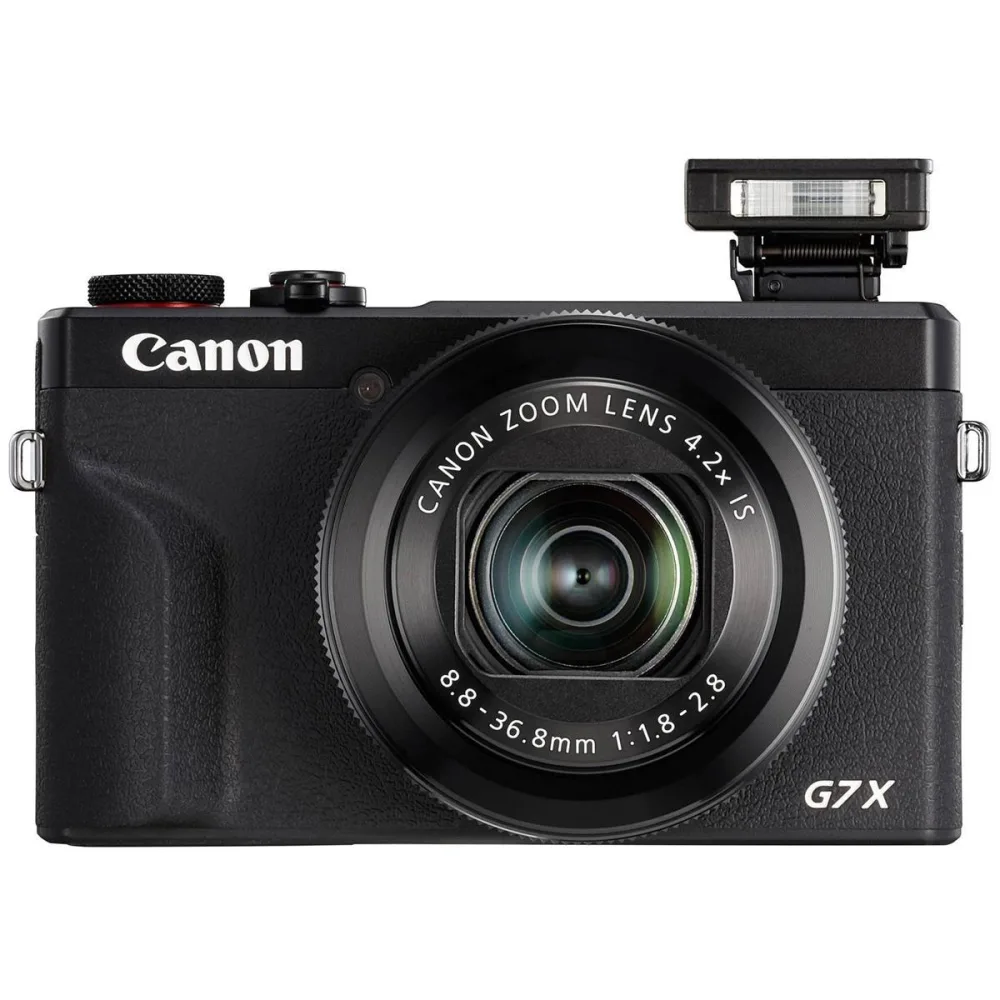 Canon · 1-inch · CompactCanon PowerShot G7 X Mark III$1,030See price comparison →
What the G7 X Mark III still gets right
The lens is the reason to care. A bright zoom lens with a useful wide-to-telephoto range is a lot of flexibility in a body this small, and the wide end is useful for handheld self-recording while the long end handles portraits and travel details. Stabilization helps at the telephoto end. There is a microphone input, HDMI output, USB charging, and a screen that tilts 180 degrees for front-facing work. Video tops out at 4K/30p uncropped, with Full HD up to 120p for slow motion.
For someone who wants one small camera that zooms, takes a mic, and flips forward, that package still makes sense.
Where the hype outruns the camera
Autofocus is the weak point, and it is not a small one. The G7 X III uses a contrast-based system without phase detection, which is less dependable than the hybrid autofocus in newer Sony and Fujifilm models when faces, eyes, or moving subjects are involved. The camera’s fast burst rates do not translate to modern tracking performance.
There is no electronic viewfinder, so you’ll compose using the rear screen. There is no 4K/60p. The 1-inch sensor can outperform many phones, particularly in low light, but it is smaller than the APS-C sensors in some current premium compacts. And at this point in its life, availability-driven pricing is the biggest problem of all: the same 2019 hardware can list well above what it launched at.
How we would think about the price
The G7 X Mark III originally launched at a mid-range price for a premium compact, and its official reference pricing has sat higher since. Marketplace listings vary widely, and new, warrantied units from reputable sellers can appear at different points in that range. Our view: near the lower end of the current street range it is a fair buy. Well above it, you are paying a scarcity premium for old silicon, and that is hard to defend when newer alternatives exist at similar money. Check the live cross-retailer price before you commit, because this is exactly the model where sellers drift.
See the best price →
If you want the same idea, newer
These are the alternatives we would actually weigh, and each trades something away.
Best compact alternative for vlogging: Sony ZV-1 II
The closest like-for-like creator compact. Its 18-50mm equivalent lens is noticeably wider than the Canon’s wide end, which helps at arm’s length and indoors. The trade-off is a much shorter zoom, so it is less useful for portraits and distant subjects. Pricing varies by retailer and promotion.
In our catalog Sony · 1-inch · CompactSony ZV-1 IIfrom $697See price comparison →
Best compact alternative for reach and autofocus: Sony RX100 VII
If you want a compact zoom with an electronic viewfinder and stronger autofocus, this is the direct upgrade path. Its 24-200mm equivalent lens offers much more reach than the Canon, and the pop-up EVF solves the bright-sun framing problem. The costs are a slower f/2.8-4.5 aperture, a higher price, and ergonomics aimed less at front-facing video. Pricing varies by retailer and promotion.
In our catalog Sony · 1-inch · CompactSony RX100 VIIfrom $1,250See price comparison →
Best step up in image quality: Fujifilm X100VI
Not a pocket-zoom competitor, but a more capable stills-focused camera for many shooters: a 40.2MP APS-C sensor, a fixed 35mm equivalent f/2 lens, in-body stabilization, and a hybrid viewfinder. It is larger, more expensive, and has no zoom, so it is the wrong answer if a small all-purpose zoom is the requirement. Pricing varies by retailer and promotion, and availability can fluctuate.
In our catalog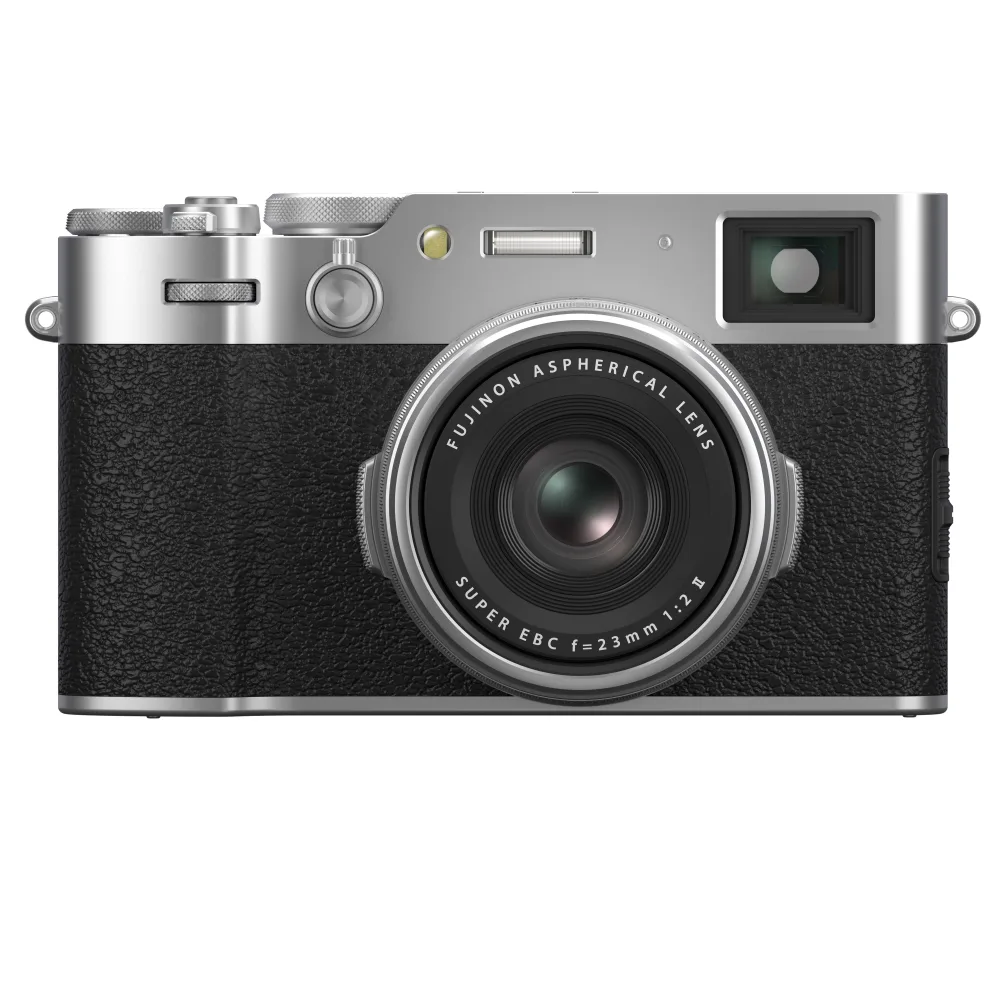 Fujifilm · APS-C · CompactFujifilm X100VIfrom $1,799See price comparison →
Best if you want the same size without the zoom compromise: Canon PowerShot V1
Canon’s own newer compact vlogging option with a 1.4-type sensor. Worth a look if you are already leaning Canon and want current features like 4K/60p video rather than a 2019 platform. Canon lists current pricing and promotions on its site, so check the live listing.
In our catalog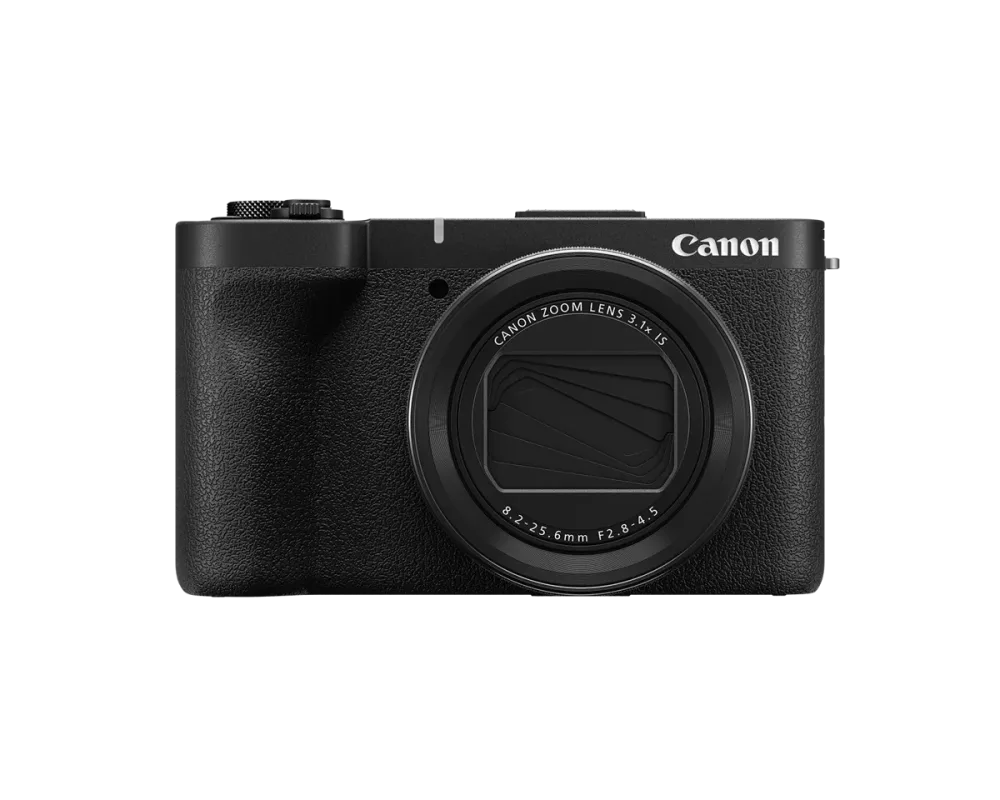 Canon · 1.4-inch · CompactCanon PowerShot V1from $740See price comparison →
Who should buy it, and who should not
Buy the G7 X Mark III if you want a genuinely pocketable camera with a bright stabilized zoom, a forward-facing screen, a mic jack, and simple 4K, and you can find it near the low end of its street range. It is a pleasant, uncomplicated video tool.
Skip it if reliable continuous autofocus, an electronic viewfinder, 4K/60p, or maximum still-image detail matter to you. Those are the areas where the alternatives above are simply better.
The price is the price. We just help you find the best one. Our take on timing: know the typical street range for this model, ignore the inflated listings, and pounce when a real dip shows up rather than paying a scarcity premium out of impatience. Price history tracking and drop alerts are just launched and collecting history now, so the honest move today is to compare across retailers before you buy.
Find the camera worth buying
We compare live listed prices and link you straight to the lowest one. No fake discounts.