DJI Osmo Pocket 3 around $439Fujifilm X100VI $1,799-$2,220Canon PowerShot G7 X Mark III around $1,030Sony a6700 $1,319-$1,500Canon EOS R50 $650-$730Sony a6400 $924-$1,100Sony ZV-E10 $586-$800Ricoh GR IIIx around $1,250Ricoh GR III $950-1,050Insta360 X5 around $550Sony RX100 VII $1,250-$1,500Canon EOS R6 Mark II $1,740-$1,999Canon EOS R5 $2,999-$3,426Nikon Z8 $3,023-$3,300DJI Osmo Pocket 3 around $439Fujifilm X100VI $1,799-$2,220Canon PowerShot G7 X Mark III around $1,030Sony a6700 $1,319-$1,500Canon EOS R50 $650-$730Sony a6400 $924-$1,100Sony ZV-E10 $586-$800Ricoh GR IIIx around $1,250Ricoh GR III $950-1,050Insta360 X5 around $550Sony RX100 VII $1,250-$1,500Canon EOS R6 Mark II $1,740-$1,999Canon EOS R5 $2,999-$3,426Nikon Z8 $3,023-$3,300
Home/Games/Camera Lab

MANUAL CAMERA LAB.

Practice the camera settings.

Adjust shutter speed, aperture, and ISO.
Find your settings. See what changes.
Ready to shootCyclist · Open shade
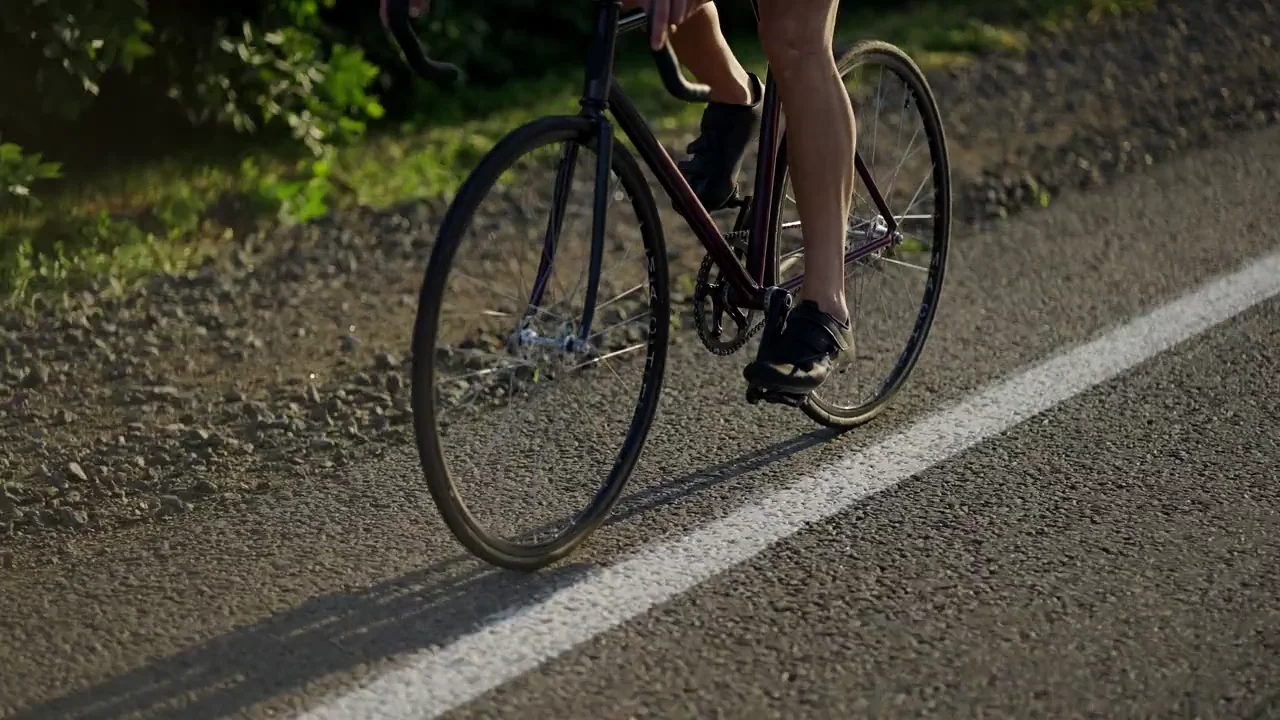
A cyclist riding along a sunlit road, seen close to the wheels
MEXPOSURE LABFRAME 001
1/125F5.6ISO 100
Real footage · simulated camera effects
01

Freeze the ride

Catch the rider in a crisp moment. Keep the image bright and the grain under control.

◎Find the lightWithin 0.7 stops of balance
↗Stop the motionUse 1/500s or faster
▧Keep the detailISO 800 or below

Your camera

?1/125s
More motionFreeze action
?f/5.6
More lightLess light
?100
Cleaner imageBrighter + grainier
Exposure balance+0.0 EV
−3−2−10+1+2+3

A balanced starting point.

Your contact sheet 0 frames

Keep experimenting. Tap a frame to inspect it.
01
+
Your first photograph
02
+
Try a different setting
03
+
See what changed

Your photograph

Your captured simulation frame

A learning simulation. Original footage focus and motion blur are retained.

The exposure triangle

Three controls. A different photograph.

Start with what you can see.
The vocabulary will follow.

Illustrated comparison of horizontal motion blur and a sharper cyclist photograph
Slow shutterFast shutter

Shutter speed

How long the camera gathers light for a photograph. A faster shutter can freeze movement. A slower one lets movement leave a trail.

Try the shutter control ↗
f/2.8
f/16

Aperture

The opening in the lens. A smaller f-number means a larger opening and more light. Aperture also affects depth of field on a real camera.

Try the aperture control ↗
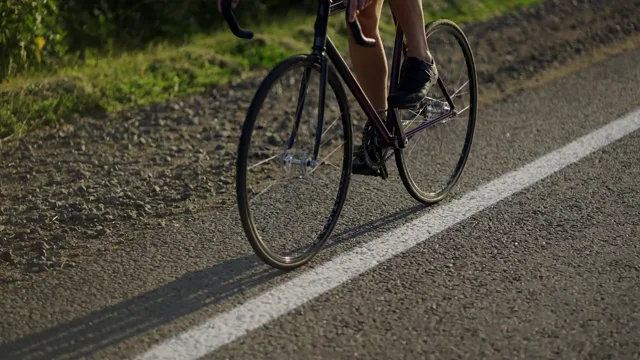
A close view of the bicycle, with a simulated grain comparison
ISO 100ISO 6400

ISO

ISO changes how bright the recorded image appears for a given exposure. Higher ISO can help keep a fast shutter in dim light, with a noise tradeoff.

Try the ISO control ↗

From practice to pictures

Why does a faster shutter make my photo darker?

It gives the camera less time to collect light. To keep a similar brightness, you can open the aperture or raise ISO. In this simulator, the exposure meter shows the balance between all three settings.

Try one change at a time. Photograph the same moment with a slow and a fast shutter, then compare your frames. The most useful setting is the one that serves the picture you want to make.

Explore cameras side by side ↗