The Best Low Light Camera in 2026: Honest Picks & Real Prices
Full-frame sensors, dim-light autofocus, and stabilization matter more than marketing specs. We break down the best low light cameras for stills, video, and budgets, with the real street prices you should be paying.
The honest question isn’t which camera “sees in the dark.” It’s which one keeps noise low, locks focus when the light is almost gone, and lets you hold a shutter speed without blur. That’s a full-frame sensor, autofocus rated for dim scenes, and in-body stabilization, in that order.
For most buyers, the Canon EOS R6 Mark II is the best low light camera. It’s not the most extreme sensor on the market, but it combines everything that matters: clean high-ISO stills, autofocus that works in near darkness, and stabilization that gets you hand-held shots you’d normally need a tripod for. If your budget is tighter, the Nikon Z5 II gets you full-frame low light performance at a competitive price. And if video is the priority, the Sony A7S III is built for sensitivity.
Best Low Light Camera Overall: Canon EOS R6 Mark II
The R6 Mark II is the body we keep pointing low-light shooters to. Its full-frame sensor uses a moderate resolution, which means more light per pixel and less noise at high ISO. The autofocus is rated to work in extremely dim conditions, and the in-body stabilization is strong enough to make a meaningful difference at slow shutter speeds. If you shoot a mix of indoor events, night street scenes, and low-light video, this is the one.
In our catalog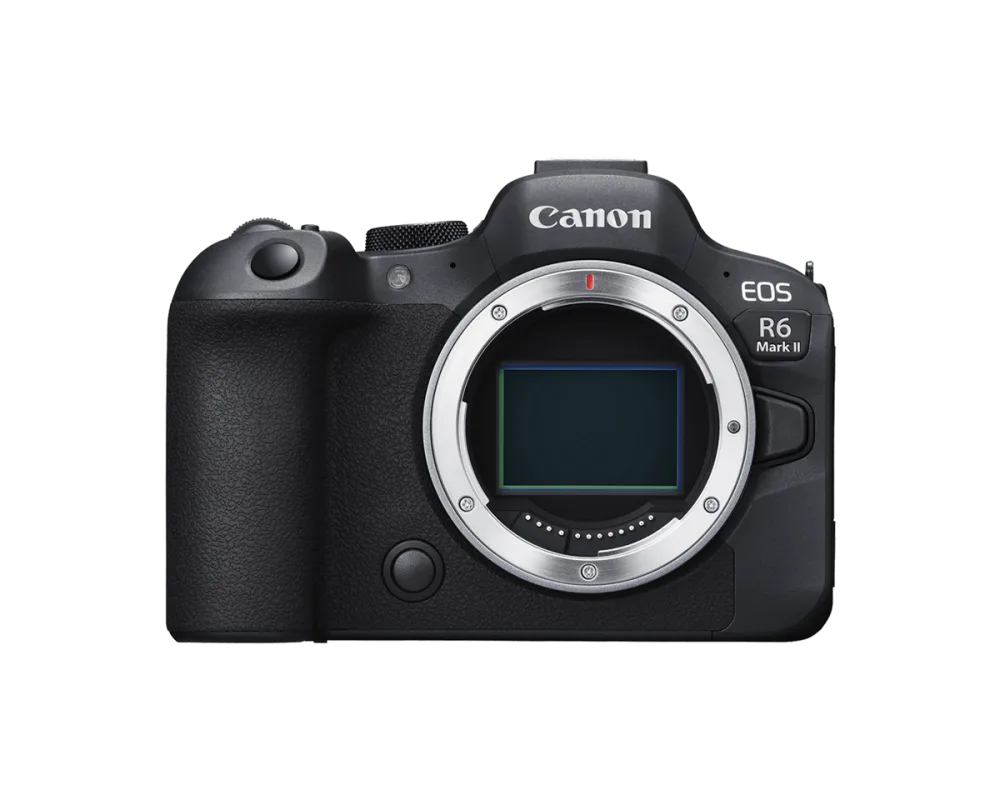 Canon · Full-frame · MirrorlessCanon EOS R6 Mark IIfrom $1,740See price comparison →
Best Value Full-Frame for Low Light: Nikon Z5 II
Full-frame is the single biggest advantage for low light, and the Z5 II is a full-frame mirrorless that offers strong low-light performance at a price that fits many budgets. It won’t match the R6 Mark II’s autofocus speed or burst rates, but for static and slow-moving subjects in dim light, it delivers the same fundamental benefit: a big sensor that keeps noise down. If your budget doesn’t reach the premium tier, this is where we’d point you.
In our catalog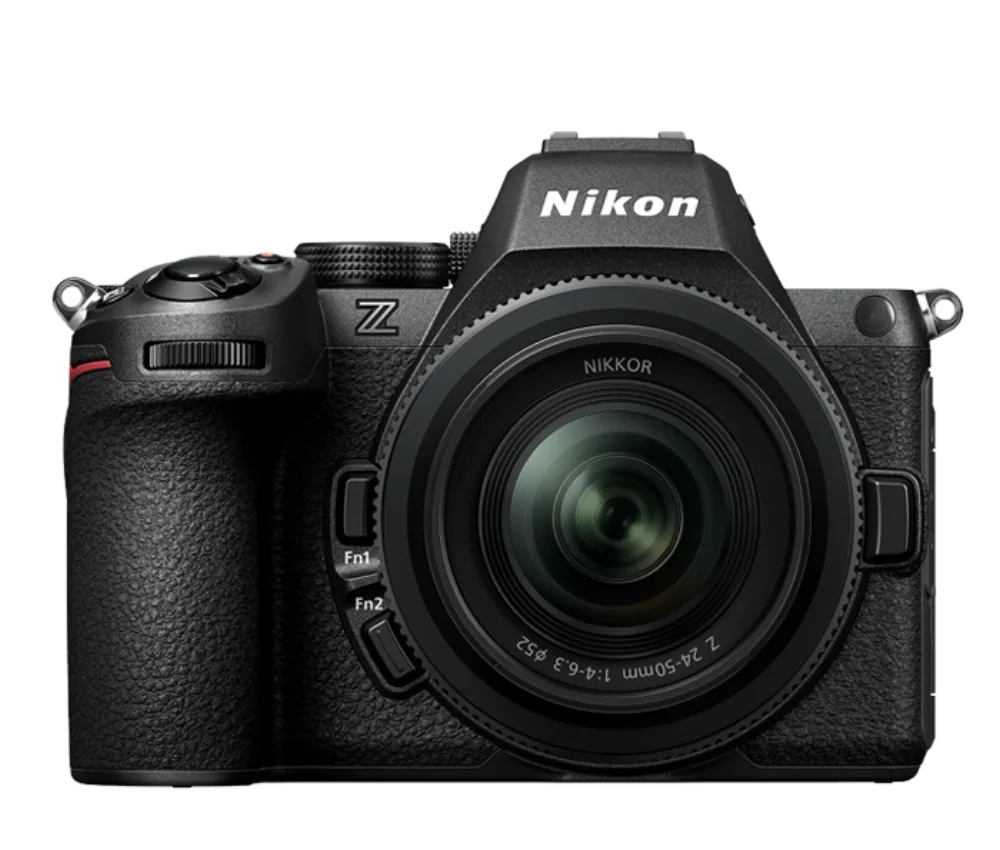 Nikon · Full-frame · MirrorlessNikon Z5 IIfrom $1,500See price comparison →
Best for Low-Light Video: Sony A7S III
Sony tunes the A7S III for exactly one thing: sensitivity. Its full-frame sensor is lower in resolution, which means larger pixels and less noise at high ISO, and the video features are built for dark scenes. This is the camera we’d pick for wedding receptions, concerts, or any run-and-gun video where you can’t control the light. It’s more expensive, and you accept lower-resolution stills for the sensitivity. In near darkness, it’s a specialist.
In our catalog Sony · Full-frame · MirrorlessSony a7S III$4,000See price comparison →
Best APS-C All-Rounder for Low Light: Sony a6700
If you can’t stretch to full-frame, the a6700 is a strong APS-C choice for low light. It has a modern sensor, autofocus that works in dim scenes, and in-body stabilization. It won’t match full-frame’s noise performance, but it’s a versatile option for mixed shooting in the APS-C tier.
In our catalog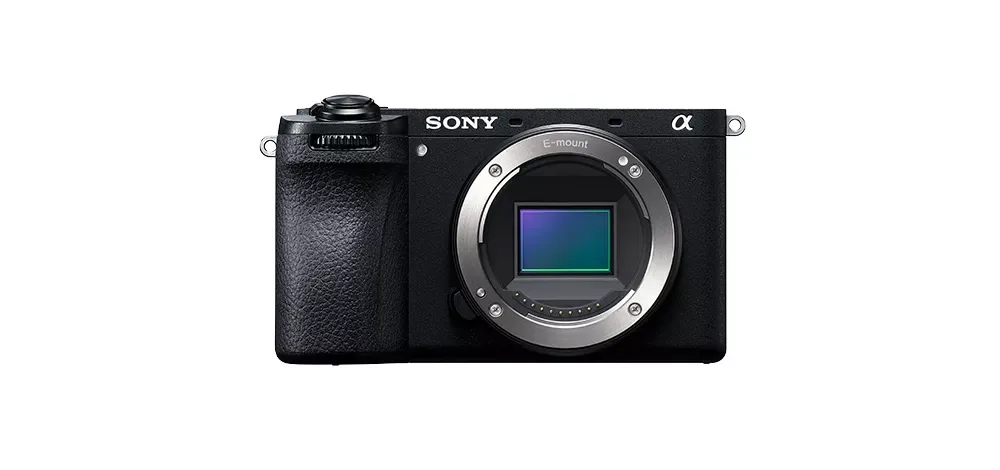 Sony · APS-C · MirrorlessSony a6700from $1,319See price comparison →
Best Budget Low Light Mirrorless: Canon R10
For a real budget, the Canon R10 paired with a fast prime is a practical low-light option. The body alone won’t work miracles in the dark, but its autofocus is solid, and a wide-aperture lens (like a f/1.8 prime) lets in enough light to make it work. You’re trading noise performance for price, but if you can manage slower shutter speeds or a tripod, it’s a smart starting point.
In our catalog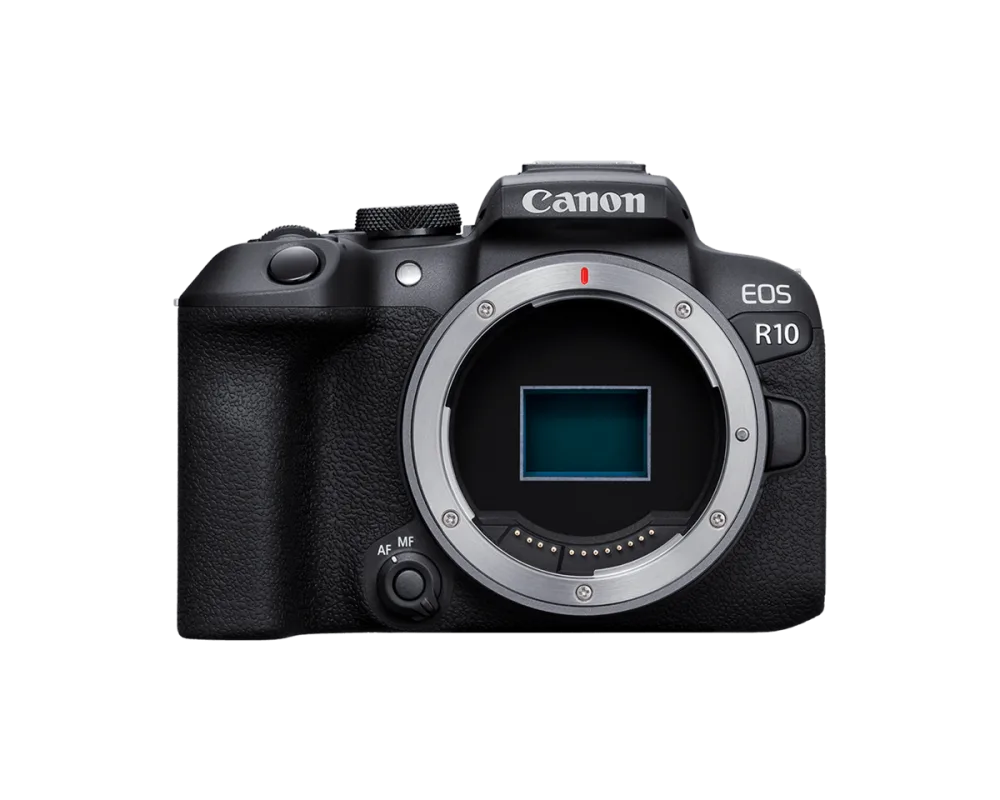 Canon · APS-C · MirrorlessCanon EOS R10from $868See price comparison →
The Lens Is Half the Equation
No camera makes your lens faster. In low light, a wide-aperture prime is often the difference between a usable shot and a missed one. Pair any of these bodies with a bright f/1.8 or wider lens, and you’ll get better results than spending an extra thousand on the body alone.
Know the Typical Street Price
List price is not the price you should pay. Every camera we track has a typical street range, and that range dips during real sales. Before you buy, check what the same body has been selling for across retailers in recent weeks. If the current price is at or below that typical range, it’s a real buy. If it’s above, wait. New is rarely necessary. Last year’s model or a slightly older body at a genuine discount is often the smarter low-light play.
We help you find the lowest listed price.
Find the camera worth buying
We compare live listed prices and link you straight to the lowest one. No fake discounts.