APS-C vs Full Frame: Which Sensor Do You Actually Need?
The full-frame upgrade is real but smaller than the internet makes it sound. Here is the plain-English breakdown of what changes, what it costs, and who actually benefits.
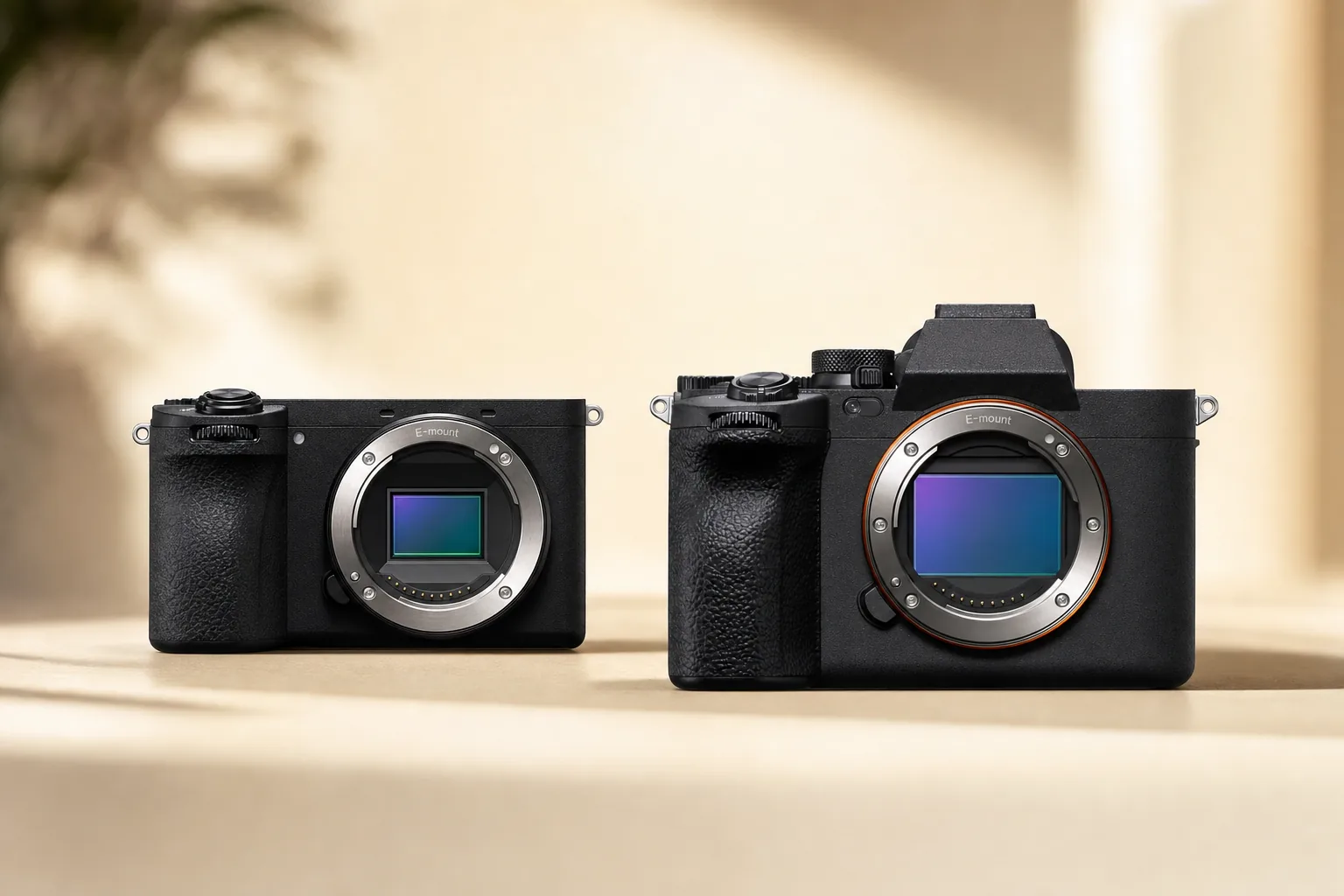
The honest answer to APS-C vs full frame: most people are better served by APS-C, and the gap is smaller than camera forums make it sound.
Full frame buys you a modest low-light advantage, shallower depth of field, and slightly more resolution headroom. APS-C gives you the same modern autofocus, smaller and cheaper lenses, and a friendlier price for nearly equivalent images. Unless you’re shooting weddings, low-light events, or large prints for a living, the difference rarely justifies the cost.
Here’s everything that actually changes, in plain English.
What APS-C and full frame actually mean
Both terms describe the physical size of the image sensor, the chip behind the lens that captures light. Think of it like window size: a bigger window lets in more light.
- Full frame: roughly 36 x 24mm, the same size as a frame of old 35mm film.
- APS-C: roughly 23.5 x 15.6mm on most brands (Canon’s APS-C runs slightly smaller at about 22.3 x 14.9mm).
That physical size gap is the only real difference. Everything else (low-light behavior, depth of field, lens choice, crop factor) flows from it.
Crop factor, explained without the math headache
Because an APS-C sensor captures only the center portion of what a lens projects, your field of view looks more zoomed-in than it would on full frame. The crop factor (about 1.5x for most APS-C, 1.6x for Canon) is just the multiplier that tells you how much.
A 50mm lens on a 1.5x APS-C body frames roughly like a 75mm lens on full frame. The lens is still physically 50mm; only the framing changes.
This cuts both ways:
- Good for telephoto reach. Wildlife and sports shooters sometimes prefer APS-C because the 1.5x crop makes a 300mm lens frame like a 450mm, extending reach for free.
- Annoying for wide-angle. Getting a truly wide look is harder; you need a wider lens to compensate for the crop.
Crop factor does not change exposure or make the lens slower. It only changes framing.
Low light: where full frame earns its reputation
A larger sensor collects more total light, and its individual pixels are usually larger, so it produces cleaner images at high ISO. In practice, full frame holds onto detail with less grain when you push it in dim rooms, at concerts, or at nighttime events.
The difference is typically about one stop, meaning full frame can shoot at roughly double the ISO of a comparable APS-C body for similar noise. That’s meaningful if you regularly shoot in the dark without flash. It’s close to irrelevant if you mostly shoot in daylight, add light, or use a tripod. Modern APS-C sensors and in-camera noise reduction have closed this gap considerably from where it stood a decade ago.
Depth of field: the blurry background question
Full frame makes it easier to get that creamy, blurred-background look. At the same framing and aperture, full frame renders shallower depth of field than APS-C, roughly equivalent to opening up about one stop.
But easier isn’t only. You can get beautiful background blur on APS-C with a fast lens (f/1.8 or f/1.4) and by moving closer to your subject. Portrait photographers do this on APS-C every day. Full frame just gives you more of that look with less effort, and a bit more at the extreme end.
Lenses: where APS-C quietly wins on budget and weight
The sensor is only half the system. Lenses built for full frame have to project a larger image, so they tend to be bigger, heavier, and more expensive. An APS-C kit can stay genuinely compact. A full-frame kit with two or three fast lenses gets heavy and pricey fast.
For travel, street, and everyday carry, this is the difference most people actually feel day to day, far more than a one-stop noise advantage they may never push hard enough to see.
APS-C vs full frame at a glance
| Factor | APS-C | Full frame |
|---|---|---|
| Sensor size | ~23.5 x 15.6mm | ~36 x 24mm |
| Low-light noise | Good, ~1 stop behind | Best, cleanest high ISO |
| Background blur | Achievable with fast lenses | Easier, more at the extreme |
| Crop factor | ~1.5x (1.6x Canon) | 1.0x (none) |
| Telephoto reach | Effectively extended | True focal length |
| Lens size and cost | Smaller, cheaper | Larger, pricier |
| Body weight | Lighter | Heavier |
| Price | Budget to mid | Mid to pro |
| Best for | Travel, everyday, reach | Low light, big prints, pro work |
Real cameras at each level
A strong modern APS-C body shows how little most people give up. Sony’s mid-tier APS-C flagship delivers the same advanced autofocus and IBIS found on pricier cameras at a fraction of full-frame cost:
In our catalog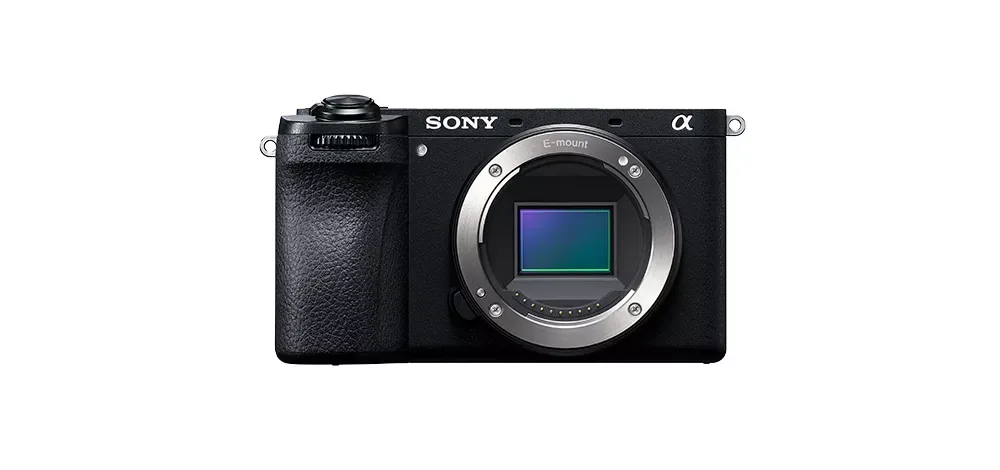 Sony · APS-C · MirrorlessSony a6700from $1,319See price comparison →
The natural full-frame comparison in the same brand family. Note where the price lands relative to the APS-C body above. That gap is mostly the sensor and the lenses you’ll need to go with it:
In our catalog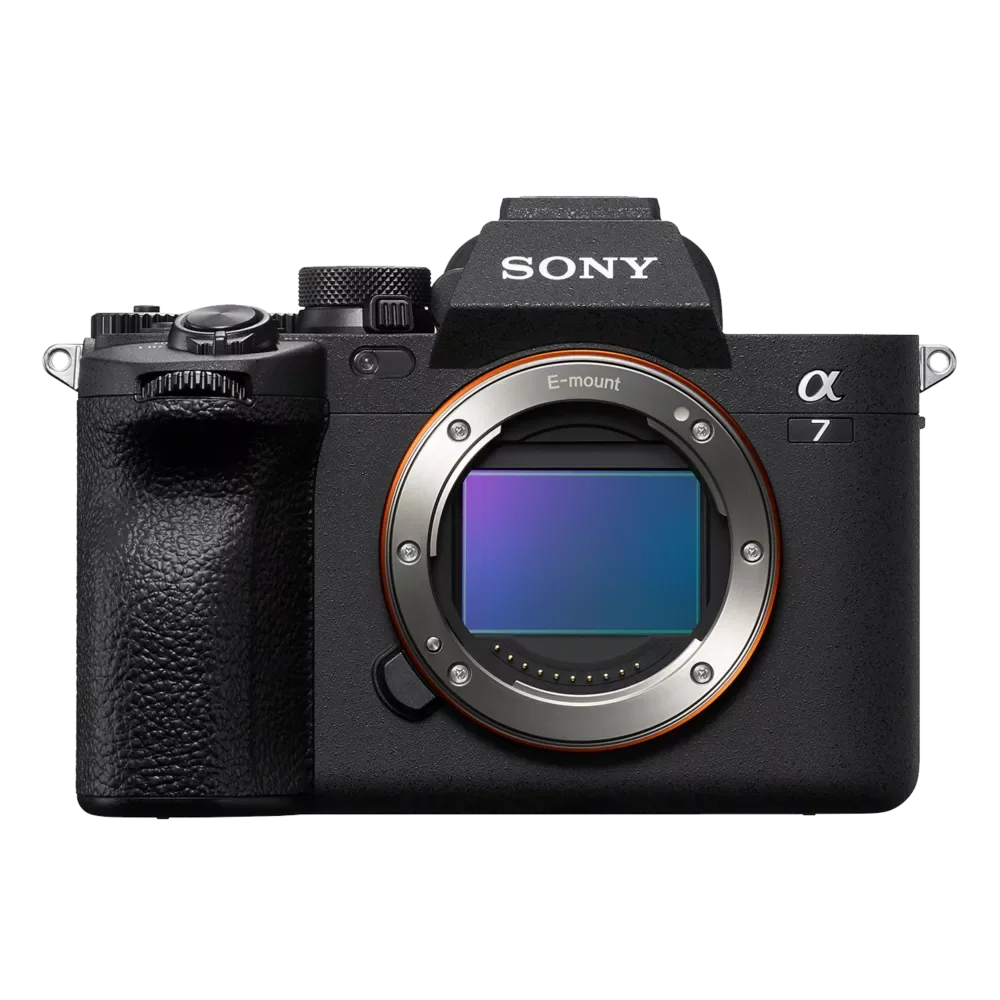 Sony · Full-frame · MirrorlessSony a7 IVfrom $1,998See price comparison →
For anyone starting out, a beginner-friendly APS-C body delivers genuinely excellent images without the full-frame price of entry:
In our catalog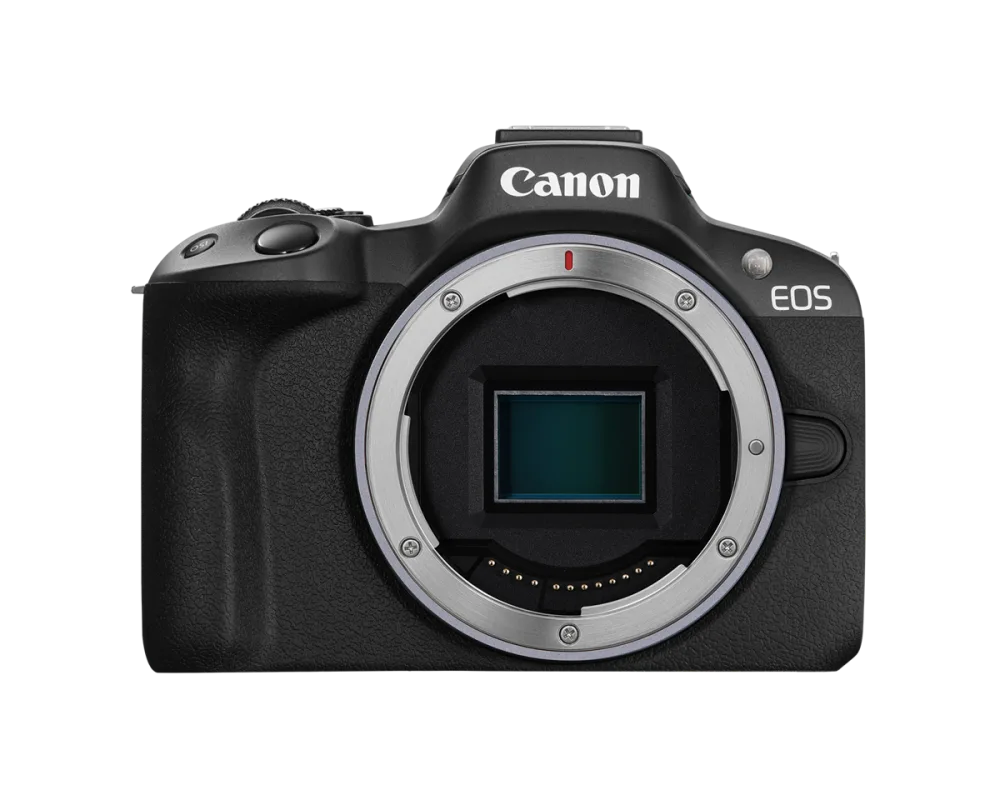 Canon · APS-C · MirrorlessCanon EOS R50from $650See price comparison →
Which should you pick?
Choose APS-C if you:
- Are buying your first real camera or upgrading from a phone
- Want a light, affordable, travel-friendly kit
- Shoot mostly in good light, outdoors, or with added lighting
- Want extra telephoto reach on a budget
- Want the best image quality per dollar, which is most people
Choose full frame if you:
- Regularly shoot weddings, events, or concerts in low light without flash
- Need the shallowest depth of field for professional portraits
- Print large or crop heavily and need resolution headroom
- Already own full-frame lenses or earn money where that margin matters
- Have the budget for the bigger lenses the system requires
Bottom line
Full frame is genuinely better in low light, for shallow depth of field, and for big prints, and genuinely worse for your wallet, your back, and your bag. APS-C gives you 90% of the result for a fraction of the cost and size. Buy the sensor your actual shooting demands, not the one with the better forum reputation.
Find the camera worth buying
We compare live listed prices and link you straight to the lowest one. No fake discounts.