Fixed Lens Compact vs Interchangeable Lens Mirrorless: Which Should You Buy in 2026?
One camera, one lens, no decisions. Or a mount, a roadmap, and a bag of glass. Here is the honest way to choose, with real street prices and no invented discounts.
The question sounds technical. It is not. It is really: do you want to buy a camera, or do you want to buy a system?
A fixed lens compact is one body with one permanently attached lens. Most mirrorless cameras take interchangeable lenses, which means the body is the start of a spending plan, not the end of one. Both can take excellent photos. The difference is what you are signing up for over the next few years.
The honest bottom line: if you want one small camera you never have to think about, buy fixed lens. If you want to shoot sports, wildlife, portraits, and video with the same body, buy mirrorless. Most people who ask us this question are actually deciding between those two lives, not two spec sheets.
What a fixed lens compact actually buys you
You get a smaller, lighter camera, a lens matched to the sensor by the manufacturer, and no mount to think about. You also get no upgrade path to a different lens. When the sensor ages, you replace the whole camera. And when you want longer reach, you cannot swap lenses the way you can on a system camera.
The other thing you get is pricing that can vary. Some premium compacts can be hard to find at list price, so it pays to check around.
In our catalog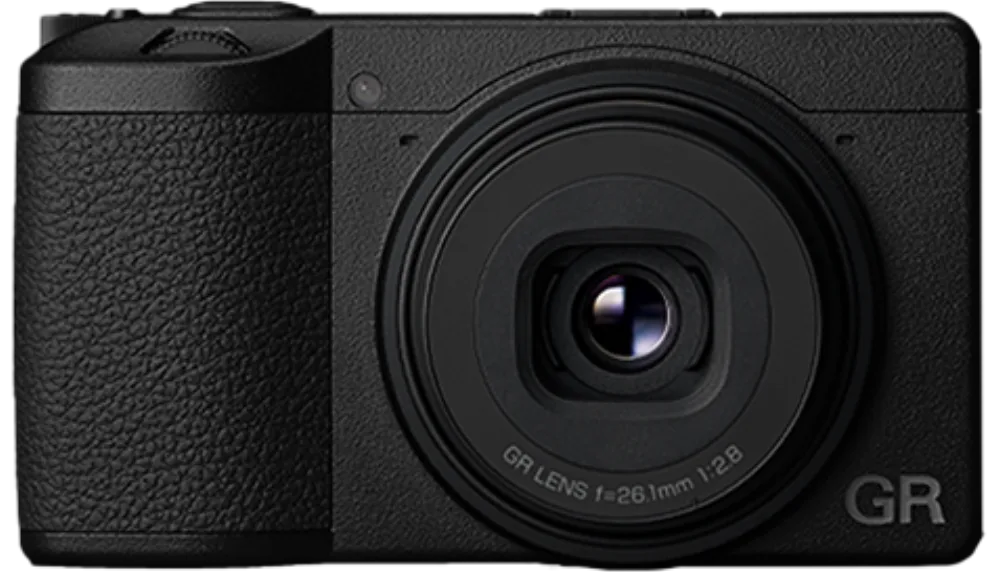 Ricoh · APS-C · CompactRicoh GR IIIx$1,250See price comparison →
A well-known example on the compact side. It is a genuinely pocketable APS-C camera built around a single prime lens, which is the whole point of the category. It suits street and everyday carry shooters who want one camera, one focal length, and no bag. If you want a zoom instead of a prime, or a viewfinder, this is not your camera.
In our catalog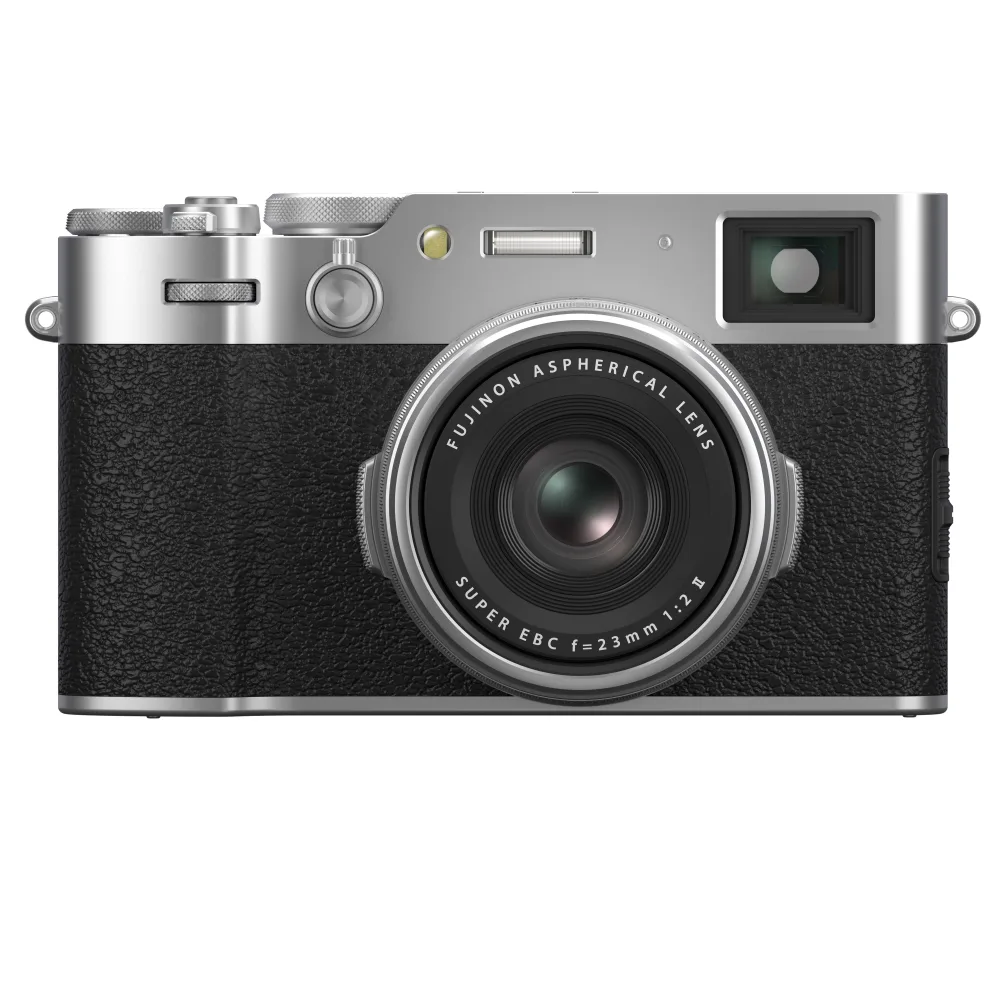 Fujifilm · APS-C · CompactFujifilm X100VIfrom $1,799See price comparison →
The other name people ask about constantly. It is a premium fixed lens compact with a hybrid viewfinder and a fixed prime lens. Availability can be limited, so treat any price near the top of its range as a warning sign rather than a deal.
What interchangeable lens mirrorless actually buys you
You get a body you can keep while your interests change. Start with a kit zoom, add a fast prime, rent a long lens for one trip. You also get a bigger total spend over time, a bag, and a lens decision every time you leave the house.
That last part is real. Plenty of people buy a mirrorless system and then shoot it with one lens forever, which is fine, but it means they paid system prices for compact behavior.
In our catalog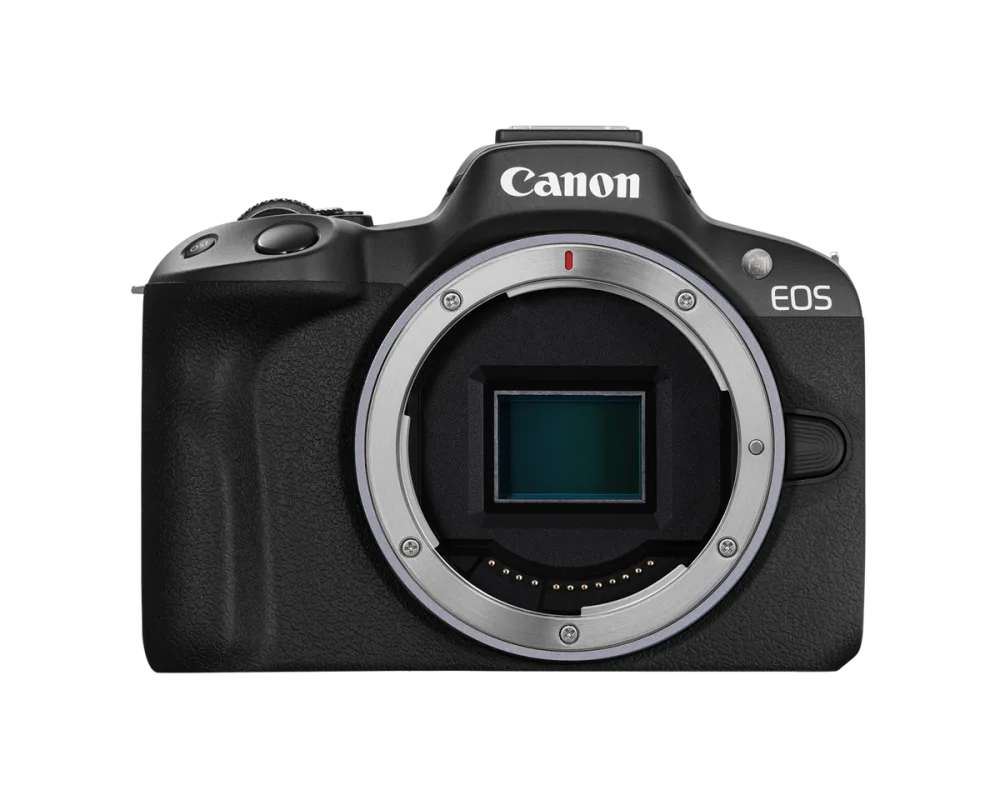 Canon · APS-C · MirrorlessCanon EOS R50from $650See price comparison →
Our pick for anyone moving up from a phone. It is an APS-C mirrorless body, it is the least intimidating way into a mount, and the kit price sits well below most premium compacts. It suits beginners who want to learn on a real camera and add a lens later.
In our catalog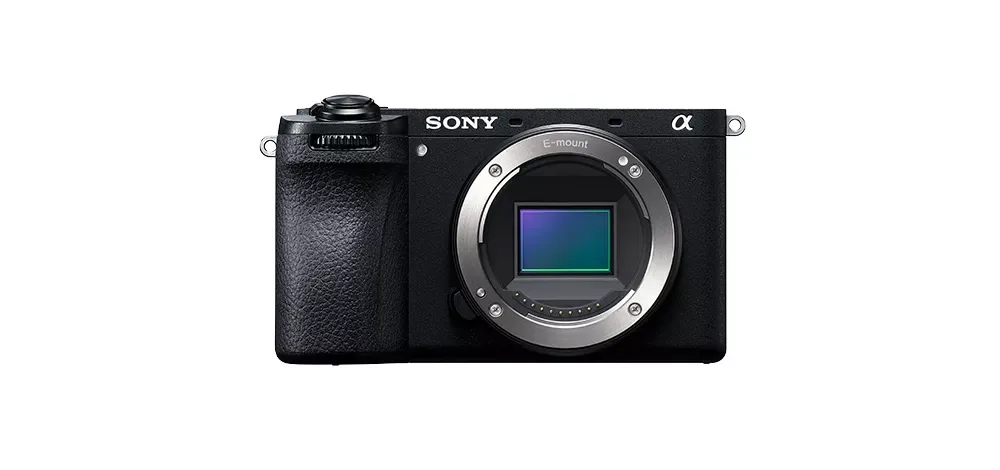 Sony · APS-C · MirrorlessSony a6700from $1,319See price comparison →
A strong APS-C option. It suits the buyer who already knows they want video and stills from one body and is willing to pay for a more capable sensor and autofocus system. It is a system purchase, so budget for a lens.
In our catalog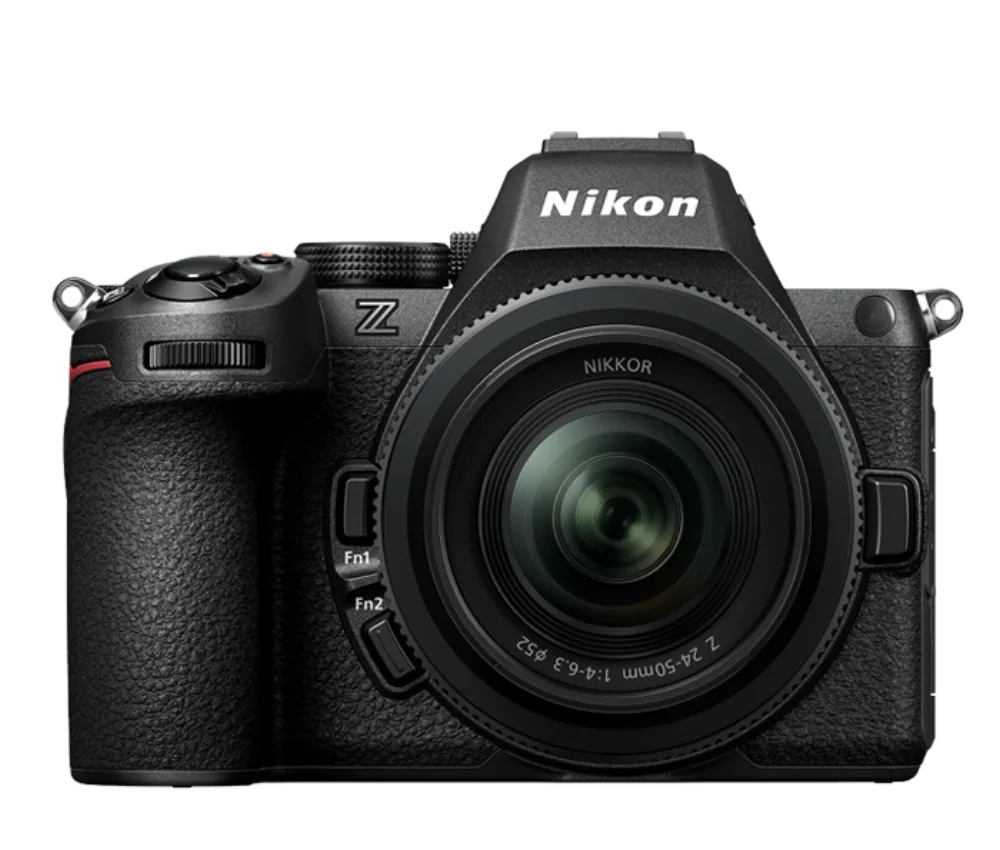 Nikon · Full-frame · MirrorlessNikon Z5 IIfrom $1,500See price comparison →
A full-frame pick to consider. It suits the buyer who has decided full frame matters to them and wants to enter that world without paying pro-body money. Full frame lenses are the expensive part, so go in with your eyes open.
The tradeoffs, stated plainly
Size and weight: fixed lens compacts win, and it is not close. A compact you carry beats a system camera you leave at home.
Flexibility: mirrorless wins, because the mount is the whole product. One body can be a vlogging rig, a portrait camera, and a wildlife camera on different days.
Cost over time: a compact is one purchase. A mirrorless system is a purchase plus lenses, and lenses are where the money actually goes. Compare the total cost over a few years, not body price.
Resale and relevance: mirrorless bodies get replaced on a cycle, which can be good news for patient buyers. Older bodies often offer good value, and that can be true whether you shoot Canon, Sony, Nikon, Fujifilm, or Panasonic.
How we would think about it
If you shoot one subject, one way, and want the camera in your pocket, buy the compact and stop reading reviews. If you are unsure what you want to shoot, buy mirrorless, because the mount lets you find out. If you are somewhere in between, buy the cheapest body in a mount you like and put the savings into one good lens.
On price: ignore the crossed-out number. Inflated list prices and invented discounts are common tricks in camera retail, and premium compacts are where they show up most. Know the typical street range for the model you want, then wait for a real dip rather than a manufactured one.
We compare prices across major retailers and manufacturer listings, though no single source is guaranteed to have the lowest price at any given moment. If you buy through a link, we may earn a commission at no extra cost to you. Prices shift often, so check a couple of sources before you commit.
Find the camera worth buying
We compare live listed prices and link you straight to the lowest one. No fake discounts.