GoPro Hero 13 vs DJI Osmo Action 6: Action Cam Face-Off
A head-to-head comparison of the GoPro Hero 13 Black and DJI Osmo Action 6 flat action cameras, covering price, ecosystem, and who each one fits.
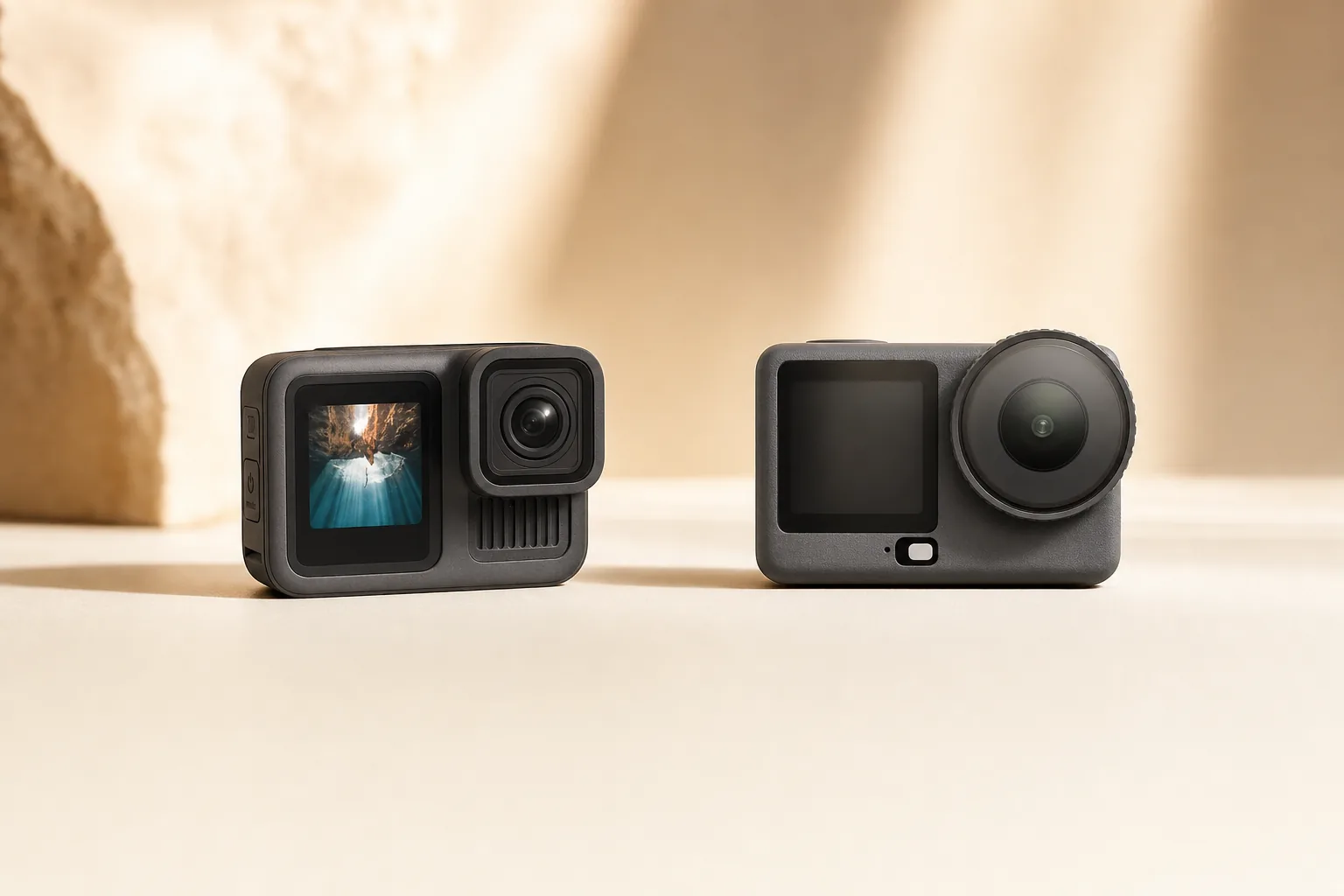
For the GoPro Hero 13 vs DJI Osmo Action 6 decision, the short answer is this: the GoPro wins on its ecosystem and the new HB-series interchangeable lens system, while the DJI Osmo Action 6 wins on raw imaging hardware with a larger sensor and a genuine variable aperture. Both are excellent, fully waterproof flagship action cams in the same price neighborhood, so the right pick comes down to whether you value GoPro’s mount-and-accessory universe or DJI’s bigger-sensor, higher-resolution image pipeline.
Below is a verified, spec-by-spec breakdown drawn from the manufacturers’ own published specifications, followed by where each camera genuinely pulls ahead.
GoPro Hero 13 vs DJI Osmo Action 6 at a glance
| Spec | GoPro Hero 13 Black | DJI Osmo Action 6 |
|---|---|---|
| Image sensor | 1/1.9” CMOS | 1/1.1” square CMOS (2.4 μm fused pixels) |
| Max video | 5.3K60, 4K120, 2.7K240 | 8K (16:9) 30fps, 4K up to 120fps |
| Slow motion | 1080p240; Burst Slo-Mo 720p400 | 1080p240 |
| Aspect ratios | Full 8:7 sensor (plus 16:9, etc.) | 16:9, 4:3, 9:16, custom 1:1 |
| Lens / aperture | Fixed lens; HB-series interchangeable lens mods | Variable aperture f/2.0-f/4.0 |
| Stabilization | HyperSmooth 6.0 (AutoBoost) | RockSteady 3.0 / 3.0+, HorizonSteady |
| Waterproof | 33 ft (10 m) without housing | 20 m bare, 60 m with case (IP68) |
| Battery | 1900mAh Enduro | 1950mAh |
| Runtime (mfr) | ~1.5 hr at 4K30 / 5.3K30; ~2.5 hr at 1080p30 | Up to 240 min at 1080p (RockSteady on) |
| Screens | Front + rear LCD | 1.46” front + 2.5” rear touchscreen |
| Weight | 159 g | 149 g |
| Price | Roughly $319-$450 depending on deals | Roughly $369-$400+ for the standard combo |
Prices move constantly on both cameras, so treat the ranges above as a guide rather than a fixed figure. Check the live listings below before you buy.
Where each one pulls ahead
The Hero 13 Black’s edge is the system around it. The headline upgrade this generation is the HB-series lens collection: GoPro’s first true interchangeable lens mods for an action cam. The Macro Lens Mod has a manual focus ring that pulls focus from about 4.33 inches out to roughly 2.46 feet, the Ultra Wide Lens Mod delivers an industry-leading 177-degree field of view in 4K60, and the Anamorphic Lens Mod captures a cinematic 21:9 widescreen with real horizontal lens flares. The camera auto-detects whichever lens or ND filter you attach and adjusts its settings to match. On top of that, GoPro retains the deepest accessory and mount ecosystem in the category, the full 8:7 sensor readout for reframing, and HyperSmooth 6.0 with AutoBoost stabilization. A fun standout is Burst Slo-Mo, GoPro’s first: 720p at 400fps for 15 real-time seconds, with higher-resolution options at 900p/360fps and 5.3K/120fps.
The Osmo Action 6’s edge is the imaging hardware itself. It carries a notably larger 1/1.1-inch square sensor with 2.4-micron fused pixels rated up to 13.5 stops of dynamic range, and it is the first action camera with a variable aperture (f/2.0-f/4.0), which gives you real control over depth and exposure instead of leaning entirely on electronic tricks. It also pushes higher peak resolution with 8K capture in 16:9, matches the GoPro at 4K120, and offers RockSteady 3.0/3.0+ plus HorizonSteady leveling. Its IP68 rating takes it to 20 meters bare and 60 meters with the dive case, deeper than the GoPro’s 33-foot bare rating, and DJI’s quoted battery runtime is generous. The square sensor is built for multi-format creators who post to both vertical and widescreen from a single shot.
Who should buy which
Buy the GoPro Hero 13 Black if you already own GoPro mounts and accessories, want the creative flexibility of swappable macro, ultra-wide, and anamorphic lenses, and value the largest action-cam ecosystem plus playful modes like Burst Slo-Mo. It is the better pick for mountain bikers, vloggers, and anyone who builds shots around physical lens character.
Buy the DJI Osmo Action 6 if you care most about image quality straight out of the camera: a bigger sensor, variable aperture, strong dynamic range, 8K resolution, deeper native waterproofing, and a clean front-and-rear touchscreen layout. It suits divers, multi-format social creators, and anyone who wants the most capable sensor and optics in this class without bolting on extras.
Bottom line
In the GoPro Hero 13 vs DJI Osmo Action 6 matchup, neither camera is a mistake. The Hero 13 Black is the system play, defined by interchangeable HB-series lenses and an unmatched accessory world. The Osmo Action 6 is the hardware play, with a larger square sensor, a true variable aperture, 8K, and deeper waterproofing for a similar price. Pick the GoPro for ecosystem and lens versatility; pick the DJI for the stronger underlying imaging package.
In our catalog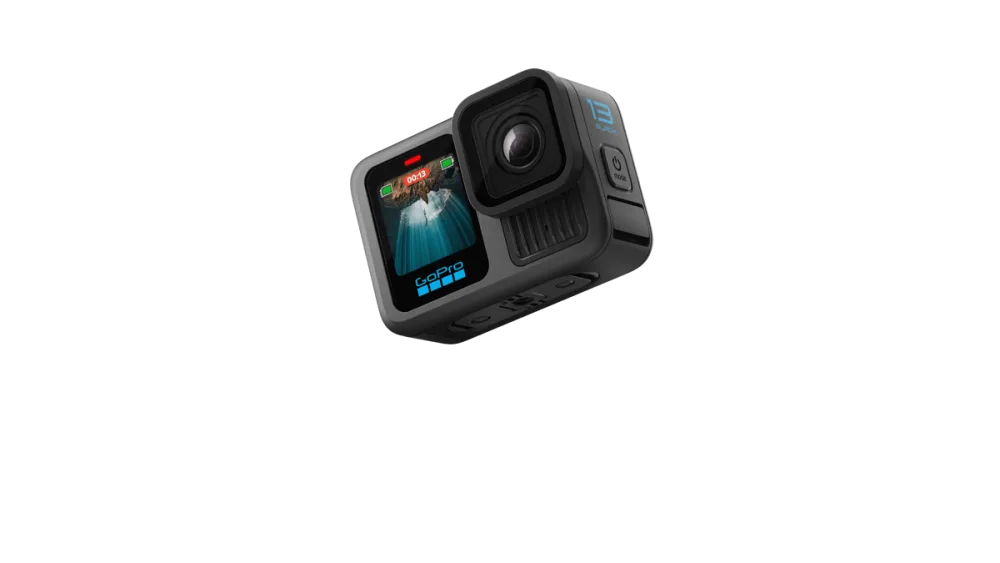 GoPro · Compact sensor · ActionGoPro Hero 13 Black$430See price comparison →
In our catalog
GoPro · Compact sensor · ActionGoPro Hero 13 Black$430See price comparison →
In our catalog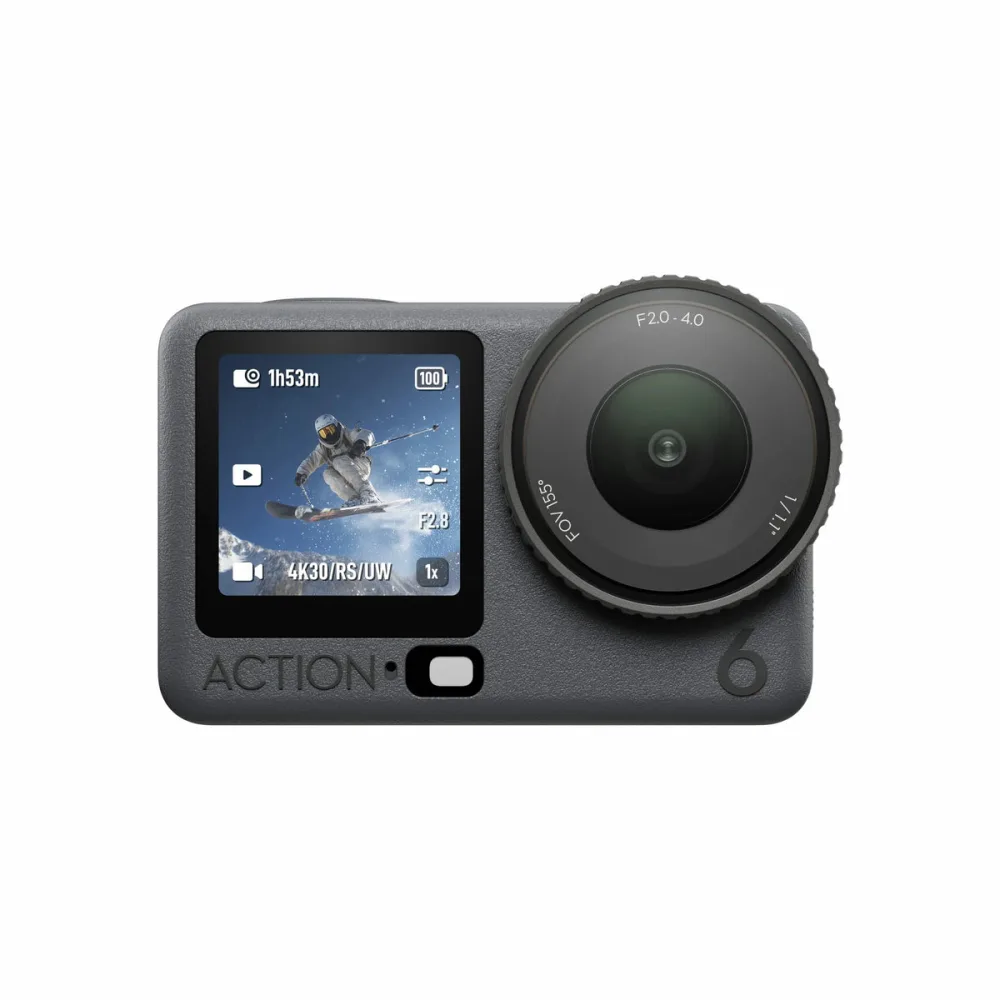 DJI · Compact sensor · ActionDJI Osmo Action 6See priceSee price comparison →
Find the camera worth buying
We compare live listed prices and link you straight to the lowest one. No fake discounts.