DSLR vs Mirrorless for Beginners in 2026: Which Should You Start With?
If you're just starting out, the honest answer is mirrorless. Here's why, plus the real prices for the best beginner models.
If you’re just starting out in 2026, the honest answer is: mirrorless is the better choice for most beginners. The reasons are practical, not hype. Modern mirrorless cameras give you real-time exposure preview, far more forgiving autofocus, and often 4K video, all in a smaller, lighter body. DSLRs still win on battery life and very low used prices, but much of the new development, and many new lenses, has moved to mirrorless mounts. Unless you already own DSLR lenses or have a tight budget and love the optical viewfinder, mirrorless is the smarter start.
Here’s how we’d think about it, with the real prices you should expect to pay.
Why Mirrorless Wins for Beginners
Real-Time Exposure Preview
The biggest advantage is the electronic viewfinder (EVF). It shows you exactly what the final image will look like before you press the shutter. That means you can see the effect of changing aperture, shutter speed, or ISO instantly, a huge learning aid. DSLRs use an optical viewfinder that shows the scene as it is, not the exposure outcome, so you often have to review the LCD after the shot.
Autofocus That Forgives Mistakes
Many entry-level mirrorless cameras have on-sensor phase-detect AF with wide coverage and face/eye/subject detection. This is far more forgiving than older DSLR AF systems that concentrate points near the center. For a beginner, this means you can focus on composition and let the camera handle the tracking.
Video Is a Given
Many current mirrorless beginner cameras shoot 4K video with reliable autofocus. Some DSLRs top out at 1080p, and live-view AF can be limited on older models. If there’s any chance you’ll vlog, stream, or create content, mirrorless is the safer bet.
Size and Weight
Mirrorless bodies are smaller and lighter, making them easier to carry daily. That means you’ll actually bring it with you. The best camera is the one you have with you.
When a DSLR Might Still Make Sense
DSLRs aren’t obsolete. They offer longer battery life because the optical viewfinder doesn’t drain power, and they have a massive used lens market. If you’re on a very tight budget and willing to buy used, an older DSLR can be a great way to learn on the cheap. But keep in mind: you’ll be investing in a mount that’s no longer the focus of new development.
Our Picks for Beginners in 2026
Best for Most Beginners: Canon EOS R50
The Canon R50 is our top pick for most beginners. It’s an APS-C mirrorless camera that hits the sweet spot of price, size, and capability. It has a fully articulating touchscreen, excellent dual-pixel autofocus with eye detection, and 4K video. It’s light enough to carry everywhere, and the menu system is approachable. For someone just starting out, it’s the easiest path to great results without overwhelming you.
In our catalog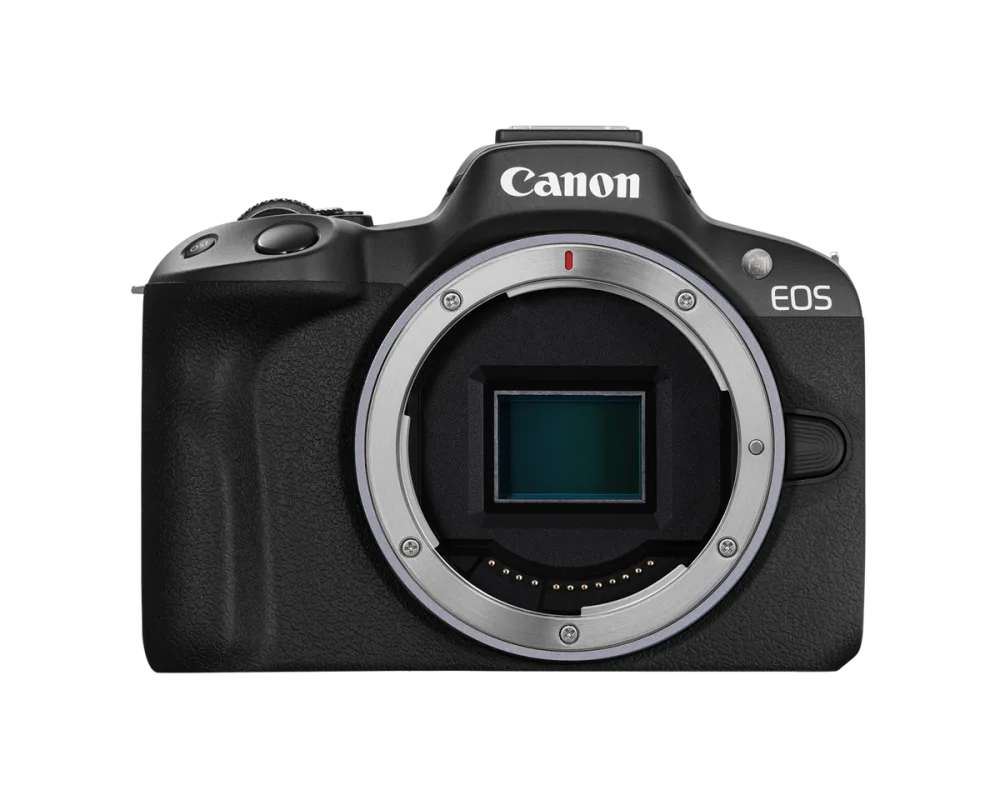 Canon · APS-C · MirrorlessCanon EOS R50from $650See price comparison →
Best Value for Beginners: Canon EOS R10
If you want a bit more control and don’t mind a slightly larger body, the Canon R10 is the value pick. It shares a similar sensor and autofocus system with the R50 but adds more physical dials and a faster burst rate. It’s a step up in handling without a big step up in price.
In our catalog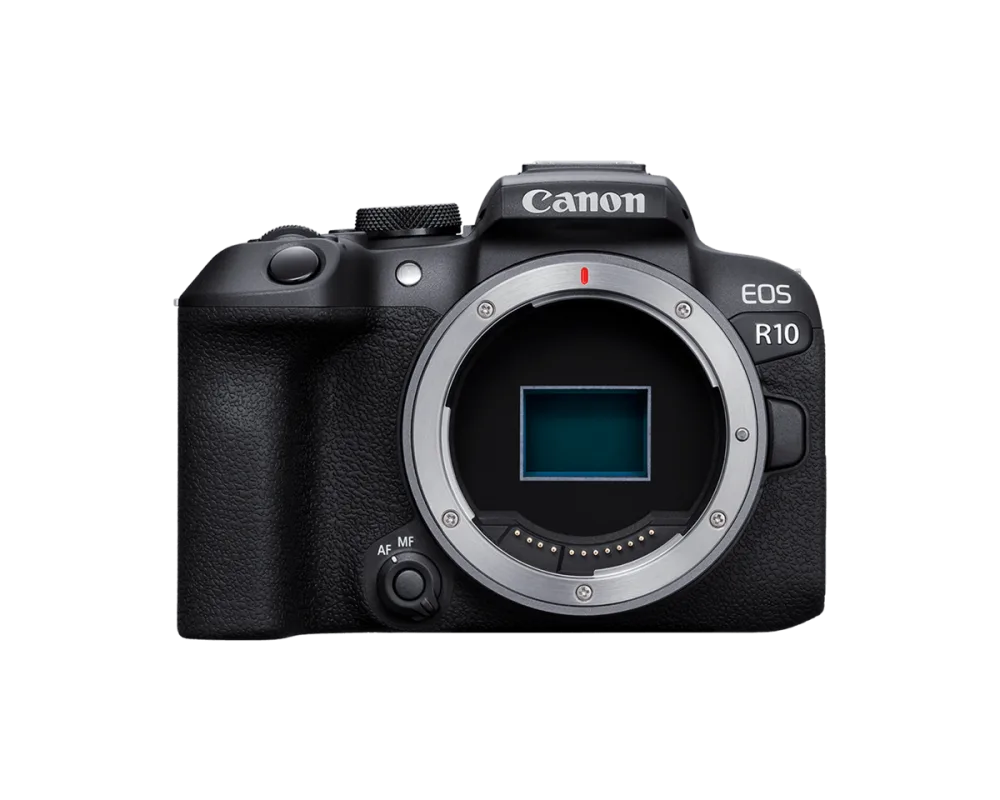 Canon · APS-C · MirrorlessCanon EOS R10from $868See price comparison →
Best for Vlogging Beginners: Sony ZV-E10 II
If you’re starting out with video or vlogging in mind, the Sony ZV-E10 II is the pick. It’s an APS-C mirrorless camera with a flip-out screen, great autofocus, and 4K video. It’s designed for creators, with a built-in microphone and a background defocus feature.
In our catalog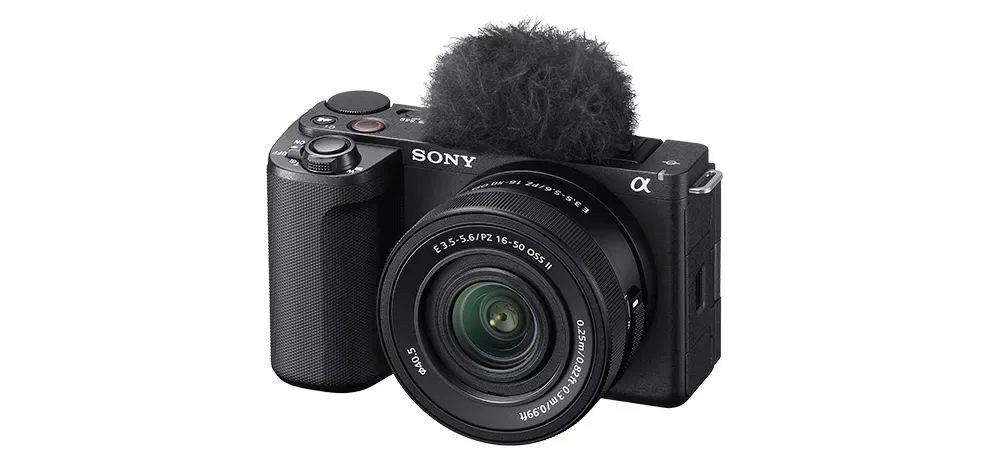 Sony · APS-C · MirrorlessSony ZV-E10 II$1,200See price comparison →
Best Budget Mirrorless: Nikon Z50 II
The Nikon Z50 II is a budget option. It’s an APS-C mirrorless camera with a comfortable grip, a modern autofocus system, and 4K video. It’s a bit more traditional in handling, which some beginners prefer.
In our catalog Nikon · APS-C · MirrorlessNikon Z50 IIfrom $890See price comparison →
The Bottom Line
For a beginner in 2026, mirrorless is usually the better choice. The real-time preview, forgiving autofocus, and video capabilities make it easier to learn and more future-proof. The Canon R50 is our top pick for most people, but the R10 is a great value alternative, and the ZV-E10 II is the one to get if video is your priority.
Remember, the price is the price. We just help you find the best one. New cameras rarely need to be bought at launch. Know the typical street price, and pounce when a real dip appears. We track live prices across retailers so you don’t overpay.
Compare listed prices →
Find the camera worth buying
We compare live listed prices and link you straight to the lowest one. No fake discounts.