Mirrorless vs DSLR in 2026: Which Camera Should You Buy?
Mirrorless has won the future, but DSLRs still deliver incredible value. We break down the real differences in autofocus, video, battery life, and price, and help you decide which system fits your shooting.
So you’re wondering: mirrorless or DSLR in 2026? Here’s the honest truth: mirrorless has taken over for most shooters, but DSLRs still have a strong case if you prioritize value, battery life, or that optical viewfinder. We track prices across every major retailer, and we’ll help you figure out which path saves you money without sacrificing what matters.
The Big Picture
Canon, Nikon, Sony, and Fujifilm now focus their new development almost entirely on mirrorless: that’s where fresh lens lineups, cutting-edge autofocus, and video features land first. (Pentax is the lone major holdout still releasing new DSLRs.) For everyone else, DSLRs have become legacy products, but that doesn’t make them bad. They’re just… done. And for a stills-first shooter on a budget, that can be exactly right.
What Mirrorless Does Better
Autofocus
On-sensor phase-detection AF gives mirrorless cameras eye-tracking for humans, animals, and even vehicles, reliably in video too. DSLRs rely on a separate AF module for viewfinder shooting whose points can’t cover the full frame, and their live-view autofocus has historically been slower and less consistent than mirrorless. In 2026, if you shoot anything that moves, mirrorless AF is a decisive win.
Video
This one’s not close. Many mirrorless cameras offer 4K60 and beyond, with 10-bit color and log profiles. Most DSLRs were built before high-frame-rate 4K was standard: the popular Canon 5D Mark IV and Nikon D850, for instance, top out at 4K/30fps, often with a crop. If video matters at all, go mirrorless.
Size & Weight
Mirrorless bodies are generally smaller and lighter, especially with native lenses. DSLRs have deeper grips and more heft, which some prefer for balance, but for travel or all-day carry, mirrorless wins.
Viewfinder
Electronic viewfinders let you see exposure, white balance, and focus peaking before you shoot. DSLR optical viewfinders are lag-free and pure, but you get no preview. It’s a preference, but EVFs have gotten very good.
What DSLRs Still Do Well
Battery Life
DSLRs easily shoot 800-1500 shots per charge. Mirrorless bodies average 300-700. For long events or wildlife trips, a DSLR can run all day on one battery.
Value
DSLR bodies and lenses are dirt cheap on the used market. You can get a pro-level full-frame DSLR like a Nikon D850 for under $1,500, with incredible image quality. Mirrorless bodies cost more new, and native lenses are pricier.
Optical Viewfinder Experience
Some photographers simply prefer the optical viewfinder, the natural, unprocessed view. No lag, no refresh rate, no digital noise in low light. It’s a tactile preference, but a real one.
Our Recommendations (Mirrorless)
We track only current mirrorless models, but we’ll point you to the best value across retailers.
Best Overall: Canon EOS R6 Mark II
In our catalog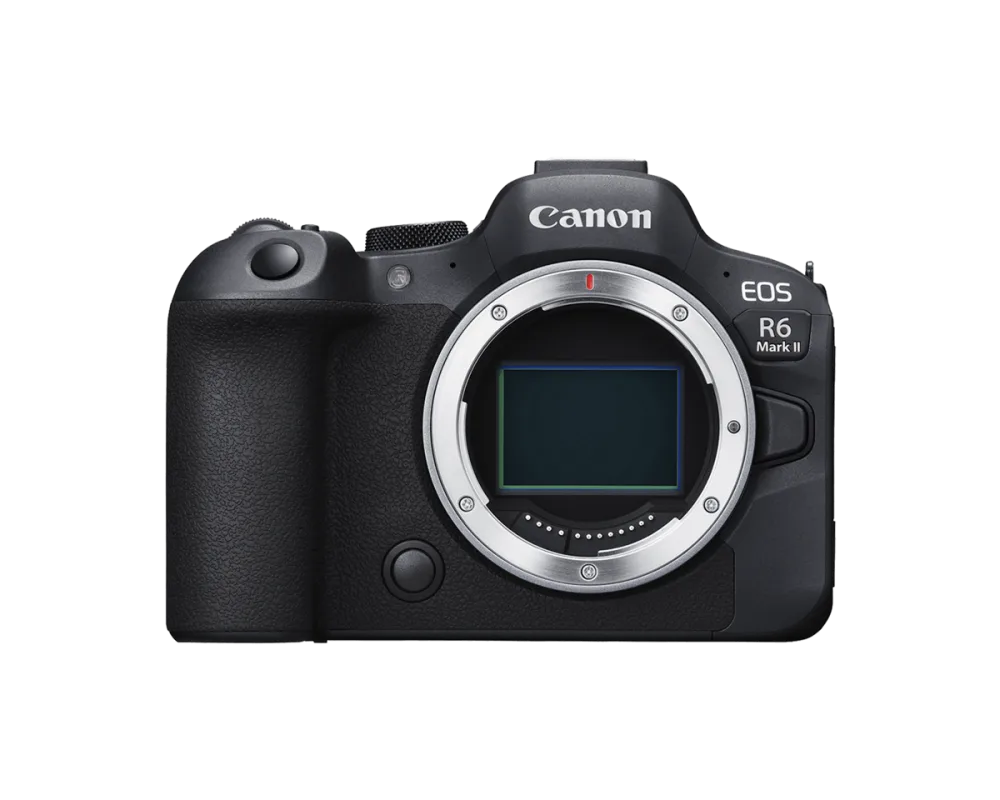 Canon · Full-frame · MirrorlessCanon EOS R6 Mark IIfrom $1,740See price comparison →
The R6 Mark II is the hybrid sweet spot: 24MP full-frame, class-leading AF, oversampled 4K60, 40fps burst (with electronic shutter), and 8-stop IBIS. It’s the camera we’d recommend to anyone who does both stills and video seriously. [Compare prices →]
Best Value Full-Frame: Nikon Z5 II
In our catalog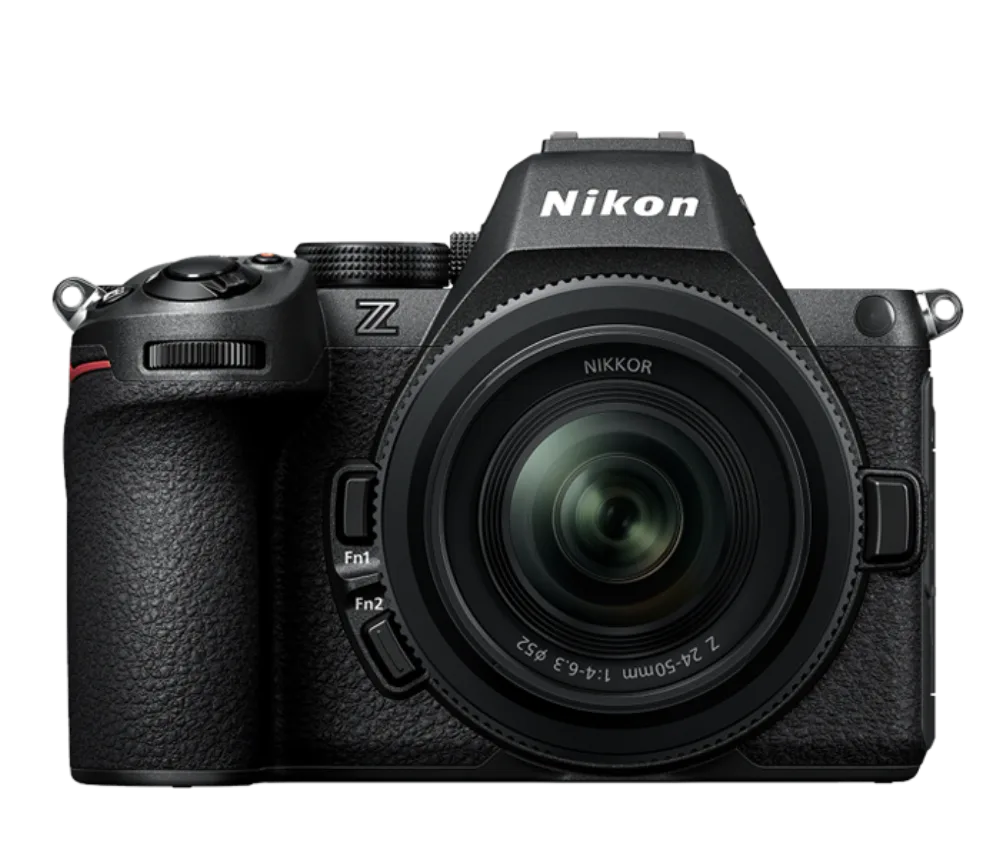 Nikon · Full-frame · MirrorlessNikon Z5 IIfrom $1,523See price comparison →
The Z5 II is our value pick for stepping up to full-frame: a 24.5MP sensor, 5-axis in-body stabilization, and Nikon’s modern Z-mount autofocus, at a price that undercuts most full-frame rivals. If you want the full-frame look without the flagship spend, start here. [Compare listed prices →]
Best for Beginners: Canon R50
In our catalog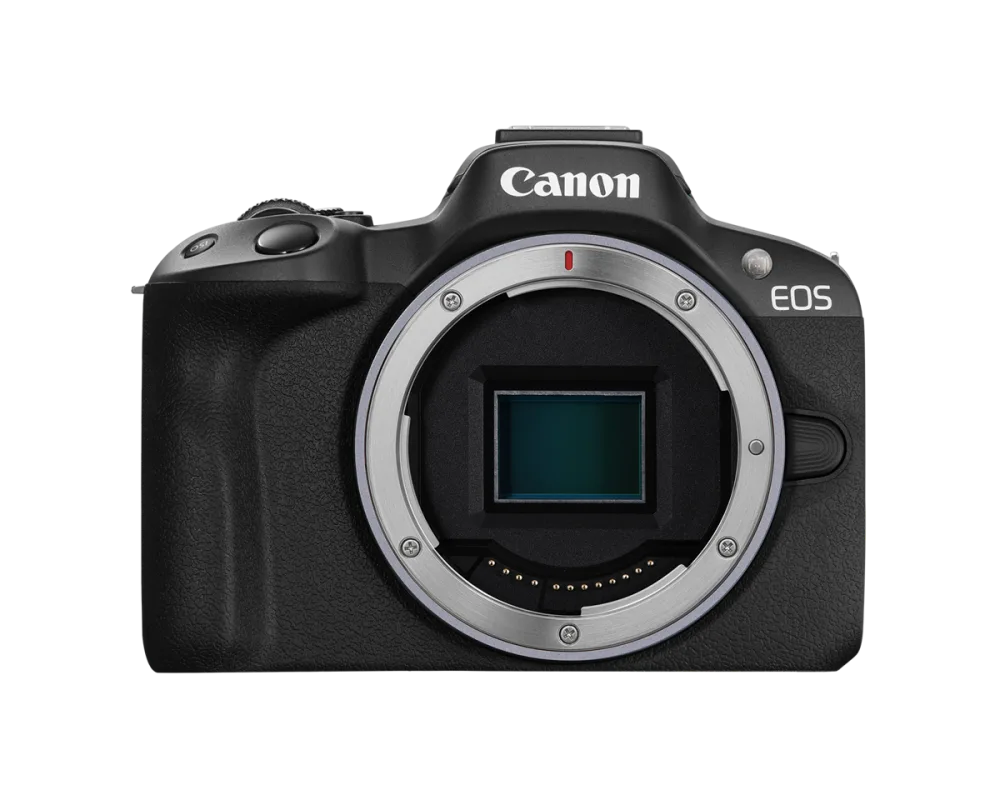 Canon · APS-C · MirrorlessCanon EOS R50from $650See price comparison →
Light, simple, and capable. The R50 gives you Canon’s excellent dual-pixel AF, 24MP, and 4K video in a body that won’t overwhelm first-time buyers. A great entry point into mirrorless. [Compare prices →]
Best Budget Mirrorless: Canon R10
In our catalog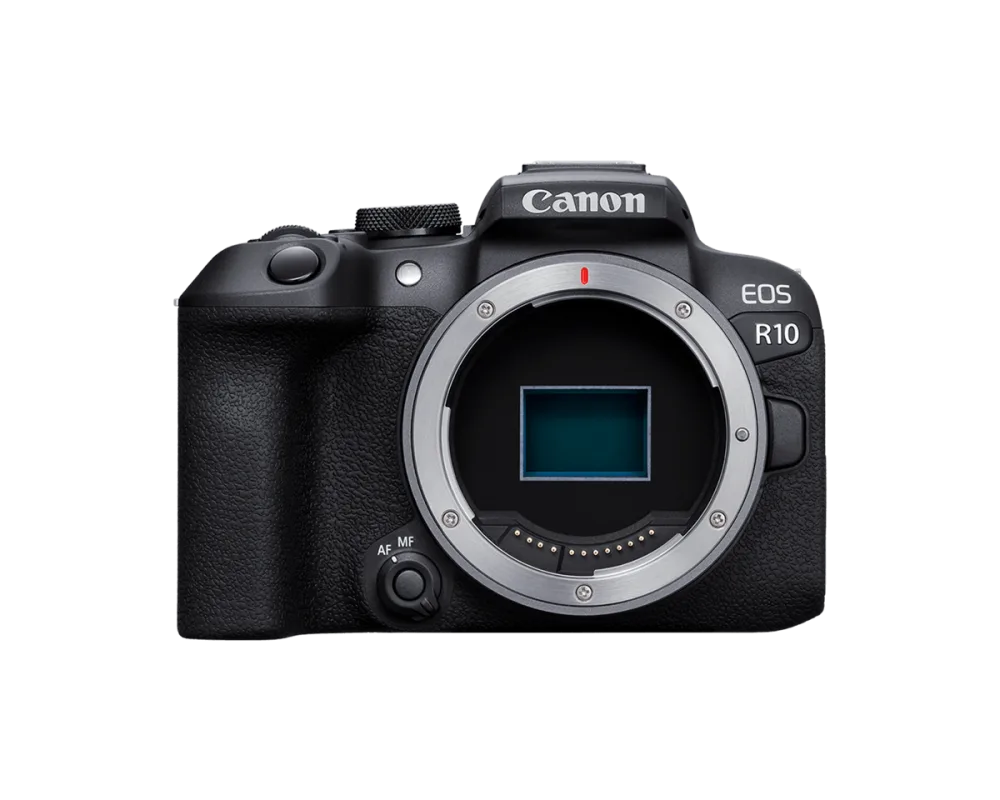 Canon · APS-C · MirrorlessCanon EOS R10from $868See price comparison →
If the R50 is a bit too basic, the R10 adds faster burst rates, a deeper buffer, and more physical controls. It’s a solid budget option for someone who wants to grow. [Check price →]
What About DSLRs?
We don’t track DSLRs on our site because manufacturers have stopped producing new ones. But if you’re buying used, and you should consider it, look for a Nikon D7500, D850, or Canon 5D Mark IV. Pair them with affordable used glass, and you’ll get fantastic stills for less than half the cost of a mirrorless equivalent. Just know you’re giving up modern AF and video.
The Bottom Line
- If you shoot hybrid (photo + video) or want the latest technology: buy mirrorless. Canon R6 II, Sony a6700, or Nikon Z6 III.
- If you’re on a tight budget and only shoot stills: buy a used DSLR. The value is unbeatable.
- If you want a compact travel camera: mirrorless, no contest. Fujifilm X-S20 or Sony a7C II.
Don’t overthink this. The best camera is the one you’ll actually carry and can afford. We’re here to make sure you get it at the best real price, no fake discounts, no pressure. Just the facts.
Prices reflect typical street ranges at major retailers. We update live pricing daily. [Learn how our prices work →]
Find the camera worth buying
We compare live listed prices and link you straight to the lowest one. No fake discounts.