New vs Used Cameras: What to Know Before You Buy
Used cameras can save you hundreds, but only if you know what to check. Shutter count, warranty, gray-market risk, and where buying used genuinely makes sense.
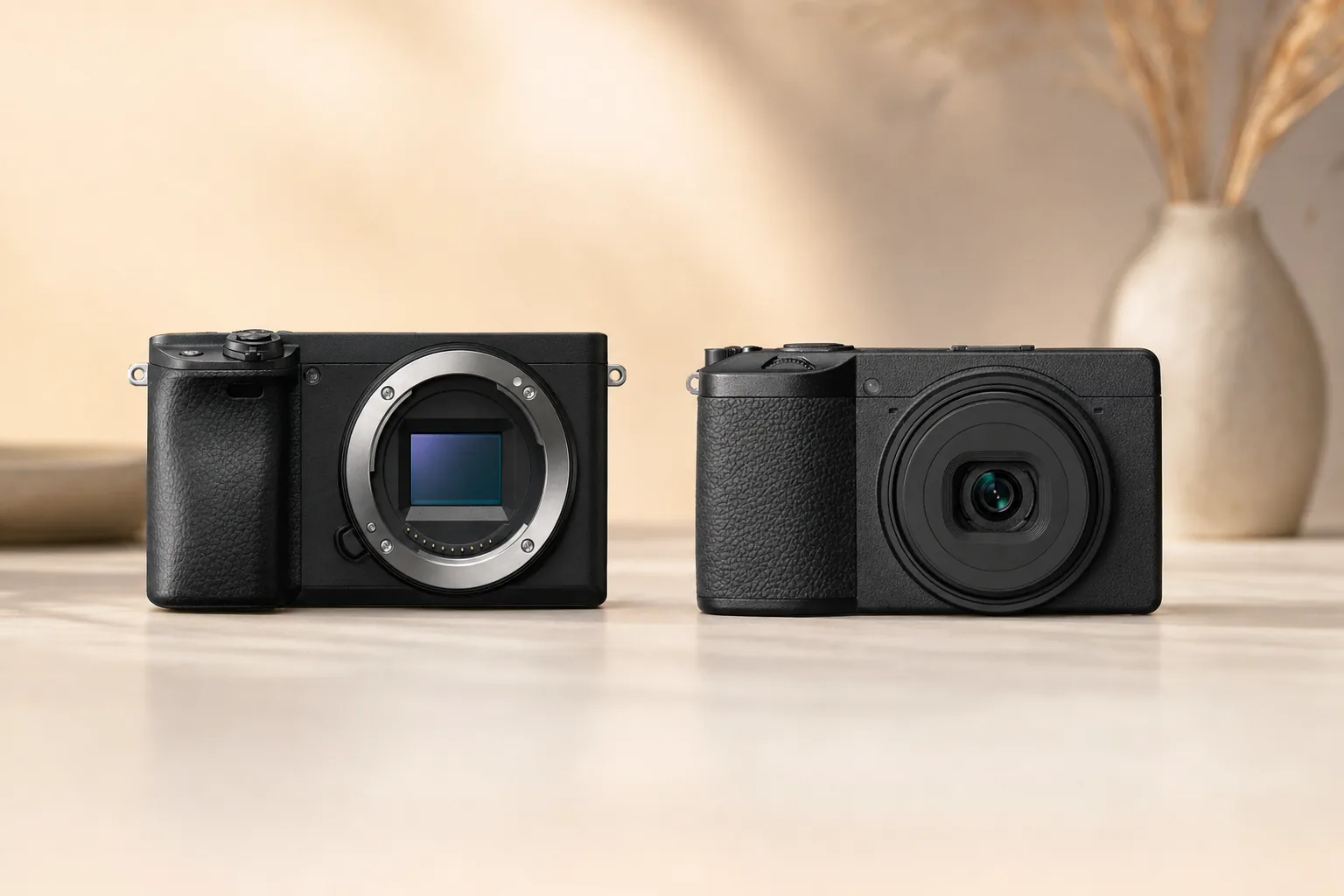
The new vs used camera decision comes down to one trade-off: a used body can save you real money, but a new one buys you certainty. Neither is automatically right.
A clean used camera from a reputable seller can be a genuinely great deal. A brand-new camera from a sketchy gray-market source can be a headache that costs more than buying used cleanly. What matters is knowing what to check before you spend the money.
What you actually get by buying new
Three things: a full manufacturer warranty, zero prior wear, and guaranteed authenticity. For expensive bodies, especially ones you’ll rely on for paid work, that peace of mind is worth a premium. New is also the only path to the latest models where used supply barely exists yet.
What you actually get by buying used
Lower price and access to cameras you can’t buy new anymore. Cameras hold up well, and a gently used body two or three years into its life often performs identically to a new one, for hundreds less. The catch is that condition varies, so you do a little homework first.
Shutter count: the odometer of a camera
For cameras with a mechanical shutter, shutter count is the closest thing to mileage on a used car. Every actuation is one of a finite number the shutter is rated for, often well over 100,000 on enthusiast and pro bodies. A used camera with 8,000 actuations is barely broken in. One with 180,000 is living on borrowed time.
Always ask the seller for the shutter count. Be wary if they can’t or won’t provide it. Note that many modern cameras lean heavily on an electronic shutter that doesn’t accumulate mechanical wear the same way, so a high count matters less on those bodies, but it’s still a useful signal of how hard a camera has been used.
Warranty and where the camera came from
A used camera is usually out of manufacturer warranty, or close to it. That’s the real cost of the savings. Some reputable used dealers add their own limited warranty, which meaningfully de-risks the purchase. A private sale rarely does.
This connects directly to the gray-market problem.
Are used camera warranties worth it?
When the warranty is included by the dealer, yes, and that is most of the value of buying from KEH, MPB, B&H or Adorama instead of a private seller. When it is a paid third-party plan on a body under $1,000, usually no: the plan often costs 10 to 20 percent of the price and excludes the wear and pre-existing faults that used gear actually suffers from. The full breakdown, dealer by dealer, is in are used camera warranties worth it.
Buying new vs used Sony camera equipment: pros and cons
Sony is the easiest system to buy used. The a6000-series and a7-series sold in huge numbers, so supply is deep and prices are competitive, and E-mount lenses hold value well enough that you can resell without losing much. The cons: Sony bodies have gone through several menu and autofocus generations, so a cheap older body can feel dated fast, and Sony’s own refurbished stock is thin compared with Canon’s. Buy a used Sony body two generations old at most, check the shutter count, and put the savings into the lens.
Gray-market risk
Gray-market cameras are genuine units imported outside the manufacturer’s official distribution, often sold new and cheap, which is exactly why they’re tempting. The downside: the manufacturer in your country may refuse warranty service on them, since they were never meant for your market. A price that looks too good on a new camera is sometimes a gray-market unit, not a bargain.
This is why our catalog favors clarity over chasing rock-bottom numbers. When a listing price looks suspiciously low or mismatched, we hold it for review rather than publish it. A wrong or sketchy price doesn’t help anyone.
Where buying used genuinely makes sense
In our catalog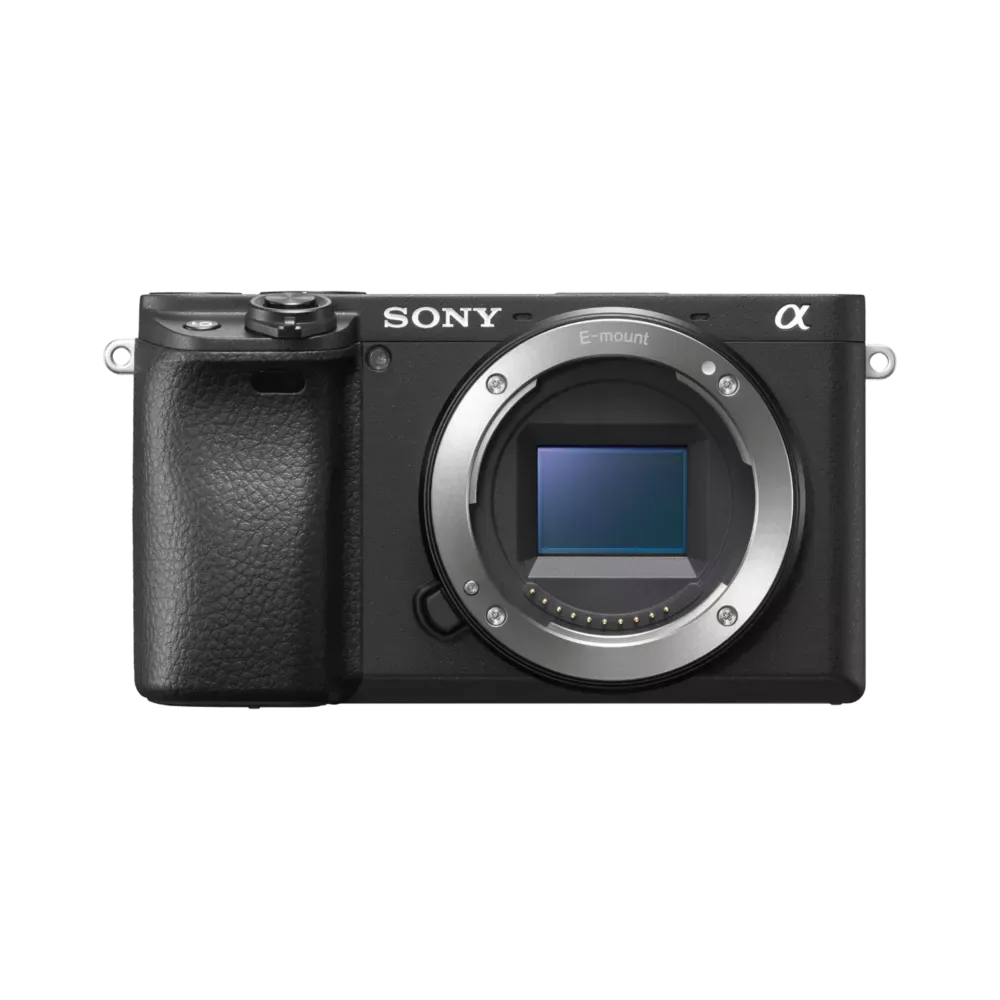 Sony · APS-C · MirrorlessSony a6400from $924See price comparison →
The Sony a6400 is a textbook used-market buy. It’s a capable, popular APS-C mirrorless body that sells around $900 new but regularly turns up around $600-$700 used. Lots of units sold means healthy supply and competitive pricing. Exactly the conditions where used pays off without much risk. For a first serious mirrorless camera, a clean used a6400 is hard to beat on value.
In our catalog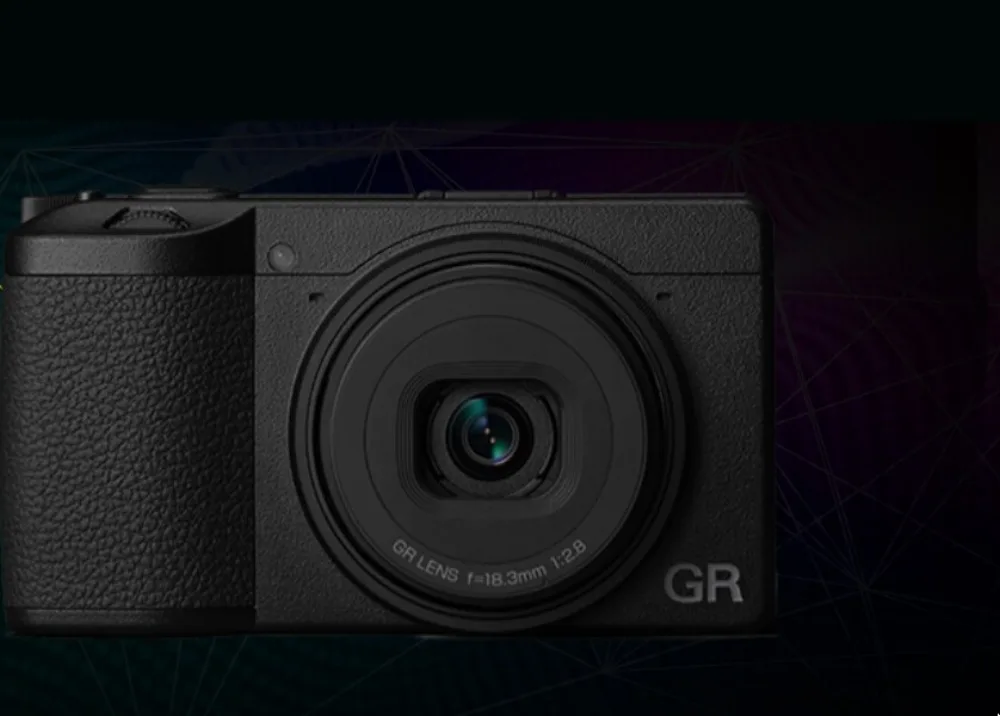 Ricoh · APS-C · CompactRicoh GR IIISee priceSee price comparison →
The Ricoh GR III is the classic discontinued-camera case. Once a model goes out of production, used (or remaining new stock) is often the only option. The GR III is well-loved enough that demand has kept used prices firm, frequently in the $950-$1,050 range despite its age. When a camera is discontinued, used isn’t a compromise, it’s just the market. Inspect condition carefully, because you can’t fall back on a fresh factory unit.
Quick checklist before you buy used
- Ask for the shutter count on bodies with a mechanical shutter
- Confirm what’s included: charger, battery, caps, original box
- Buy from sellers with a track record and, ideally, a return window
- Check whether any warranty (manufacturer or dealer) applies
- Compare the used price against the current new price so you know your actual savings
Bottom line
Buy new when warranty, latest-model access, or guaranteed condition matter most. Buy used to save real money on proven bodies like the a6400, or when a discontinued camera you want, like the GR III, simply isn’t sold new anymore. Either way, check the live prices first so the gap between new and used is a real number you can see before you decide.
Find the camera worth buying
We compare live listed prices and link you straight to the lowest one. No fake discounts.