How We Test and Rank Cameras
An honest look at our methodology: we don't run a lab. We research specs, track live prices, compare cameras fairly, and refuse to show listings we can't trust.
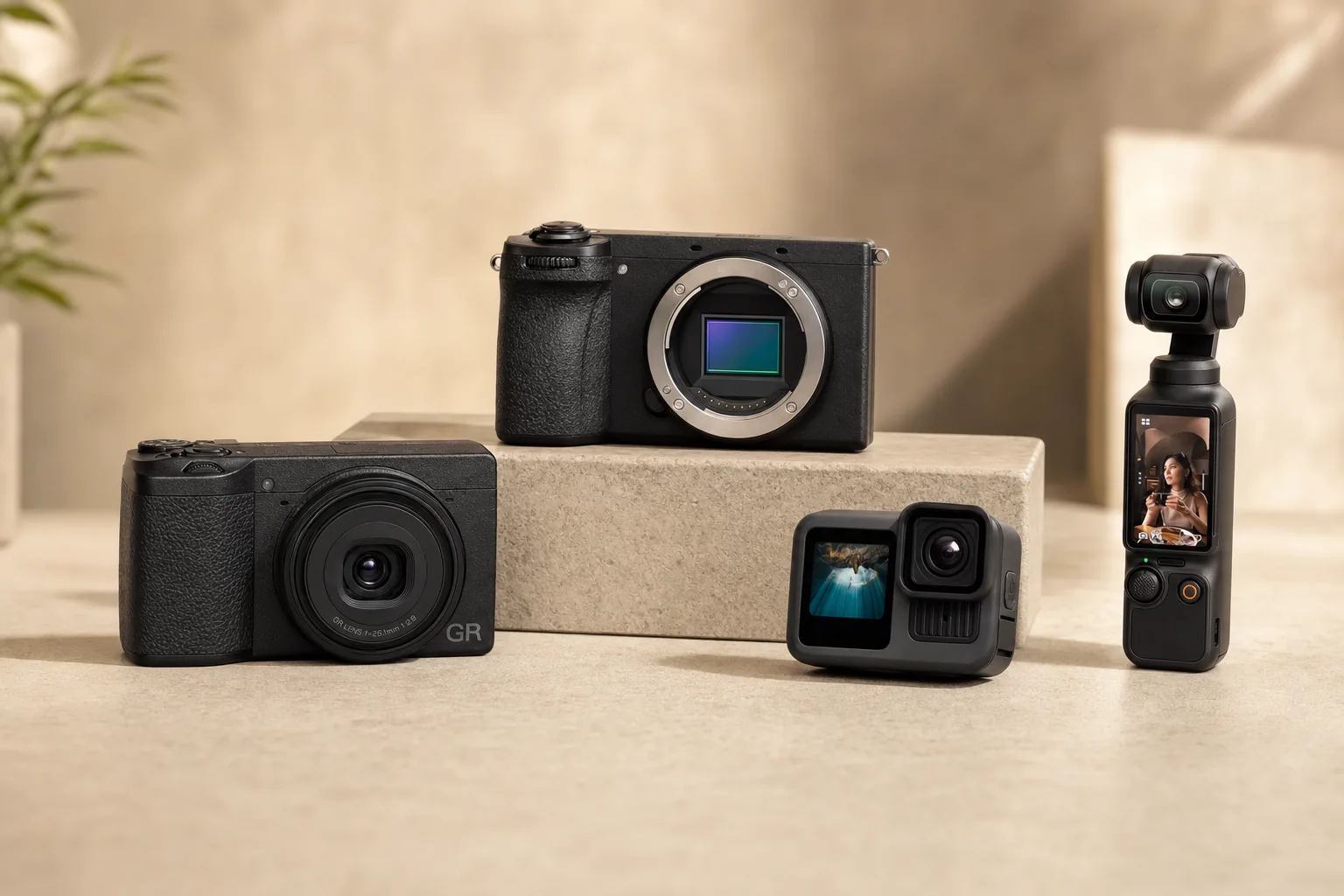
Here’s exactly how we rank cameras: we research published specs, build a structured catalog, track real live prices from multiple sources, and compare cameras against honest alternatives. What we don’t do is pretend to run a testing lab.
Best Deal Cameras is an independent price-comparison site, not a review house with a wall of color charts and test bodies. We’d rather be upfront about that than fake credibility we don’t have. Our value is different: an accurate catalog, live price tracking, and comparisons that point you to the right camera rather than the one that pays the biggest commission.
What “how we rank cameras” actually means here
Ranking for us is about fit and value, not a lab score. When we put one camera ahead of another for a given buyer, it comes down to three things we can actually verify:
- Published specifications from the manufacturer: sensor size, resolution, video modes, stabilization, lens, body type.
- Where the camera sits in the market: its tier, its category, and where it is in its lifecycle.
- The live price you’d pay today: not a launch-day MSRP from two years ago.
A camera that’s technically excellent but wildly overpriced right now can lose to a slightly older model in stock at a fair price. We’ll say that plainly.
The catalog and what each field means
Every camera we cover lives in a structured catalog. That’s what makes fair comparison possible instead of cherry-picking.
- Brand and category tell you what kind of camera it is: action cam, vlog/gimbal, fixed-lens compact, APS-C mirrorless, full-frame mirrorless, or pro body.
- Sensor size (from small action-cam sensors up through 1-inch, Micro Four Thirds, APS-C, and full-frame) is one of the biggest drivers of image quality and price. We surface it everywhere.
- Tier is a rough budget bracket: budget, mid, premium, pro. It sets expectations, not ceilings.
Lifecycle tags: current, previous-gen, discontinued, new
Where a camera sits in its lifecycle changes whether it’s a smart buy today. We tag every model:
- Current: actively sold by the manufacturer. Easiest to buy new, easiest to get warranty and support.
- Previous-gen: a newer version exists, but this model is often still excellent and frequently the better value once the hype moves to the successor.
- Discontinued: no longer in production. You’re mostly buying used or remaining new stock, sometimes at inflated prices when demand outlives supply.
- New: recently released and still settling into the market, where price and availability can be volatile.
These tags do real work. A discontinued compact selling above its old retail price is a very different recommendation than a current model with steady stock.
Price ranges, not invented numbers
For every camera we show a realistic price range that reflects what it actually sells for, including when that reality has drifted from MSRP. If a popular compact is backordered and demand-inflated, we say so in the range instead of quoting a sticker nobody can buy at. No fake “was” prices. No countdown timers. No manufactured urgency.
Live price tracking
On top of the editorial range, we track live prices from real sources on an automatic refresh schedule. eBay listings come through the eBay Partner Network, new-condition items from established sellers. Other prices come from CJ retailers and manufacturer-direct programs. Amazon is a referral link rather than a live price because we can’t pull their feed. We explain all of that in detail on the live-prices page.
When we hold a listing back
Automated price feeds occasionally grab the wrong thing: an accessory, a bundle, or a mismatched listing priced far below the real camera. When a price looks suspicious or doesn’t match the product, we hold it for review instead of publishing it. A flagged-but-hidden listing is better than a confidently wrong one.
What this means for you
When you see a recommendation on Best Deal Cameras, here’s what’s behind it: verified specs, an honest read on lifecycle, a realistic price range, live pricing from sources we can stand behind, and comparisons that include alternatives even when they pay us nothing. No lab coat. No inflated claims. Just a clear catalog and prices you can check yourself.
Find the camera worth buying
We compare live listed prices and link you straight to the lowest one. No fake discounts.