Should I Buy Used Mirrorless or New? The Honest 2026 Answer
Used is usually the better value in 2026, and new only wins when you need the newest autofocus, video, or warranty. Here is how to decide, with the picks we would actually make and the real street prices behind them.
The question is not really used or new. It is whether the specific features you need changed in the last generation or two. If they did not, a used body gets you the same photographs for less money. If they did, new is the only way to get them, and paying for it is rational.
Here is the honest bottom line for 2026: for most buyers, a used or previous-generation mirrorless body is the better value. New makes sense when you need current subject-recognition autofocus, current video modes, a warranty, or a body that just launched and has no used market yet. Everything else is price.
Our advice is the same whether you buy new or used: know the typical street price before you shop, then wait for a real dip. The price is the price. We just help you find the best one.
What actually changes between generations
Sensor size does not change much generation to generation, but autofocus, readout speed, video modes, and connectivity do. If you shoot action, wildlife, kids, or video, those are the things worth paying new prices for. If you shoot landscapes, portraits, travel, or street, a two-generation-old body with a good sensor and decent stabilization still does the job.
Video is the fastest-moving spec. Check the actual recording mode, not just 4K: 4K/60p versus 4K/30p, crop, 10-bit recording, log profiles, and whether the body overheats. A used camera that hits your real video needs is not a compromise.
Stabilization matters for handheld stills and video. Manufacturer ratings are useful for comparison, but they do not guarantee equivalent real-world results. Ergonomics, a sharp viewfinder, battery life, and the lens mount you are buying into often matter more than a modest resolution difference.
If you buy used, inspect carefully
Shutter count, sensor cleanliness, mount wear, ports, card slots, battery health, IBIS noise, and autofocus consistency are the things to check. A used body from a reputable dealer with a return period is generally safer than a private sale. If the seller will not answer basic questions, walk away.
Our picks for this decision
Best new mirrorless if you want a recent generation: Canon EOS R6 Mark II
In our catalog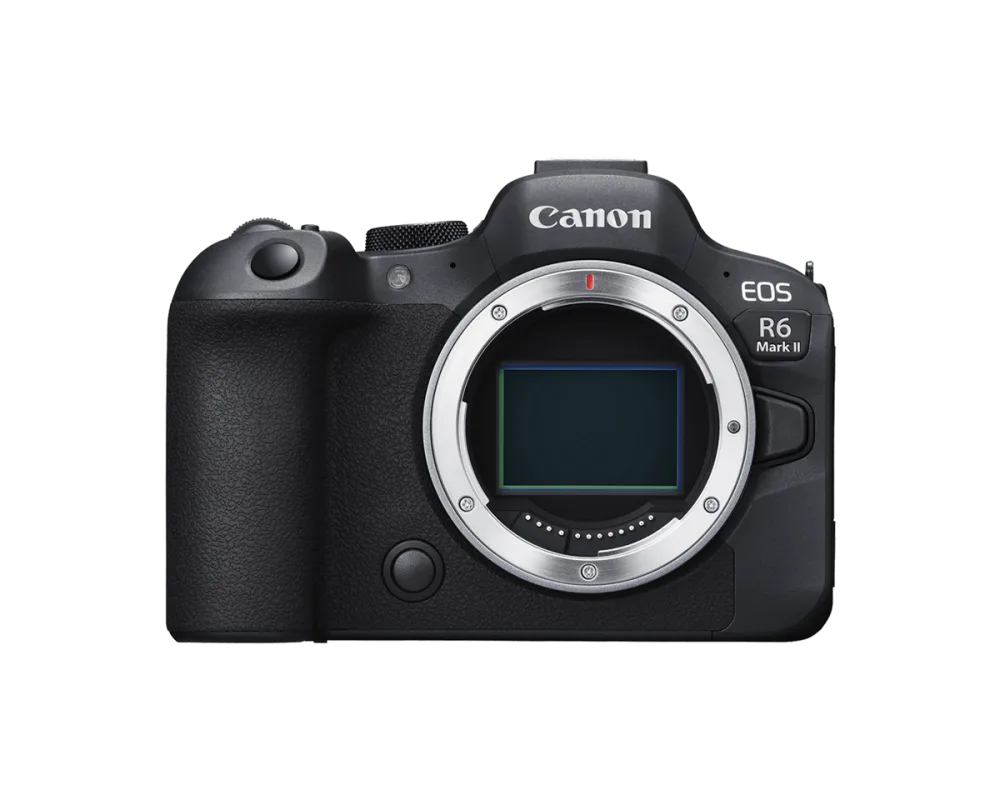 Canon · Full-frame · MirrorlessCanon EOS R6 Mark IIfrom $1,740See price comparison →
This is the body we would point a hybrid shooter to when they want strong autofocus, solid video, and a warranty without paying flagship money. Typical street pricing sits in the $1,900 to $2,100 range. If you need advanced Canon full-frame features and do not want to gamble on a used body, this is the safe new buy.
Best value full-frame if you are weighing used against new: Nikon Z5 II
In our catalog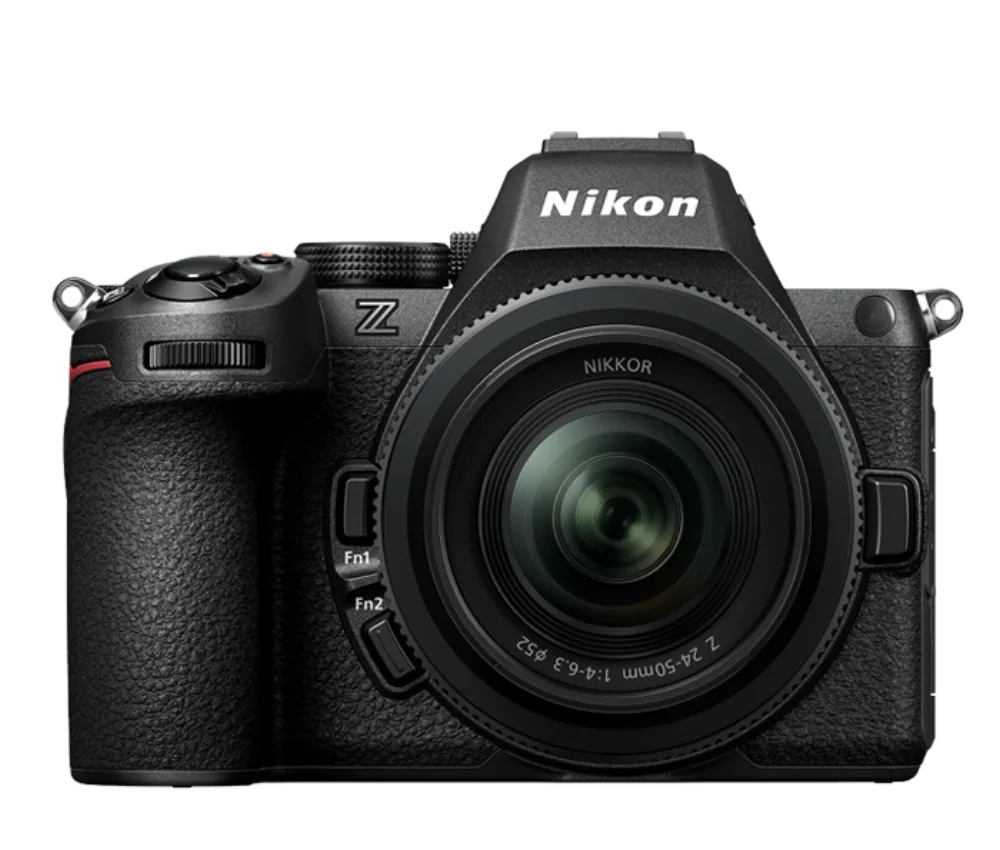 Nikon · Full-frame · MirrorlessNikon Z5 IIfrom $1,500See price comparison →
A current full-frame body at a value-oriented price changes the math. Typical street pricing runs about $1,500 to $1,700. When new pricing gets this close to used pricing on older full-frame bodies, the warranty and current support often tip the decision toward new.
Best APS-C all-rounder, new or used: Sony a6700
In our catalog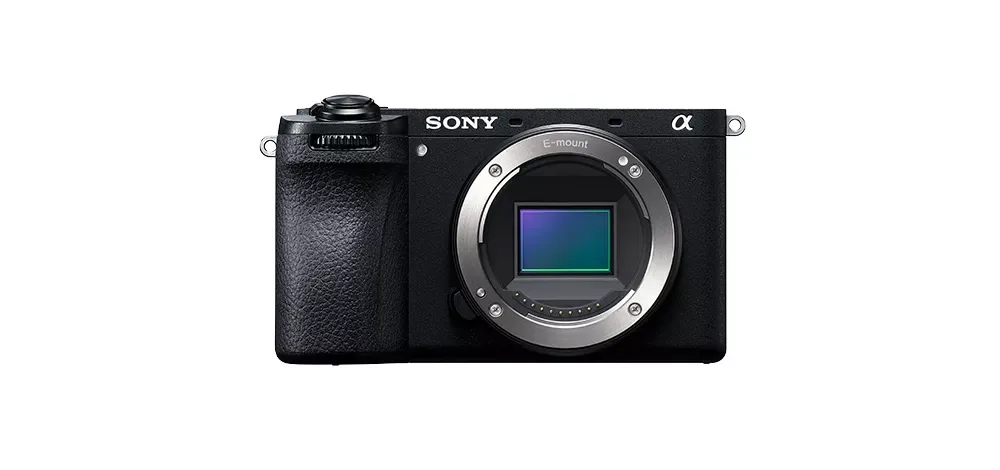 Sony · APS-C · MirrorlessSony a6700from $1,319See price comparison →
Typical street pricing is around $1,300 to $1,500. Sony’s E-mount lens ecosystem is deep and there is a healthy used market for lenses, which lowers your total system cost either way. If you find a clean used copy well under new pricing, that is a strong value play.
Best for beginners who want to start new: Canon EOS R50
In our catalog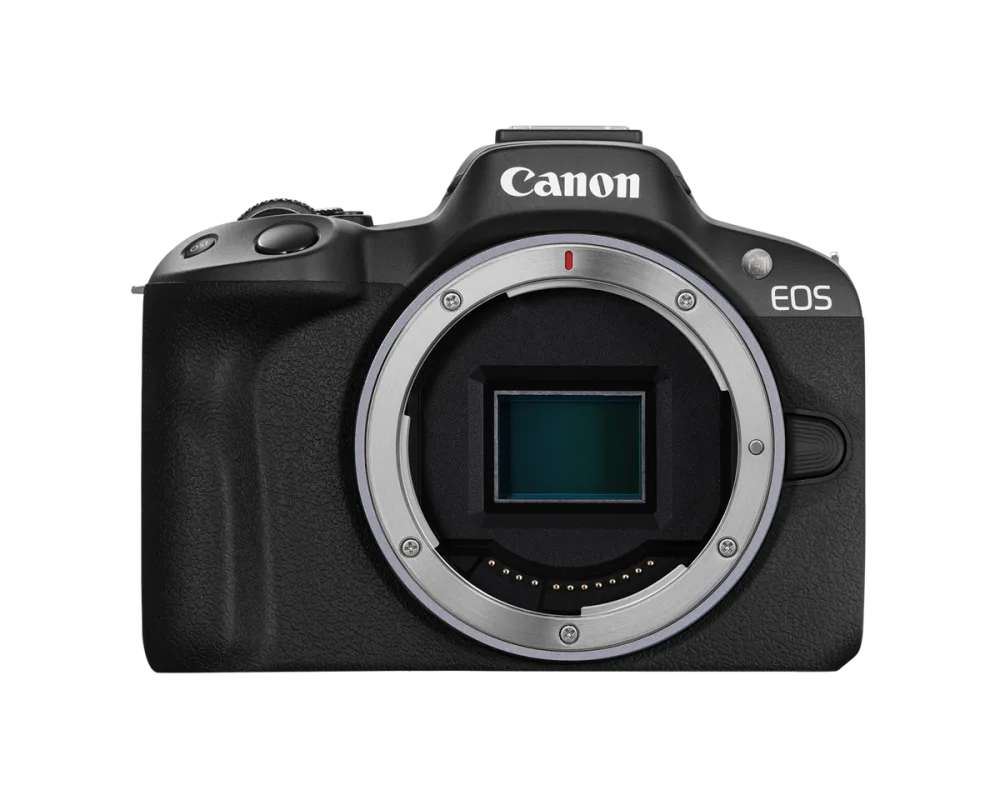 Canon · APS-C · MirrorlessCanon EOS R50from $650See price comparison →
Typical kit pricing runs about $700 to $850. At this price, the gap between new and used is small enough that a warranty and a clean body are usually worth it. This is the case where we would tell a first-time buyer to just go new.
Best budget mirrorless if you are shopping used: Canon EOS R10
In our catalog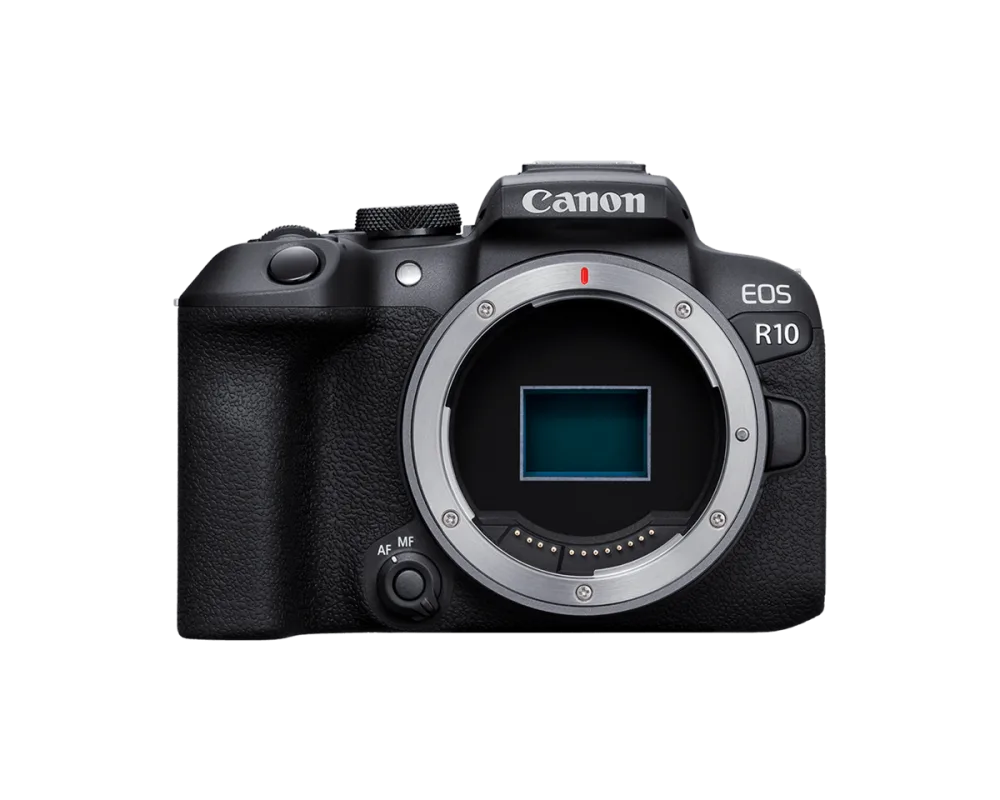 Canon · APS-C · MirrorlessCanon EOS R10from $868See price comparison →
Typical street pricing is around $900 to $1,100. This is a body where a used copy can make real sense, because the feature set has not changed dramatically and the savings can go toward a lens.
Best for travel, where used value is strong: Fujifilm X-S20
In our catalog Fujifilm · APS-C · MirrorlessFujifilm X-S20from $1,329See price comparison →
Typical street pricing is about $1,300 to $1,400. Fujifilm bodies hold up well, and a used copy in good condition can be a smart way into the system without paying current retail.
How to decide in one pass
Ask three questions. Do you need the newest autofocus and video modes? Do you need a warranty? Is the used price actually far enough below new to justify the risk? If the answer to the first two is no and the third is yes, buy used. If any answer flips, buy new.
One more thing: do not trust a fake was price. Inflated MSRPs and invented discounts are everywhere. Compare the real current price across retailers before you commit. We track prices across major retailers and direct from manufacturers, and we point you to the best available one. If you use our links, it costs you nothing extra.
Price history and drop alerts are in development, and we are collecting data now, so you can soon see whether today’s price is actually a dip or just the normal street price. Until then, the rule stands: know the typical price, be patient, and pounce when it drops.
Find the camera worth buying
We compare live listed prices and link you straight to the lowest one. No fake discounts.