Camera Sensor Sizes Explained: Full Frame, APS-C, Micro 4/3 and 1-Inch
The sensor is the single most important spec in any camera, and the one most buyers misunderstand. Here is what each size actually changes for you.
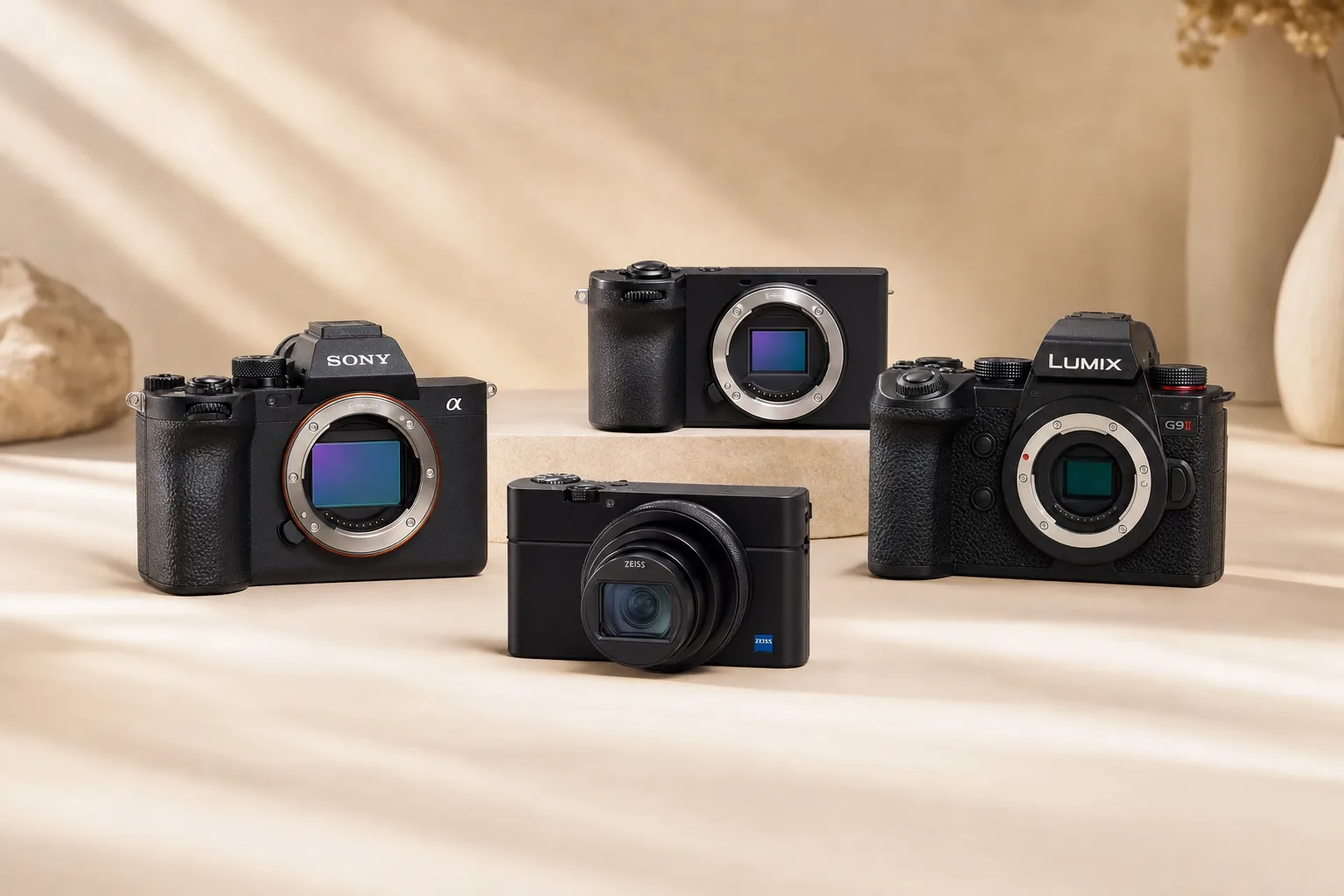
Camera sensor sizes explained simply: the sensor is the single biggest factor in a camera’s image quality, and the four you’ll actually shop are full frame, APS-C, Micro Four Thirds, and 1-inch. Bigger sensors gather more light: cleaner low-light images, shallower background blur, more cropping room. Smaller sensors make the whole camera and its lenses smaller, lighter, and cheaper. That’s the entire trade.
Think of the sensor like the size of a window. A bigger window lets in more light and shows more of the scene with less effort. Everything else follows from that.
The four sensor sizes that matter
Full frame (~36 x 24mm)
The largest common sensor, matching a frame of old 35mm film. Full frame delivers the best low-light performance, the easiest shallow depth of field, and the most resolution headroom. The cost is size, weight, and money: full-frame bodies and especially their lenses are the biggest and priciest in the lineup. It’s the choice of professionals, low-light event shooters, and anyone printing large.
APS-C (~23.5 x 15.6mm, ~22.3 x 14.9mm on Canon)
The sweet spot for most enthusiasts. APS-C gives you most of full frame’s quality (same modern autofocus, excellent image) with a roughly 1.5x crop factor (1.6x on Canon), smaller lenses, and a much friendlier price. For travel, everyday shooting, and a lot of pro work, APS-C is more than enough. We go deep on this in APS-C vs full frame.
Micro Four Thirds (~17.3 x 13mm)
Smaller again, with a 2x crop factor. Micro Four Thirds trades a little low-light and depth-of-field capability for a genuinely compact system: small bodies, small lenses, and that 2x crop makes telephoto reach cheap and light, which is exactly why wildlife and travel photographers love it. The better bodies in this format offer excellent in-body stabilization and weather sealing to compensate.
1-inch (~13.2 x 8.8mm)
The largest sensor that fits in a true pocket camera. A 1-inch sensor is dramatically better than a phone or old point-and-shoot sensor, with a roughly 2.7x crop factor. It’s the reason the best pocket vlogging cameras and premium compacts look so much better than their size suggests. You trade the low-light ceiling and background-blur depth of the larger formats for a camera that lives in your pocket.
What sensor size actually changes for you
Five things, everything else being equal:
- Low-light quality. Bigger sensor, more light collected, cleaner images in the dark. The most visible real-world difference.
- Background blur. Bigger sensors make the blurry-background look easier to achieve at the same framing.
- Crop factor and reach. Smaller sensors crop into the lens’s view, framing tighter. Drawback for wide shots, free bonus for telephoto reach.
- Camera and lens size. Bigger sensor demands bigger glass. This compounds: a full-frame telephoto can be enormous. An equivalent Micro Four Thirds lens is manageable.
- Price. Larger sensors cost more to make and demand larger, pricier lenses. System cost scales with sensor size, not just the body.
One thing that’s not on this list: resolution. Megapixels are largely independent of sensor size. A 1-inch sensor and a full-frame sensor can both be 24MP. The full-frame version’s pixels are simply larger, which is why it handles low light better. Don’t shop on megapixels alone.
Sensor size comparison table
| Sensor | Approx. dimensions | Crop factor | Low light | Typical use |
|---|---|---|---|---|
| Full frame | 36 x 24mm | 1.0x | Best | Pro, low-light events, big prints |
| APS-C | 23.5 x 15.6mm | ~1.5x (1.6x Canon) | Very good | Enthusiast all-rounder, travel |
| Micro Four Thirds | 17.3 x 13mm | 2.0x | Good | Compact systems, wildlife reach |
| 1-inch | 13.2 x 8.8mm | ~2.7x | Fair | Premium compacts, pocket vlogging |
A real camera at each level
Full frame, what the biggest common sensor pairs with, in both capability and price:
In our catalog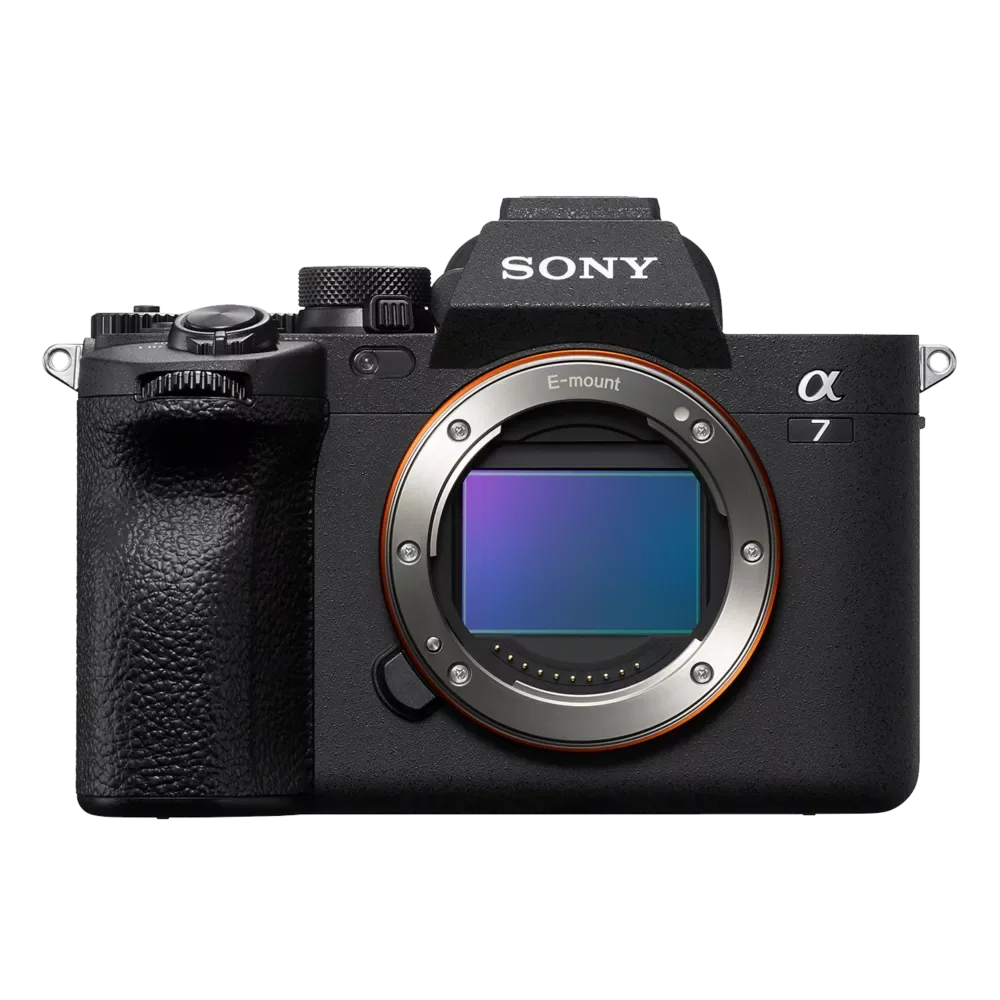 Sony · Full-frame · MirrorlessSony a7 IVfrom $1,998See price comparison →
APS-C, most of the quality, fraction of the cost, and the format most enthusiasts should start with:
In our catalog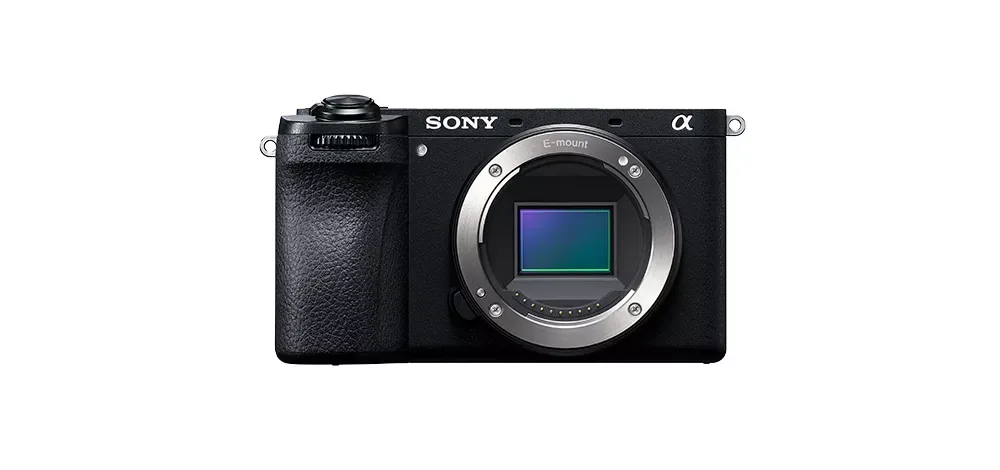 Sony · APS-C · MirrorlessSony a6700from $1,319See price comparison →
Micro Four Thirds, the same advanced shooting capability in a genuinely smaller system:
In our catalog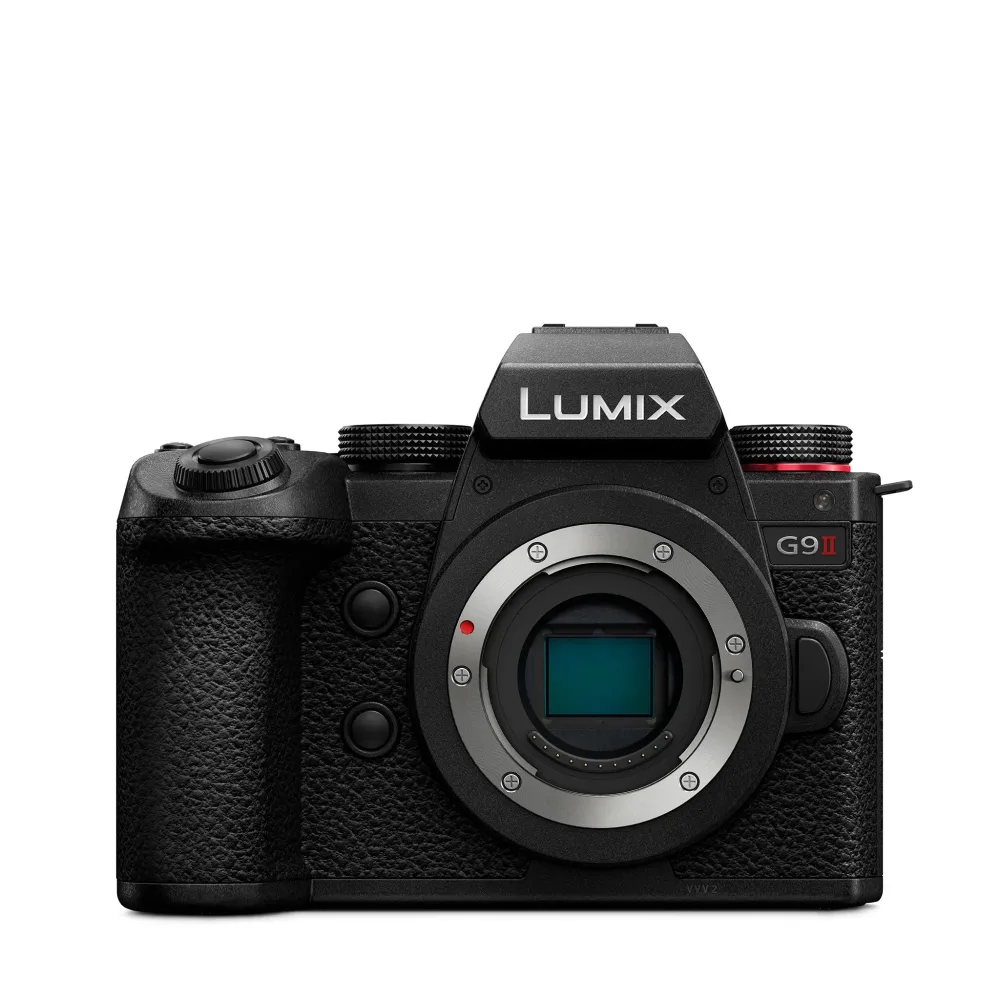 Panasonic · Micro 4/3 · MirrorlessPanasonic Lumix G9 IIfrom $1,498See price comparison →
1-inch, how much image quality fits in a pocket when the sensor is right:
In our catalog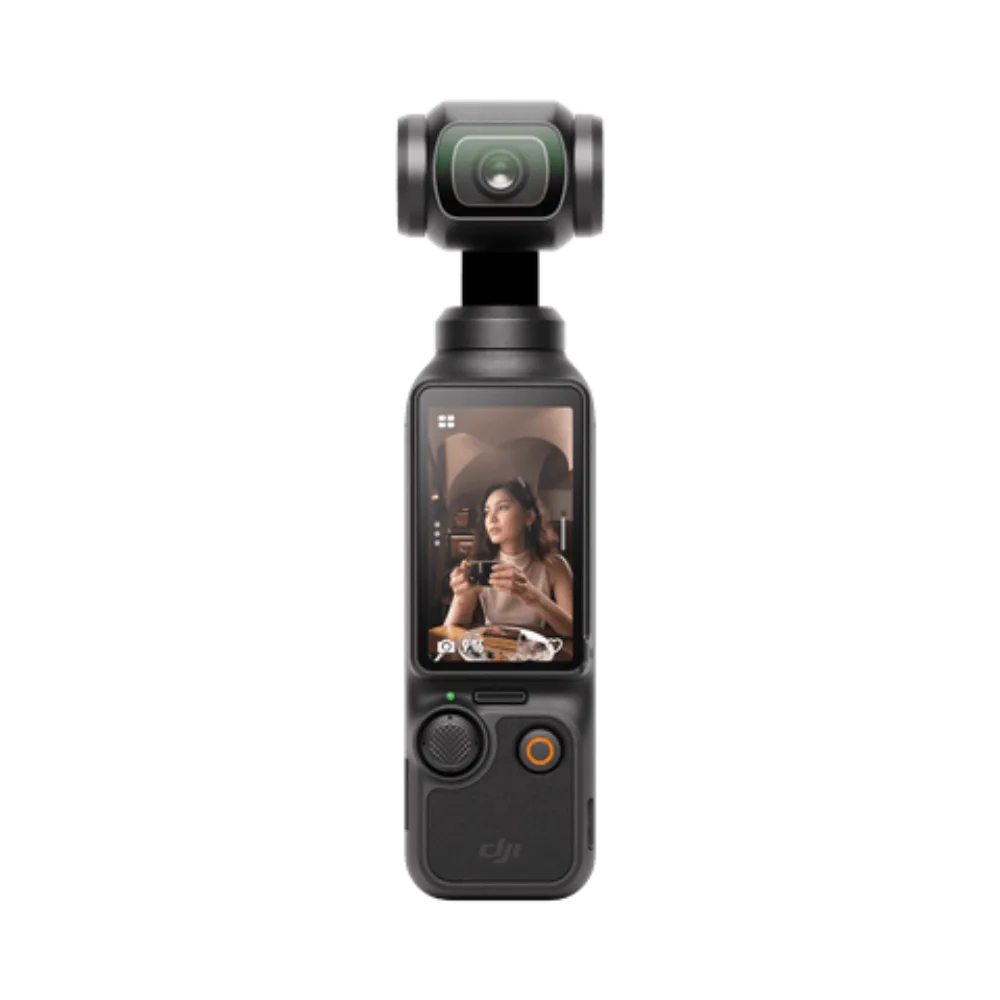 DJI · 1-inch · ActionDJI Osmo Pocket 3$439See price comparison →
Which sensor size should you choose?
- Full frame: if you shoot in low light for a living, need the shallowest depth of field, or print large. Be ready for the size and cost of the lenses.
- APS-C: if you’re most people. Excellent image quality, modern autofocus, and a kit that stays affordable and portable. The best balance on this list.
- Micro Four Thirds: if you prize a small, light, weather-sealed system and want cheap telephoto reach. Great for travel and wildlife hobbyists.
- 1-inch: if pocketability is non-negotiable and you want a massive step up from a phone without carrying a system.
Bottom line
Sensor size is the most important camera spec, but bigger isn’t automatically better: it’s a trade of quality against size, weight, and cost. Match the sensor to where and how you shoot, and the rest of the decision gets much easier.
Find the camera worth buying
We compare live listed prices and link you straight to the lowest one. No fake discounts.