The Best Camera for Wildlife Photography in 2026: Honest Picks & Real Prices
Wildlife photography punishes cameras. We track the market to find the bodies with the autofocus, burst speed, and reach that actually deliver, and the real street prices to match.
The real question isn’t ‘which camera has the most megapixels?’ It’s ‘which camera can lock onto a bird’s eye, hold it through a burst, and keep up when the subject bolts?’ That’s the bar wildlife photography sets. For serious shooters, the Nikon Z8 is a standout choice in 2026, but you don’t have to spend that much to get real capability. The Canon EOS R7 offers strong value, and the OM-1 Mark II is a solid fit for hikers.
WHAT ACTUALLY MATTERS IN A WILDLIFE CAMERA
Wildlife is fast, distant, and often active in bad light. Four things matter more than anything else: autofocus that can detect and track animal and bird eyes, a burst rate fast enough to catch split-second moments, a buffer deep enough to shoot through a sequence, and enough sensor reach to fill the frame when you can’t get close. Weather sealing counts too when you’re standing in the rain waiting for something to move.
AF consistency can matter more than resolution. A camera that locks an eye and holds it, frame after frame, is extremely valuable. Many photographers find that 20-30MP is plenty for most wildlife work; go higher if you plan to crop heavily, but resolution isn’t the only headline number to consider.
TOP PICK FOR WILDLIFE: NIKON Z8
The Z8 is a top choice for photographers who want a pro-tier wildlife body without the price and bulk of a gripped flagship. It pairs a 45.7MP full-frame sensor with 493 autofocus points, animal AF, and a 20 fps RAW burst (30 fps JPEG). That’s a lot of crop room and a lot of keepers. The body is sealed against dust and moisture, and stabilization is strong, so it behaves well in the field. It’s the most expensive pick here, but if you do this seriously, it’s the one we’d fund first. Pricing varies by retailer, so check current listings.
In our catalog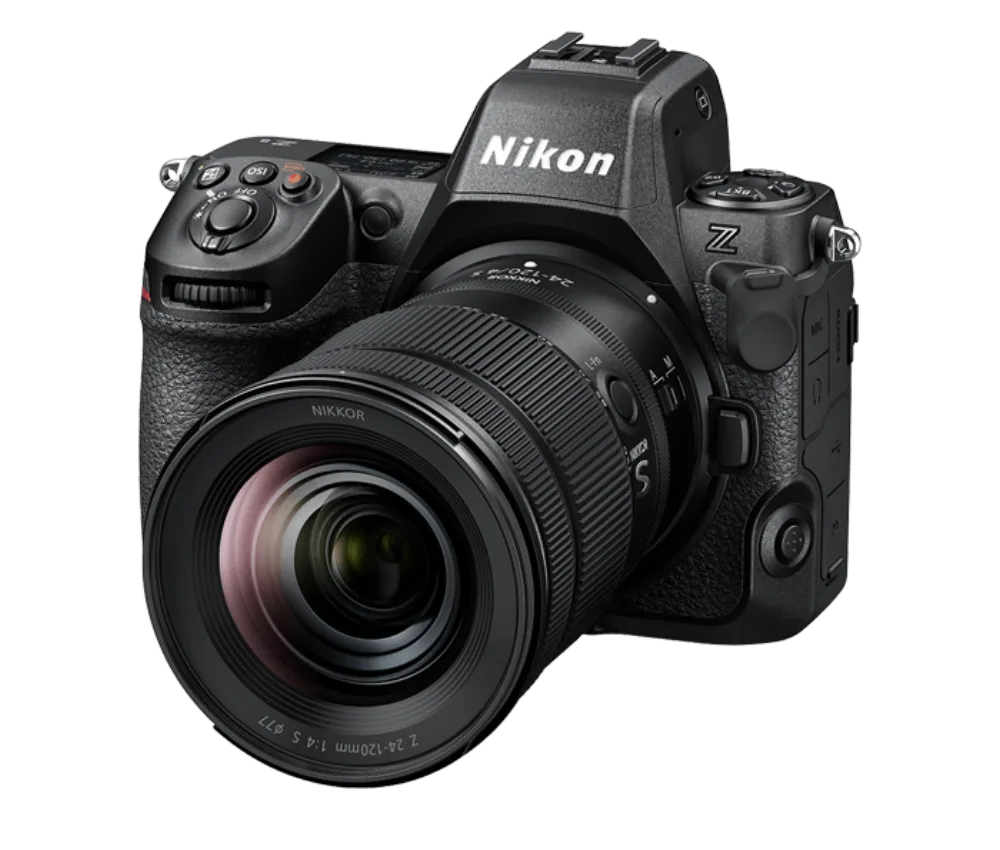 Nikon · Full-frame · MirrorlessNikon Z8from $3,023See price comparison →
BEST VALUE APS-C FOR WILDLIFE: CANON EOS R7
The R7 is a pick that overdelivers at its price point. It’s an APS-C body with a 32.5MP sensor and a 30 fps electronic shutter, so it’s fast enough to catch takeoff and landing. The crop factor gives any telephoto lens more effective reach, which is exactly what you want for birds and distant animals. Canon’s subject detection is well-regarded in this class. The body has some weather resistance, though not to the level of pro models. It’s well-built for the money, and pricing varies by retailer; check current deals. Pair it with a solid telephoto and you’ve got a serious wildlife kit for a fraction of the full-frame cost.
In our catalog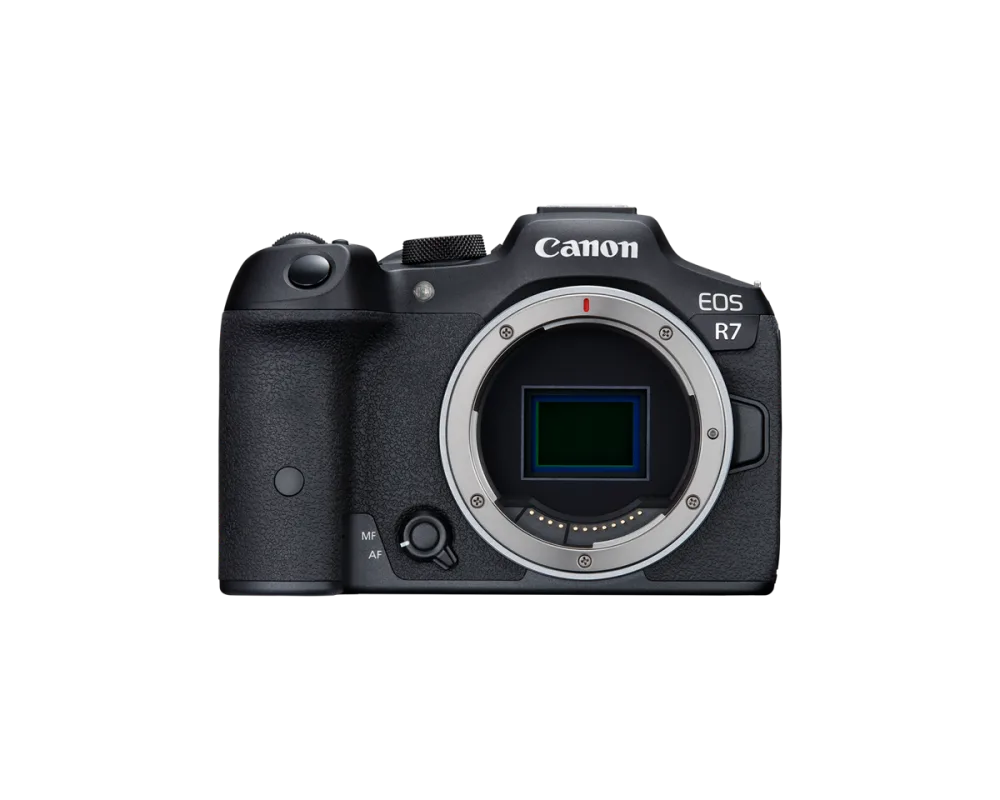 Canon · APS-C · MirrorlessCanon EOS R7See priceSee price comparison →
MOST PORTABLE WILDLIFE BODY: OM SYSTEM OM-1 MARK II
If your wildlife photography involves backcountry miles, the OM-1 Mark II deserves a look. The Micro Four Thirds sensor has a 2x crop factor, so lenses reach further than on APS-C bodies, and the 20MP stacked sensor reads out fast. The bird/animal subject detection is genuinely capable, and the body is weather-sealed and more compact than full-frame options. That combination makes it a great choice when packing weight and size are deciding factors. Pricing varies by retailer; check current listings.
In our catalog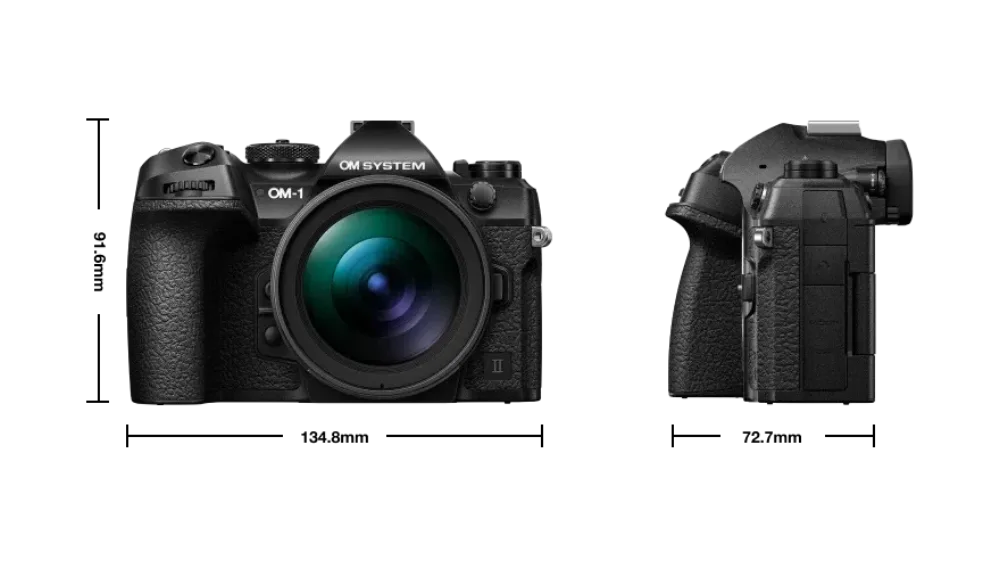 OM System · Micro 4/3 · MirrorlessOM System OM-1 Mark IIfrom $2,000See price comparison →
THE EXTREME-ACTION ALTERNATIVE
If your subject is literally racing (think cheetahs, racehorses, or motor sports), the Sony a9 III is an extreme option: a global shutter that reads out the entire sensor at once, eliminating rolling-shutter distortion, with speeds up to 120 fps. It’s a niche tool built for this kind of shooting, and it’s the most expensive body here. We’d suggest it only if you already own good Sony glass and need the absolute fastest readout. For almost everyone, the Z8 gets you close enough.
BUDGET REALITY CHECK
If you’re just starting out, the Canon R50 and R10 are entry-level APS-C bodies that many new photographers use for occasional wildlife shooting, but we’d honestly recommend saving a bit more for the R7. Its faster burst and more dependable autofocus will pay for themselves in keepers the first time you go after birds.
THE PRICE TRUTH
Camera prices fluctuate throughout the year and across retailers. We encourage you to compare current deals from major outlets like Amazon, eBay, manufacturer stores, and other retailers. Deals often appear when a replacement model is announced or during major sales events. Be patient, and when you see a price that fits your budget, that’s the time to act.
We haven’t tested these cameras in a lab. That’s not what we do. These are the picks we’d make based on how the specs and market consensus line up for wildlife shooters. We think they’re the ones worth your money.
Find the camera worth buying
We compare live listed prices and link you straight to the lowest one. No fake discounts.