Full Frame vs Crop Sensor Mirrorless for Beginners: What Actually Matters in 2026
Sensor size is the wrong first question. Here is what a beginner should weigh, plus the APS-C and full-frame bodies worth their typical street price right now.
The question beginners often ask is not just “which sensor is better.” It is “am I about to spend $1,500 on the wrong thing?” Fair. Sensor size is the loudest spec in the room and rarely the one that decides whether you enjoy the camera.
Here is the honest bottom line. Full frame buys you cleaner files in low light and easier background blur, and it costs more in every direction: body, lenses, bag, back. APS-C (the crop sensor) buys you a smaller, lighter, cheaper system that still looks like a real camera and not a phone. For most first-time buyers in 2026, APS-C is the smarter starting point. Full frame is the right call when you already know you shoot in bad light or want that shallow look, and you are willing to consider the system cost, not just the body cost.
What matters more than sensor size
Autofocus. Modern subject detection and eye tracking do more for a beginner’s keeper rate than a bigger sensor. A camera that locks onto a face while your kid runs at you is worth more than one stop of high-ISO headroom.
Handling and screen. A fully articulating or tilting rear screen, menus you can read without a manual, and a body that does not tire your hand. You will shoot more with the camera that is pleasant to hold.
Lenses. The system you are buying into matters more than the body you start with. Cheap kit zooms to learn on, a fast prime later for portraits and low light. Whether an APS-C body can take full-frame lenses depends on the mount and the specific lens, not the sensor size alone, so check compatibility for the system you are considering before you count on it as an upgrade path.
Price tiers, roughly. Under $700 gets you a capable APS-C starter kit. $700 to $1,200 gets you better autofocus and video. Full-frame kits generally cost more, and lenses add another budget line to watch. Treat those as ranges, not rules, and confirm current pricing before you commit.
Our picks
Best APS-C all-rounder for beginners
In our catalog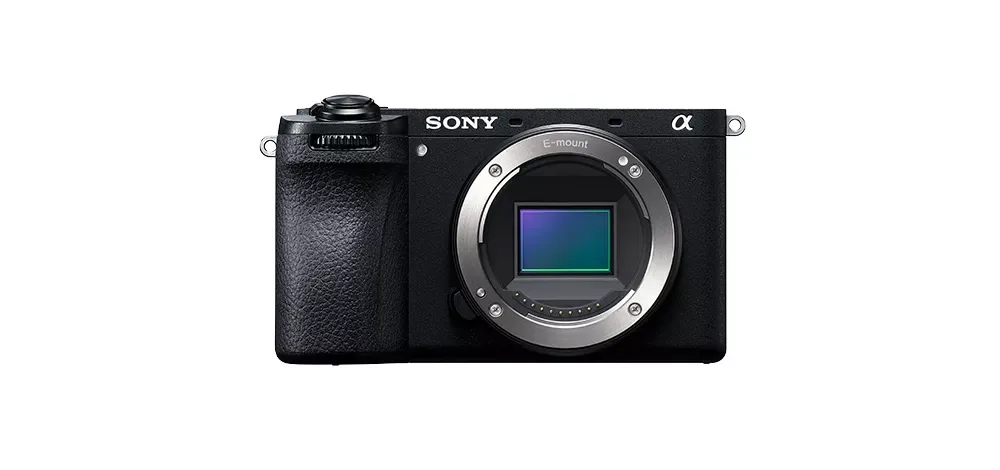 Sony · APS-C · MirrorlessSony a6700from $1,319See price comparison →
If you want one body that grows with you, this is the one we would point a beginner toward. Strong autofocus and tracking, a deep lens ecosystem, and a size that still gets carried. It costs more than the budget picks below, and it is the one most likely to still feel right in three years. Check current pricing before you buy.
Best for beginners
In our catalog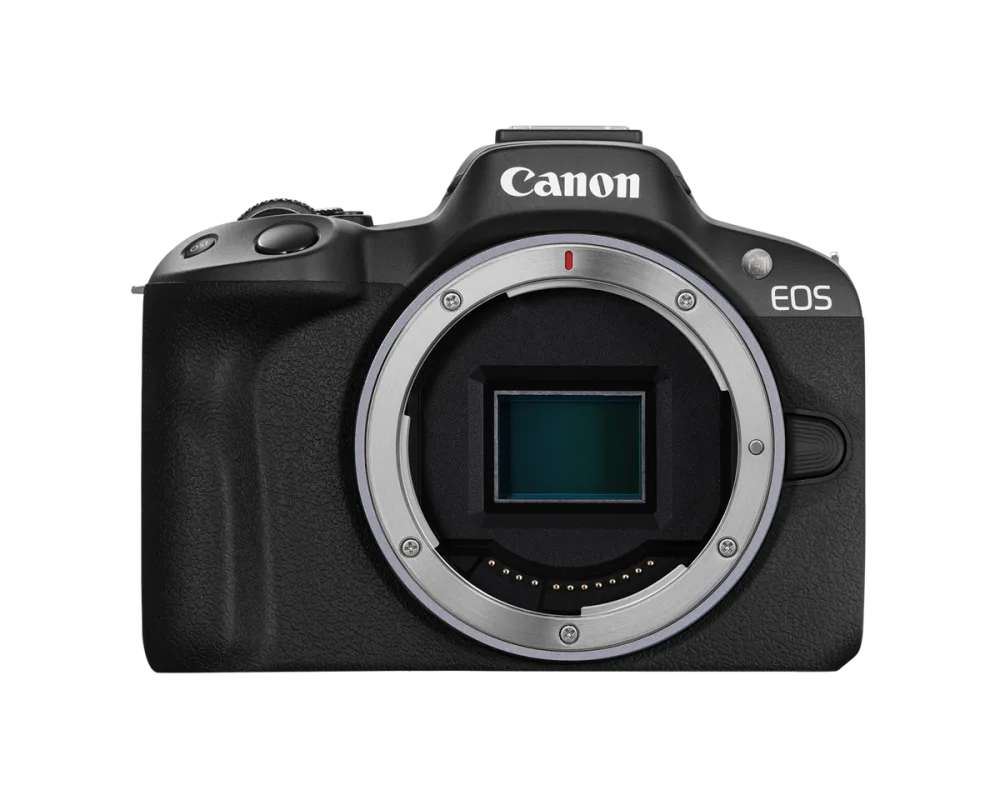 Canon · APS-C · MirrorlessCanon EOS R50from $650See price comparison →
The simplest answer to “what should I buy first.” Light, easy menus, reliable autofocus, and a price that does not punish a mistake. It is often available at a friendly entry price, and it’s worth watching for a sale. If you are not sure you will stick with the hobby, start here and spend the difference on a lens later. Check current pricing before you buy.
Best value full-frame
In our catalog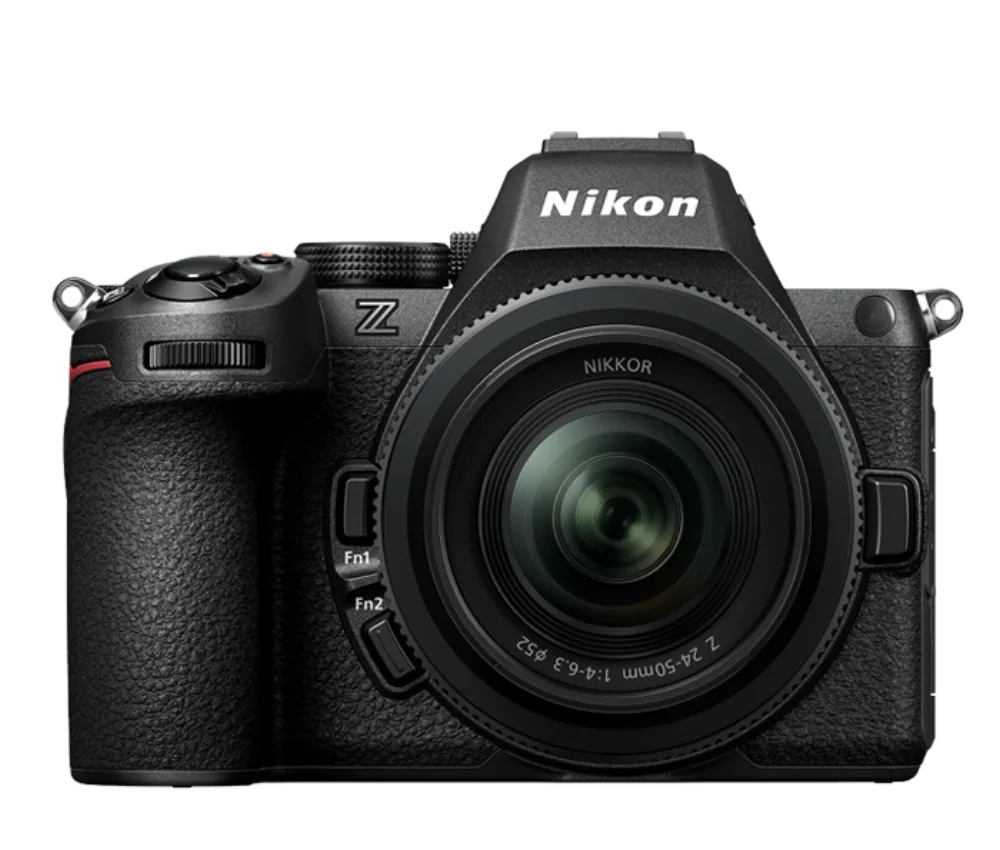 Nikon · Full-frame · MirrorlessNikon Z5 IIfrom $1,500See price comparison →
The full-frame pick for a beginner who has decided they want full frame. It is an entry-level full-frame mirrorless body from a major brand, which makes it an accessible way into the system. You are buying low-light headroom and easier background blur. Budget for lenses, because that is where full frame quietly gets expensive. Check current pricing before you buy.
Best budget mirrorless
In our catalog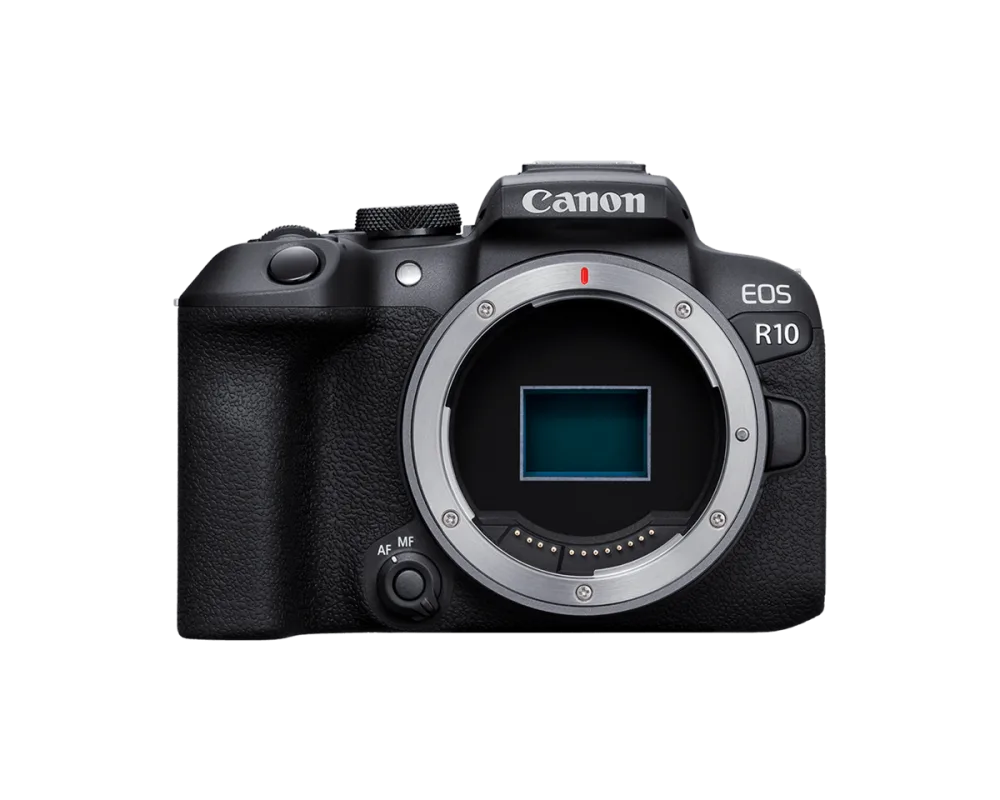 Canon · APS-C · MirrorlessCanon EOS R10from $868See price comparison →
A step up from the R50 in handling and controls, still APS-C, still reasonable. Worth it if you want more direct control sooner and do not want to rebuy a body in a year. Check current pricing before you buy.
Best for travel
In our catalog Fujifilm · APS-C · MirrorlessFujifilm X-S20from $1,329See price comparison →
APS-C, compact, and pleasant to carry, which is the whole point of a travel camera. If your shooting happens on trips rather than at home, this is the trade we would make over a heavier full-frame kit. Check current pricing before you buy.
The tradeoffs, plainly
Full frame can give better low-light performance and shallower depth of field for the same framing and aperture, though the difference depends on the specific sensor and lens. It often means larger lenses, heavier bags, and higher prices across the board. APS-C gives up some of that low-light edge and can make it harder to get the same shallow background blur, and in return you get a system you can afford to build out. Neither is a mistake. Buying full frame and then only affording the kit lens is the mistake.
Megapixels are not the tiebreaker. Most current beginner bodies sit in a similar range, and at that level resolution is rarely what limits a new photographer. Autofocus, lenses, and whether you actually bring the camera are what limit you.
On price, our position is simple. Ignore the crossed-out “was” prices and the invented percentages. Know the typical street range for the body you want, then wait for a real dip rather than a manufactured one. New is rarely necessary, and last year’s model at a genuine discount is often the better buy.
Compare listed prices →
If you are still deciding between sensor sizes, start with the R50 or the a6700 and put the savings into a lens. If you already know you want full frame, the Z5 II is the honest entry point. Either way, buy the price, not the pitch.
Find the camera worth buying
We compare live listed prices and link you straight to the lowest one. No fake discounts.