Is It Safe to Buy Used Cameras and Lenses? What to Check Before You Pay (2026)
Yes, buying used is safe when you check five things: sensor, shutter, autofocus, glass, and provenance. Here is the exact checklist we would run, plus the models where used makes the most sense.
Short answer: yes, buying used is safe, and for a lot of buyers it is the smarter move. But safe is not automatic. It is a checklist, and the checklist is short. Functional condition, optical condition, compatibility, provenance, price. Get those five right and the risk drops to roughly the same level as buying new from a retailer with a return window.
What you should not do is let cosmetics drive the decision. A scuffed body that passes every test beats a pristine body with no testing evidence. Wear on the outside tells you almost nothing. A bent mount, a failing shutter, or fungus inside a lens tells you everything.
Here is how we would think about it.
The body: five checks that catch most problems
Sensor first. Set the camera to a small aperture, roughly f/16 to f/22, point it at an evenly lit white wall or a clear sky, and shoot at base ISO and again at a high ISO. Then look at the files on a computer, not the back screen. Persistent dark spots, lines, banding, or hot pixels are the things that matter. Ordinary dust is usually cleanable. Column defects and severe banding are not.
Shutter count next. Pull it from the camera or a manufacturer-compatible utility where one exists. Do not trust the file number or EXIF alone, because both can be reset. Compare the count against the model’s rated shutter life, and treat that rating as a durability target, not a guarantee. Then fire slow and fast speeds and confirm exposure is consistent with no sticking or odd noise.
Autofocus. Test single-shot and continuous, face and eye detection, and tracking, in bright light and in dim light. Use subjects at different distances and inspect at 100 percent for front focus, back focus, or hunting.
Mount and stabilization. The lens mount should not be loose, bent, cracked, or heavily worn. Turn stabilization on and off and listen for anything abnormal.
Controls and ports. Every dial, button, switch, touchscreen area, card slot, battery door, hot shoe, mic and headphone socket, USB port, and HDMI port. Confirm the body charges correctly and does not shut down unexpectedly during stills or video. Record a short clip in the camera’s main modes and watch for overheating warnings and audio problems.
Finally, provenance. Check the serial number on the body and, where available, the box or receipt. Confirm it has not been removed or altered. Buy from a seller or platform that offers a return period. Gray-market coverage can differ from locally authorized stock, so know which one you are buying.
The lens: where the real money hides
Glass first, under oblique light. Minor external dust usually has little visible effect. Scratches, coating damage, haze, fungus, and element separation are the serious ones. Fungus typically shows as branching or web-like growth. We would avoid it unless the lens is priced as a parts item or you have already priced the cleaning.
Internal dust is normal in many zooms and often does not affect photographs. Large particles, clumps, or haze are a different story.
Then the mechanics. Focus and zoom rings should turn smoothly with no grinding, tight spots, excessive play, or slipping. Test minimum focus, infinity, and the full zoom range. On DSLR lenses, confirm the aperture blades move promptly and evenly and are free of oil, then shoot at several apertures. On electronic lenses, confirm the camera changes aperture correctly.
Test autofocus near and far, in good light and low light, and check for hunting or grinding. Check the mount for bent flanges, loose screws, damaged locking tabs, corrosion, and worn electronic contacts. Confirm that aperture, EXIF, autofocus, and stabilization all communicate properly. A bent filter thread or damaged hood bayonet often signals an impact.
Last, shoot a detailed flat subject at several apertures and focal lengths and check the corners as well as the center. Be careful to separate true decentering from camera movement or poor technique.
Compatibility deserves its own line. Confirm mount, sensor coverage, autofocus support, aperture control, stabilization behavior, and firmware compatibility. Older DSLR lenses may need an adapter, and that changes the math.
Where used makes the most sense
Some bodies are better used buys than others. The Canon EOS R6 Mark II is the pick we would lead with for most people shopping used full-frame: a 24.2MP full-frame sensor, up to 40 fps with the electronic shutter or 12 fps mechanical, 4K/60p oversampled from 6K, and in-body stabilization. On the used market, confirm firmware, check for overheating behavior, and verify RF lens communication.
In our catalog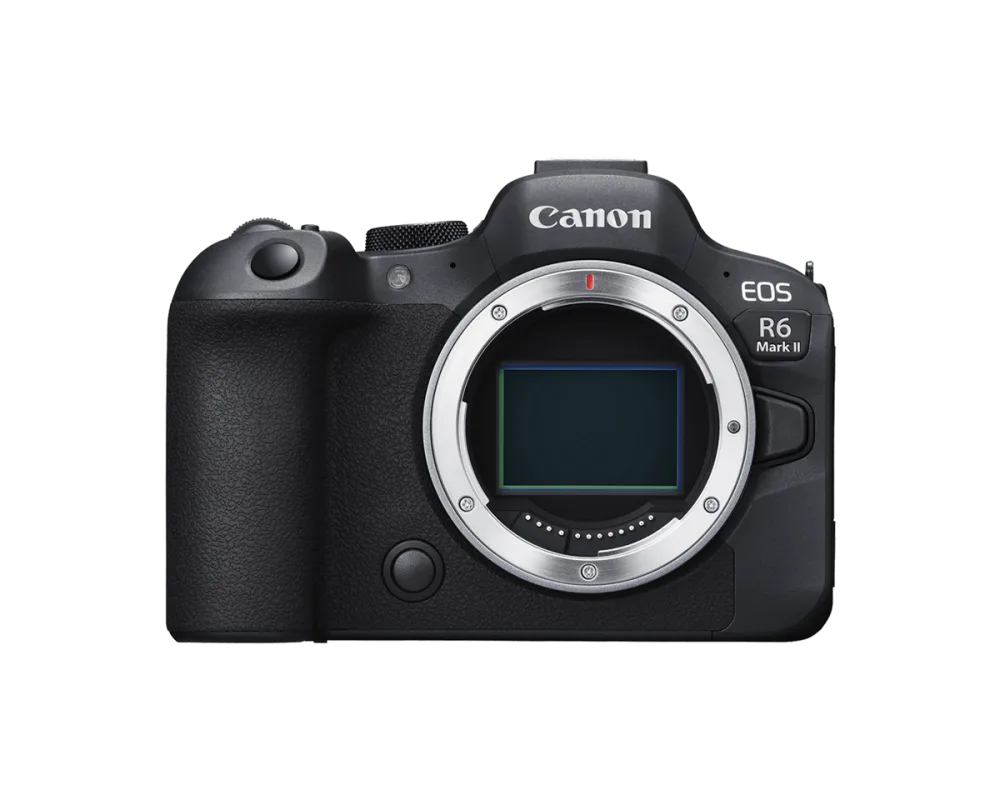 Canon · Full-frame · MirrorlessCanon EOS R6 Mark IIfrom $1,740See price comparison →
If you want the value full-frame route, the Nikon Z5 II is a full-frame mirrorless camera. Its market status may vary, so check current availability and compare carefully against new before committing.
In our catalog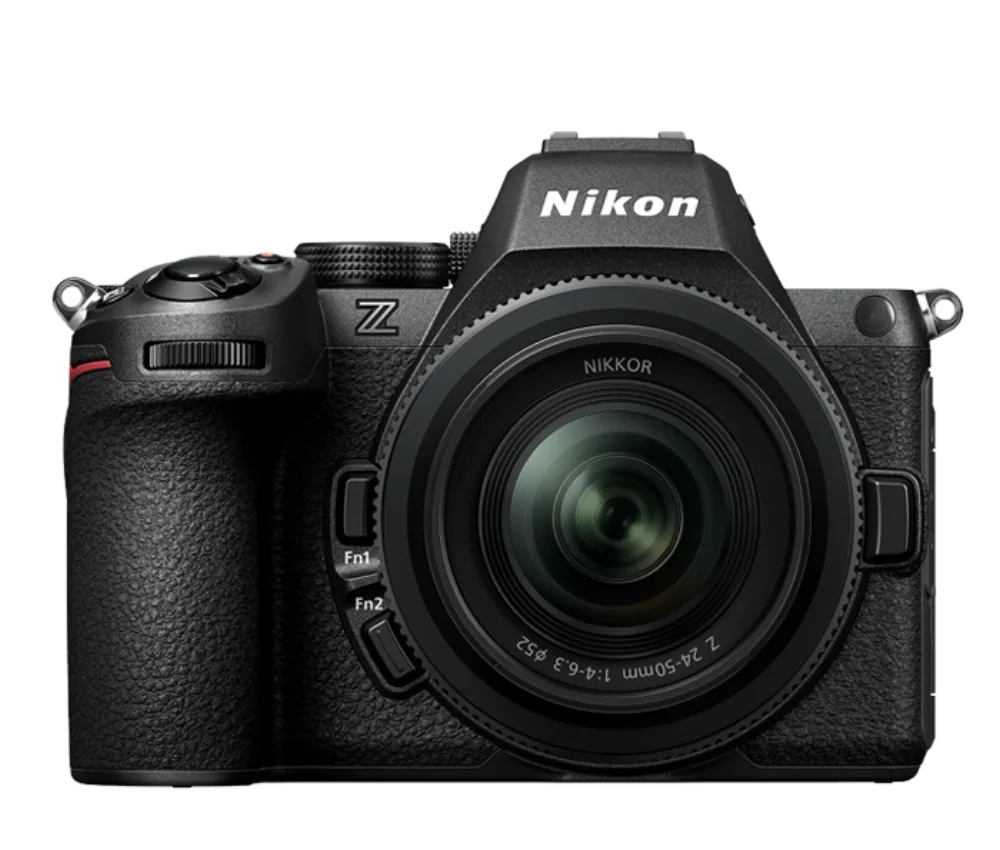 Nikon · Full-frame · MirrorlessNikon Z5 IIfrom $1,500See price comparison →
For APS-C, the Sony a6700 is a strong all-rounder to consider. E-mount is a widely adopted mirrorless system with broad third-party support, which can matter on the used market because service and parts may be easier to find.
In our catalog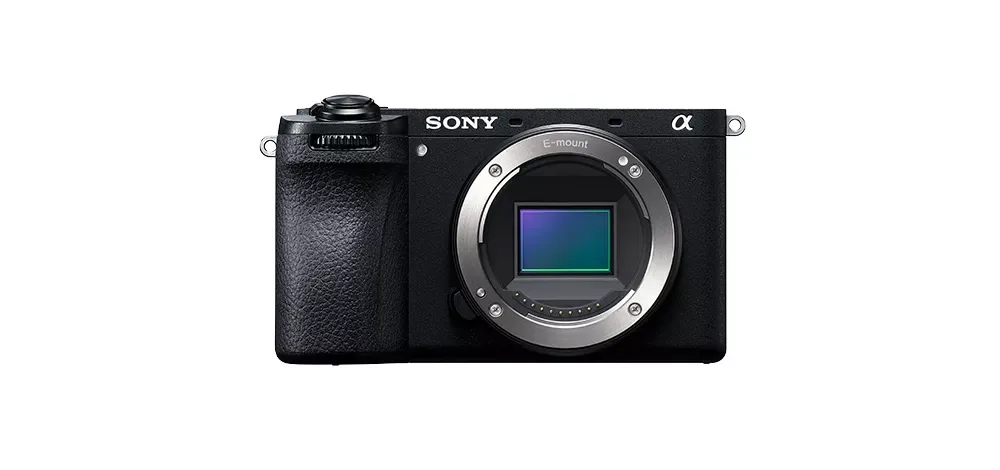 Sony · APS-C · MirrorlessSony a6700from $1,319See price comparison →
If you are just starting out, the Canon EOS R50 is a beginner-friendly option, and used kits can be found. Check the kit lens as carefully as the body.
In our catalog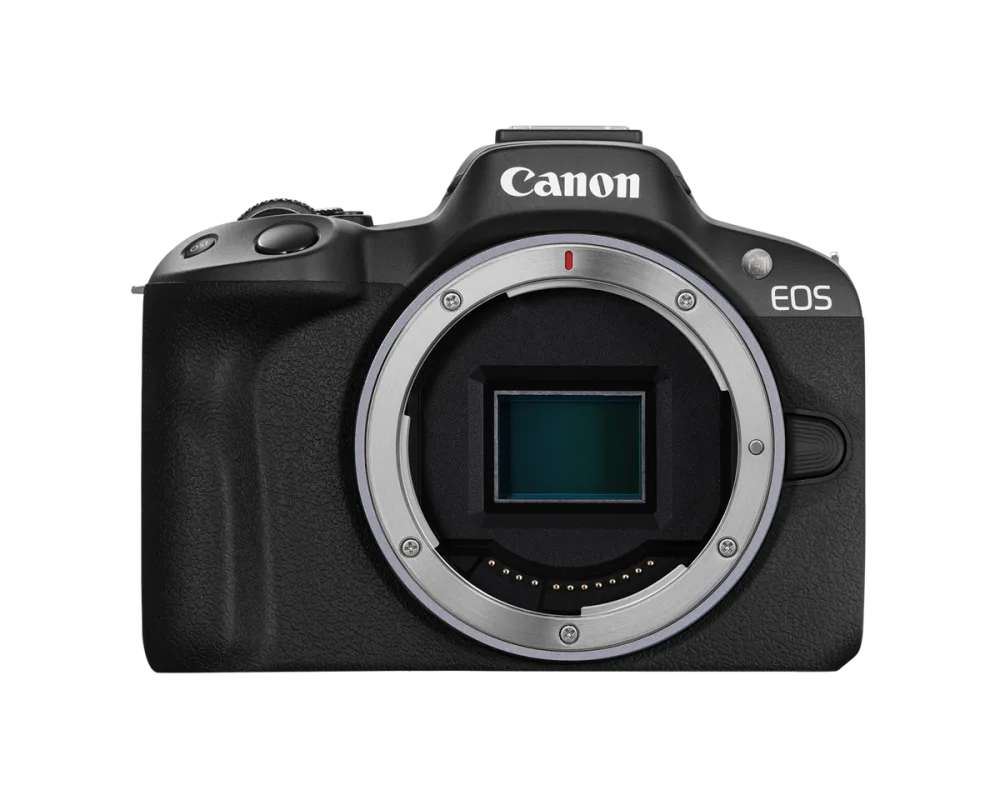 Canon · APS-C · MirrorlessCanon EOS R50from $650See price comparison →
The price honesty part
Used pricing is not a discount you should accept blindly. Know the typical new street price for the model you want, then decide what a fair used number looks like given condition, shutter count, accessories, and remaining warranty. A used body at 15 percent off new is usually not worth the risk. A used body at 30 to 40 percent off, from a seller with a return window, often is.
We track prices across retailers so you can see what new actually costs before you decide used is the better deal. Our price history and drop alerts are being developed to help with this comparison. In the meantime, the rule holds: the price is the price, and we just help you find the best one.
Compare listed prices →
Find the camera worth buying
We compare live listed prices and link you straight to the lowest one. No fake discounts.