Sony a6000 in 2026: Still Worth Buying, or Pay a Little More?
The a6000 is a 2014 camera that people are still shopping for. Here is the honest math on buying one used in 2026, plus the newer Sony bodies that justify the extra money.
The question we hear about the Sony a6000 is usually about value: whether buying one still makes sense today, or whether it is better to spend more on a newer camera. Image quality is part of that, but the decision often comes down to price and features.
The a6000 launched with a 24.3MP APS-C sensor, a built-in electronic viewfinder, and hybrid phase/contrast autofocus that was quick for its era. It is small, it accepts Sony E-mount lenses, and in decent light it still produces respectable files. Its feature set stops at Full HD video rather than 4K, and it relies on lens-based stabilization rather than in-body stabilization; it also lacks current subject-recognition autofocus and the larger NP-FZ100 battery that newer 26MP Sony bodies use. Its screen tilts but does not face forward.
Our honest bottom line, stated as an editorial judgment rather than a measured fact: buy an a6000 only as a cheap used entry into E-mount. A clean body and lens kit at a genuinely low price can be a fine first camera or a backup. Anything close to new-camera money is hard to defend. Used and new asking prices move constantly, so check the live number before you decide. [confirm pricing]
The two paths that decide it
Path one: you want the lowest possible cost of entry and you accept Full HD video, lens-based stabilization only, and the smaller battery. Path two: you want one camera you will still be happy with in five years. The a6000 only wins the first argument.
Best overall successor: Sony a6700
In our catalog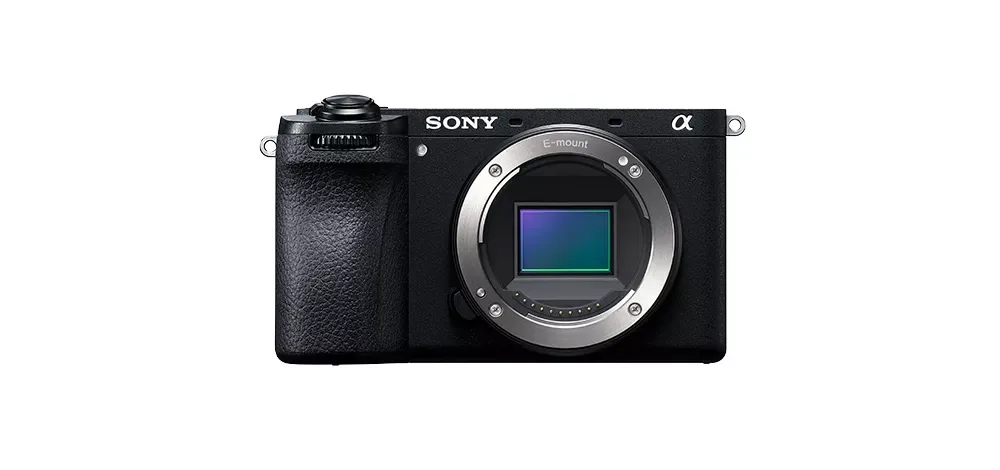 Sony · APS-C · MirrorlessSony a6700from $1,319See price comparison →
This is where we would point most a6000 owners, and it is our pick for one of the strongest current APS-C hybrids. Sony’s a6700 carries a 26MP back-illuminated APS-C sensor, AI-assisted subject recognition, 5-axis in-body stabilization, an electronic viewfinder, 4K/60p, 4K/120p in a cropped mode, 10-bit 4:2:2 recording, S-Log3, and microphone plus headphone ports. It uses Sony’s NP-FZ100 battery. Pricing shifts with promotions, so compare the live price rather than an old MSRP.
Best value for video-first buyers: Sony ZV-E10 II
In our catalog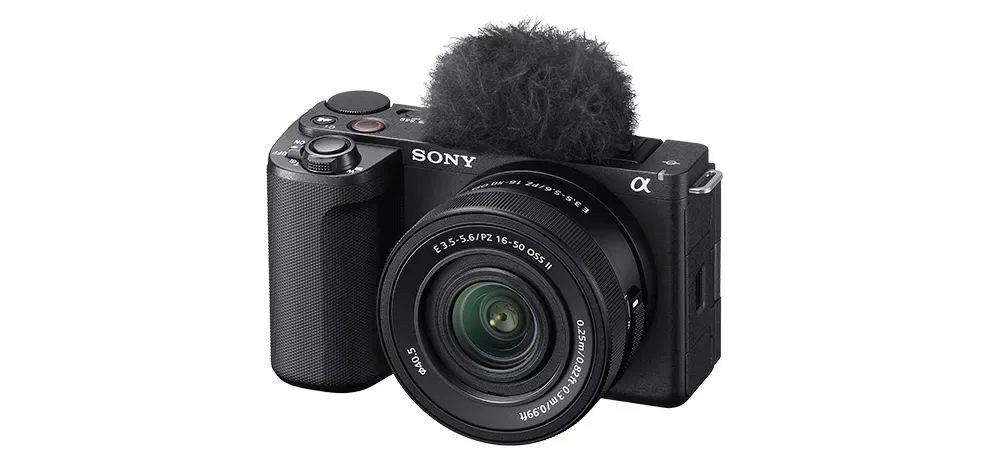 Sony · APS-C · MirrorlessSony ZV-E10 II$1,200See price comparison →
If most of what you shoot is video, the ZV-E10 II is the value argument in Sony’s lineup: 26MP back-illuminated APS-C sensor, fully articulating screen, 4K video recording, internal 10-bit recording, USB-C, microphone and headphone ports, and the NP-FZ100 battery. The tradeoffs are specific: no electronic viewfinder, no mechanical shutter, and stabilization relies on lens-based or electronic modes rather than in-body stabilization. Handheld shooting in bright sun is where that shows up.
Best used value: Sony a6400
In our catalog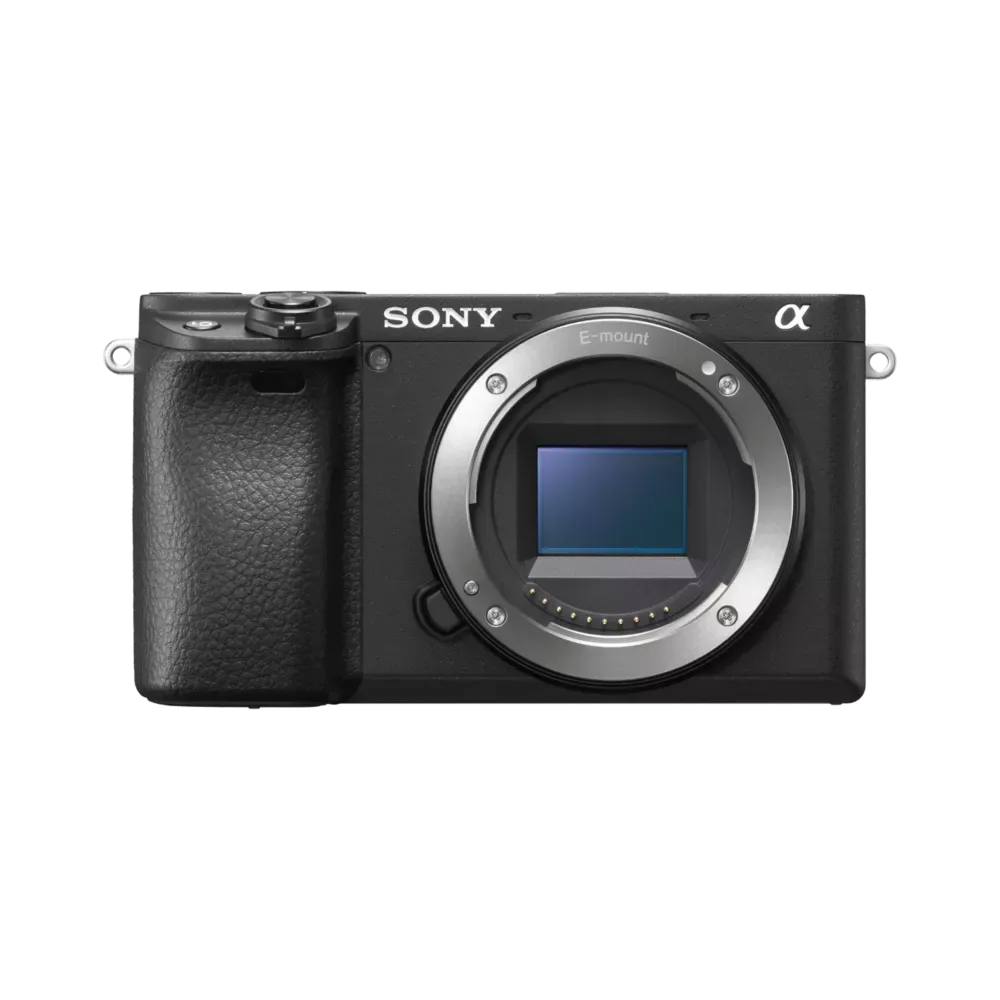 Sony · APS-C · MirrorlessSony a6400from $924See price comparison →
An a6000 with some of the practical gaps addressed, still affordable used: 24MP APS-C, an electronic viewfinder, a mechanical shutter, 4K/30p, and a compact body. It does not offer in-body stabilization, 10-bit internal recording, or 4K/60. For photography-first buyers on a tight budget, this is the used body we would choose over the a6000.
If you want new, with a viewfinder: Canon EOS R50 and EOS R10
In our catalog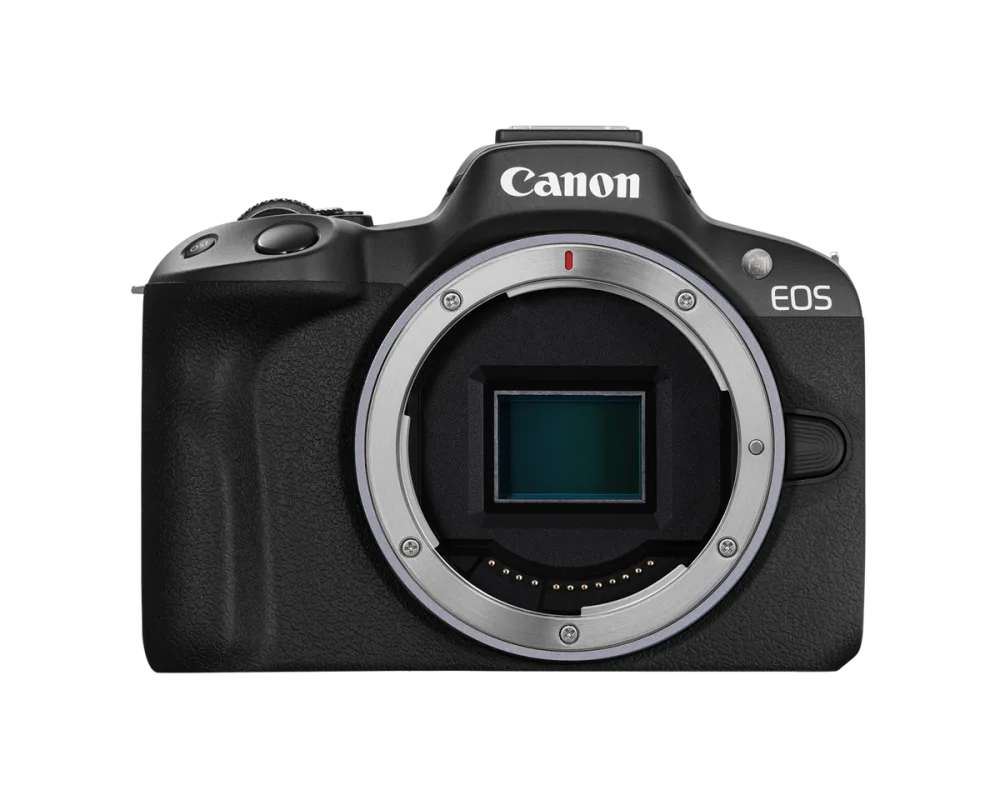 Canon · APS-C · MirrorlessCanon EOS R50from $650See price comparison →
In our catalog
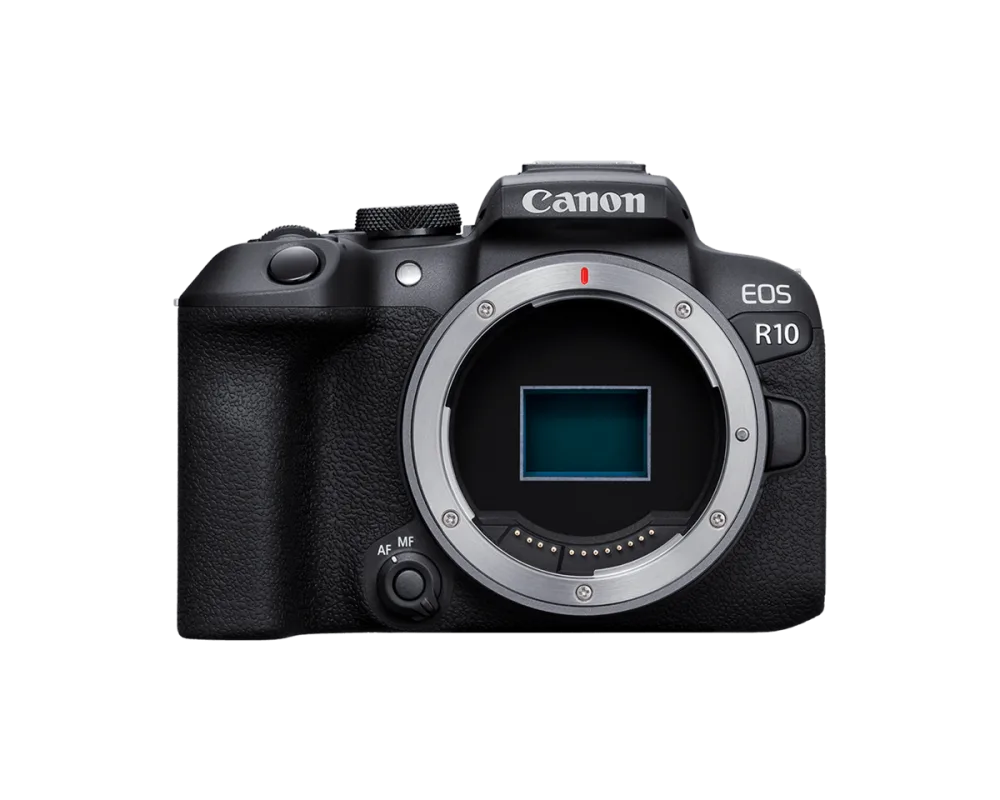 Canon · APS-C · MirrorlessCanon EOS R10from $868See price comparison →
It is worth saying plainly: new cameras with a warranty are an alternative to consider, and sometimes the price difference is smaller than you’d expect. Both of these are APS-C mirrorless with electronic viewfinders. Their pricing varies, so compare live prices. If the whole point of an a6000 is saving money, that comparison is the story.
The tradeoffs, plainly
Sensor size is not the deciding factor at this price. Light, lens quality and autofocus matter more. Crop-sensor bodies are often smaller and cheaper. At the same aperture and framing, they can give more depth of field than full frame, while low-light performance depends heavily on the specific sensor and lens—not sensor size alone. An EVF helps in daylight and for deliberate stills; a forward-facing screen helps for video. And budget for glass: a body is half a system, and a used a6000 with one stabilized zoom beats a newer body with nothing attached.
Price honesty and patience
Ignore invented “was” prices and inflated MSRPs. What matters is the typical street range for the exact body and lens you want, and whether today’s number sits near the bottom of it. New is rarely necessary. The fact that people still ask about the a6000 makes the point: a camera that remains relevant years later says more about how long good gear stays useful than about whether you need the newest body.
We help you compare live pricing across retailers and marketplaces, and point you to the best options we find. That is the job: the price is the price, we just help you find the best one. Some links earn us a commission at no extra cost to you. We are working on price history and comparison tools, so data on older bodies like the a6000 is still filling in. Until then, compare prices and see the best price across retailers.
Find the camera worth buying
We compare live listed prices and link you straight to the lowest one. No fake discounts.