Ricoh GR III vs GR IV
The GR III is discontinued but still listed at Ricoh direct. Here is what the GR IV adds for the extra money, and who should pay for it.
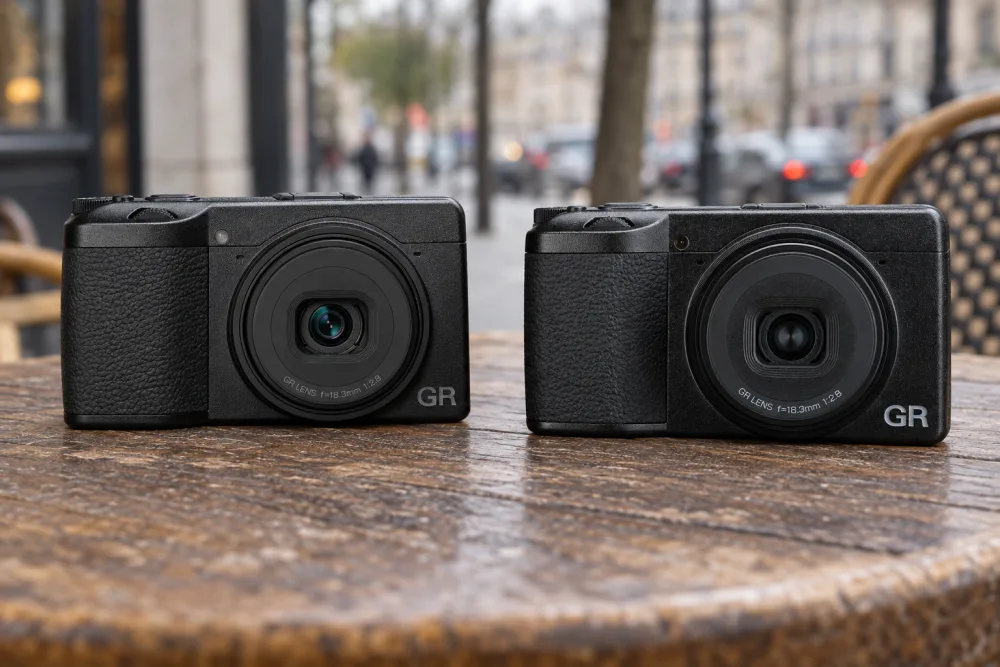
Ricoh GR III vs GR IV is now a choice between a discontinued camera that is still on sale and the model that replaced it. The GR III is the cheaper way into a 28mm GR while Ricoh still lists it, and the GR IV earns its higher price with a 25.7MP sensor, 5-axis stabilization and 53GB of built-in memory.
In our catalog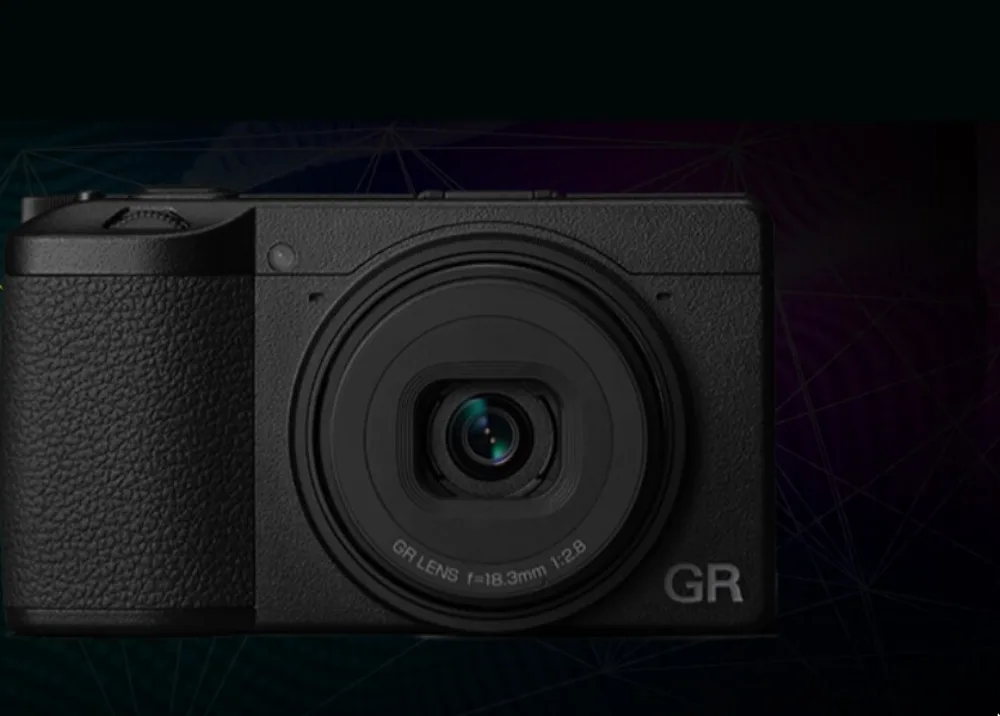 Ricoh · APS-C · CompactRicoh GR IIISee priceSee price comparison →
In our catalog
 Ricoh · APS-C · CompactRicoh GR IVfrom $1,597See price comparison →
What the GR IV changed
The formula is the same: an APS-C sensor behind a fixed 28mm-equivalent f/2.8 lens, in a body sized for a jacket pocket. The changes are inside.
Resolution moves from 24MP to 25.7MP. Stabilization moves to 5-axis sensor shift, where the GR III generation, the GR IIIx included, uses a 3-axis system. And the built-in memory means a forgotten card no longer ends the day.
Image quality differences you will notice
A step from 24MP to 25.7MP is too small to see in a print or on a phone. The difference that shows up is stabilization: the extra axes help at slow shutter speeds indoors and after dark, where a 3-axis body pushes you to a higher ISO sooner.
In daylight on the street, at the shutter speeds most GR owners use, files from the two will be hard to tell apart.
GR III availability: discontinued but still in stock
Our catalog lists the GR III as discontinued and replaced by the GR IV, yet Ricoh direct still sells it new. When that stock runs out you are shopping used, where demand has kept GR III prices firm; our new vs used cameras guide covers what to check.
Waiting on a discontinued camera is a bet on stock, not on a sale.
Ricoh GR III vs GR IV price today
The two cards above show the live price on each. The gap between them is what you pay for the stabilization, the storage and a current model, so the real question is how often you shoot handheld in dim light.
Where the GR IIIx fits
If your hesitation is the focal length, neither of these solves it. The Ricoh GR IIIx uses a 40mm-equivalent lens, tighter and closer to how many people frame portraits, and it is the only 40mm GR in our catalog. We weigh it against a Fujifilm rival in Fujifilm X100VI vs Ricoh GR IIIx.
Which one to buy
Buy the GR III if you want the classic 28mm GR at the lower price, shoot mostly in daylight, and are happy with a model Ricoh has already replaced. Buy the GR IV if you shoot handheld after dark, like having storage built in as a backup, or plan to keep the camera for years.
Skip both if you need a zoom or shoot as much video as stills. A small interchangeable-lens body suits that better, as our fixed-lens compact vs interchangeable-lens guide explains.
The GR III vs GR IV decision comes down to stock or new, and the live prices above show what that choice costs today.
Find the camera worth buying
We compare live listed prices and link you straight to the lowest one. No fake discounts.